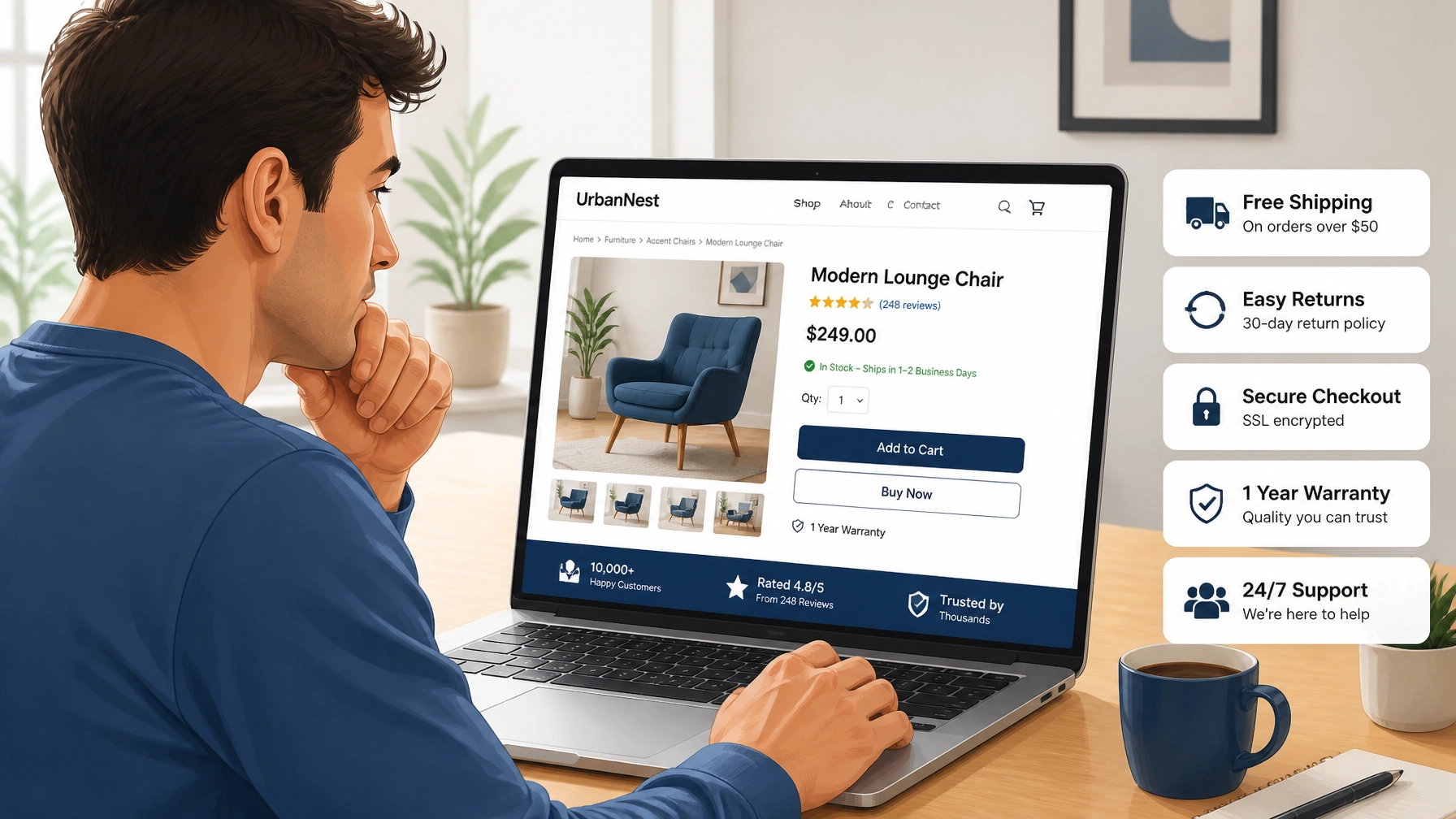
You have the traffic. Your ads are hitting the right personas, your click-through rates are healthy, and your “Add to Cart” numbers look promising. But then, the trail goes cold. Roughly 70% of those interested shoppers vanish before the final click. This isn’t just a technical glitch or a pricing issue; it’s the result of “The Silent Objection.”
The Silent Objection is the unspoken friction that kills a sale when a customer is otherwise ready to buy. It’s that internal “maybe later” or “is this right?” that happens in a split second of hesitation. To solve this, you need to look beyond buttons and colors and dive into the behavioral psychology that governs how modern shoppers decide who to trust with their credit card.
Why Interest Doesn’t Always Equal a Transaction
Most businesses assume that if a customer lands on a product page, the battle is half-won. In reality, every step from the initial click to the “Thank You” page is a minefield of cognitive load. According to recent 2026 data, nearly 48% of shoppers abandon their purchase specifically because of unexpected costs, but those costs are often just the tip of the iceberg.
The deeper issue is often what we call The Hesitation Gap. This is the psychological space between a user’s desire for a product and their certainty about the brand. When a shopper encounters even a minor friction point, like a forced account creation or a vague return policy, their brain instinctively shifts from “I want this” to “Is this a risk?”
“Friction is anything that makes completing the purchase feel costly, effortful, risky, or confusing. In 2026, the stability of abandonment rates suggests that psychology and intent, not just UI design, are the limiting factors for growth.” , Digital Applied Research
By understanding these silent objections, a strategic ecommerce marketing agency can transform a leaky funnel into a high-performance conversion engine.

The Three Pillars of E-commerce Friction
To reduce the “Friction Factor,” you must address three specific areas where shoppers typically lose confidence.
1. Product Clarity: Eliminating the “What If?”
The most common silent objection on a product page is ambiguity. “Will this fit?” “Is the color accurate?” “When will it actually arrive?” If your product page doesn’t answer these questions immediately, the customer won’t go looking for the answers, they’ll just leave.
High-trust brands use conversion optimization services to ensure that clarity is baked into the visual hierarchy. This includes high-resolution, multi-angle photography, video demonstrations, and hyper-specific sizing charts. When you remove the guesswork, you remove the friction.
2. Checkout Confidence: The Micro-Moments of Trust
The checkout process is where the psychological stakes are highest. This is where “Loss Aversion” kicks in. The shopper is about to part with their money, and any sign of unprofessionalism or complexity triggers a flight response.
Forced account creation is a classic friction point, responsible for 24% of abandonments. A Shopify marketing agency typically recommends guest checkout and “one-click” wallet options (like Apple Pay or Shop Pay) to bypass this cognitive hurdle. You are effectively reducing the physical and mental effort required to finish the transaction.
3. The Post-Click Experience: Maintaining Continuity
Friction often starts before the user even reaches your site. If your Google Ad promises a 20% discount but the landing page doesn’t reflect it, you’ve created a “continuity gap.” This disconnect shatters trust instantly. Every touchpoint, from SEO meta-descriptions to social media ads, must align perfectly with the on-site experience to prevent the user from feeling “tricked.”
Mapping the Path to Low Friction
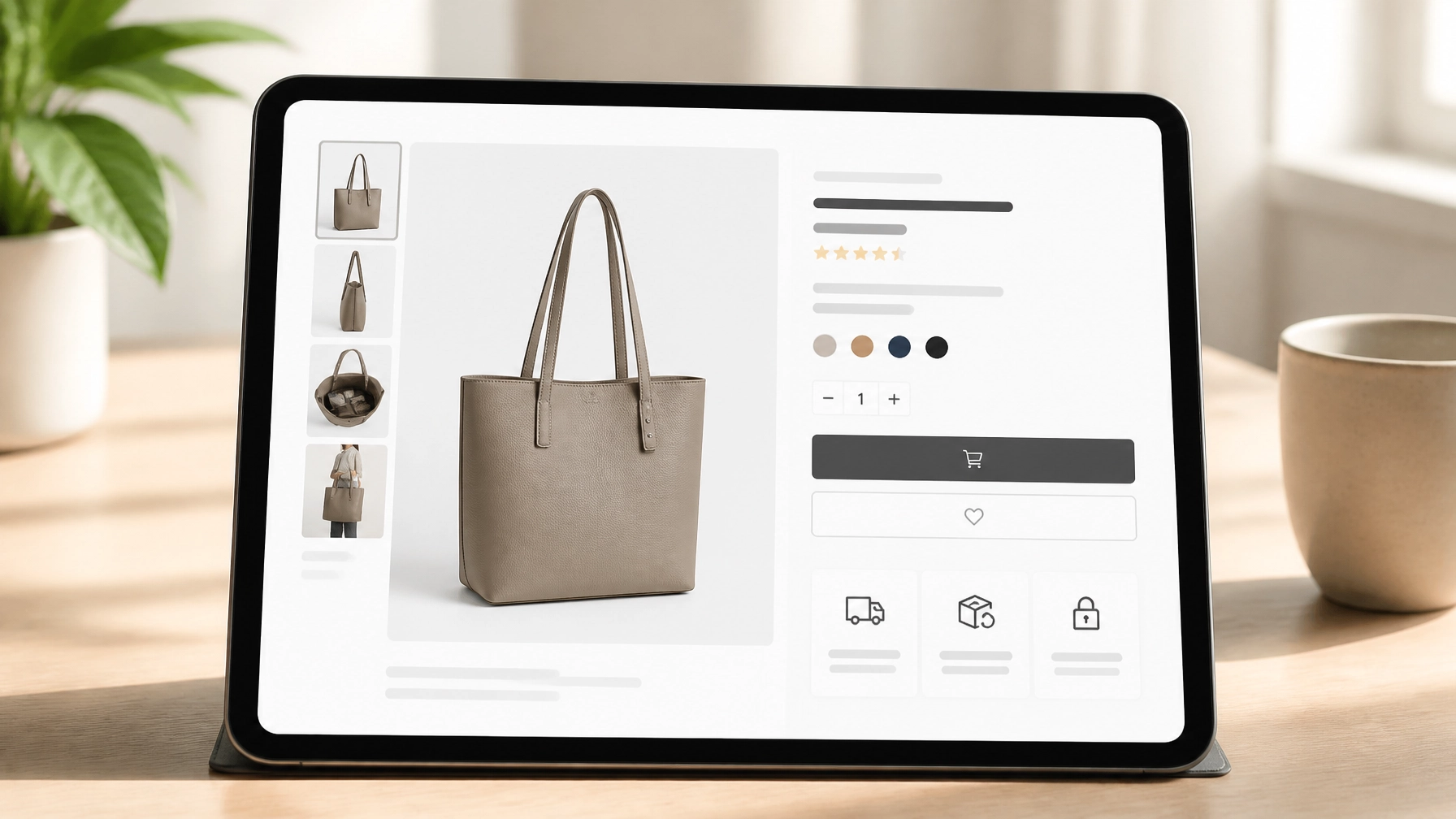
To visualize how these psychological factors impact your bottom line, consider the differences between a high-friction experience and a trust-optimized one:
| Friction Point | High-Friction Scenario (The “No”) | Low-Friction Scenario (The “Yes”) |
|---|---|---|
| Account Creation | Mandatory signup before seeing shipping costs. | Guest checkout with social/wallet login options. |
| Pricing Transparency | Shipping and taxes calculated at the very last step. | “Free Shipping” or estimated costs shown on the product page. |
| Mobile UX | Tiny buttons, long forms, and non-responsive images. | One-tap payments and autofill-enabled forms. |
| Trust Signals | Hidden return policy and no visible reviews. | Visible guarantees and 5-star badges near the “Buy” button. |
| Decision Load | Too many upsells and pop-ups during checkout. | A clean, focused path to purchase with minimal distractions. |
The Role of Strategic Partnership
Solving for the Silent Objection isn’t a one-time fix. It requires ongoing analysis of how users interact with your store. An ecommerce seo agency might bring the traffic, but engineering certainty into the checkout is what converts that traffic into revenue.
Modern consumers are smarter and more skeptical than ever. They can spot “growth hacks” and manipulative urgency from a mile away. True growth comes from building a bridge of trust. When you make the buying process feel like a service rather than a hurdle, you don’t just win a sale, you win a customer for life.

How can I identify the specific friction points on my site?
The best way to identify friction is through a combination of heatmaps, session recordings, and funnel analytics. Look for “rage clicks” or pages where the drop-off rate is significantly higher than the industry average (roughly 70% for checkout). Often, the issue is a technical bug or a confusing form field that you might have overlooked.
Does “Free Shipping” really make that much of a difference?
Yes. 48% of shoppers cite extra costs like shipping as the primary reason for cart abandonment. From a psychological standpoint, shipping costs feel like a “penalty” rather than a value. Rolling the shipping cost into the product price and offering “Free Shipping” is almost always more effective at reducing friction than a lower product price with added fees at the end.
Is forced account creation always bad?
For most e-commerce brands, yes. It creates an immediate barrier to entry. While it might help you collect emails, it costs you sales. Instead of forcing an account upfront, offer the option to “Save your info for next time” on the thank-you page. This allows the customer to convert first and build a relationship with you second.
Why is mobile abandonment higher than desktop?
Mobile abandonment is typically 10-17% higher because the “effort cost” is greater. Typing on a small screen is harder, distractions are more frequent (notifications), and many sites still aren’t fully optimized for “thumb-friendly” navigation. Reducing the number of taps required to buy is the single most effective way to lower mobile friction.
How do reviews impact the Silent Objection?
Reviews act as “social proof,” which is the ultimate antidote to uncertainty. When a shopper sees that others have successfully bought and enjoyed the product, their perceived risk drops significantly. Surfacing reviews right next to the “Add to Cart” button can pre-emptively solve the silent objection of “Will I actually like this?”