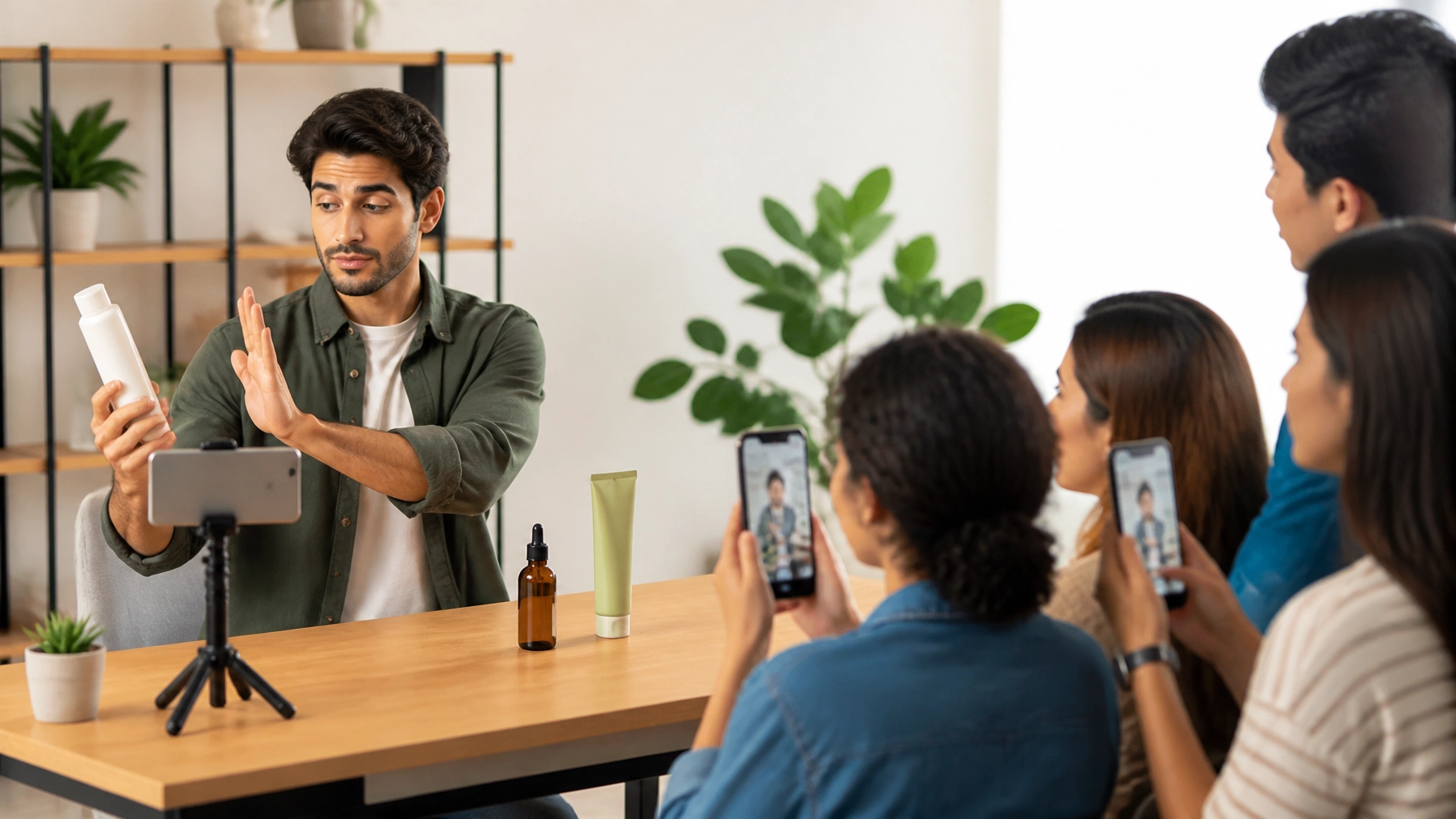
The best brand partnerships don’t look like brand partnerships. That’s the point.
When you scroll through your feed and stop because a creator you’ve followed for years is showing a new workflow or a kitchen hack, you aren’t looking for a “sponsored” tag. You’re looking for value. If they mention a specific tool or ingredient that makes their life easier, you don’t feel marketed to: you feel helped. This is the hallmark of a successful partnership in the modern digital landscape.
For years, many businesses treated influencers like billboards: simply another place to paste an ad. But in 2026, the audience has developed a sophisticated internal filter. They can smell a script from a mile away, and they’ve learned to ignore anything that feels like a forced intrusion. To break through, brands must shift their perspective from “buying reach” to “earning permission.”
The Shift to the Permission Economy
We have entered what we call the Permission Economy. In this environment, creators act as the trusted gatekeepers to niche communities. They have spent years: sometimes a decade: building a relationship with their audience based on consistency and shared values. When a brand enters this space, they aren’t just buying a post; they are borrowing a fraction of that hard-earned trust.
This is fundamentally different from traditional paid advertising. While a Google Ad relies on intent and keywords, a creator partnership relies on a transfer of credibility. If the creator’s audience gives them permission to recommend products, it’s because that creator has proven they won’t lead their followers astray.
Understanding Trust Capital
Think of every creator as having a “trust bank account.” Every time they post helpful, organic, or entertaining content without a commercial motive, they are making a deposit. They are building trust capital.
When they post a partnership, they are making a withdrawal. If the partnership is seamless, high-value, and feels natural, the withdrawal is small. If the partnership feels forced, overly corporate, or “off-brand,” the withdrawal is massive. Smart brands realize that their goal shouldn’t be to maximize their own visibility at any cost, but to minimize the withdrawal from the creator’s trust bank.

The Reality of the “Trust Tax”
When you ask a creator to read a stiff, brand-approved script, you are imposing a “trust tax.” This is the invisible cost paid in audience eye-rolls and decreased engagement. If a creator promotes something that doesn’t align with their usual aesthetic or values, they pay this tax in the form of lost followers or diminished future influence.
Data from 2026 shows that this tax is quantifiable. Research suggests that 61% of consumers trust recommendations from creators more than traditional brand advertising. However, that trust is fragile. Brands that insist on total control often find that their campaigns underperform because they’ve essentially neutralized the very reason they hired the creator in the first place: their authenticity.
“Earned media, such as recommendations from friends and family, remains the most trusted form of advertising, with 92% of consumers worldwide saying they trust these sources above all other forms of advertising.” : Nielsen Global Trust in Advertising Report
By allowing creators to take the lead on the creative direction, you actually lower the trust tax. This requires a level of brand bravery that many companies struggle with, but the results speak for themselves. According to industry surveys, 45% of creators now list “creative lead” as the top factor in choosing a brand partner: even over the compensation level.

Ad Placement vs. Permission-Based Partnerships
The difference between these two approaches is the difference between a one-off transaction and a compounding asset. Here is how they compare across the board:
| Feature | Ad Placement Partnerships | Permission-Based Partnerships |
|---|---|---|
| Brand Role | Directs the script and visual style | Provides the “why” and the product; trusts the creator with the “how” |
| Creator Role | An actor or megaphone for brand copy | A creative collaborator and filter |
| Audience Perception | “This is an interruption” | “This is a recommendation from someone I trust” |
| Long-Term Impact | High churn; “ad blindness” sets in quickly | Compounding brand affinity and trust transfer |
| Success Metric | Reach and Impressions | Conversion and Sentiment |
The Tension Between Control and Authenticity
The most effective partnerships happen when brands cede some control. This is where most businesses get stuck. It’s natural to want to ensure that every talking point is hit and the logo is visible for at least five seconds. But in the world of social media insights, that level of polish is often a “skip” signal to the viewer.
Instead of a detailed script, provide a “vibe board” and a list of problems your product solves. Let the creator translate that into their own language. They know their audience’s jokes, their pain points, and their aesthetic better than any agency ever could.
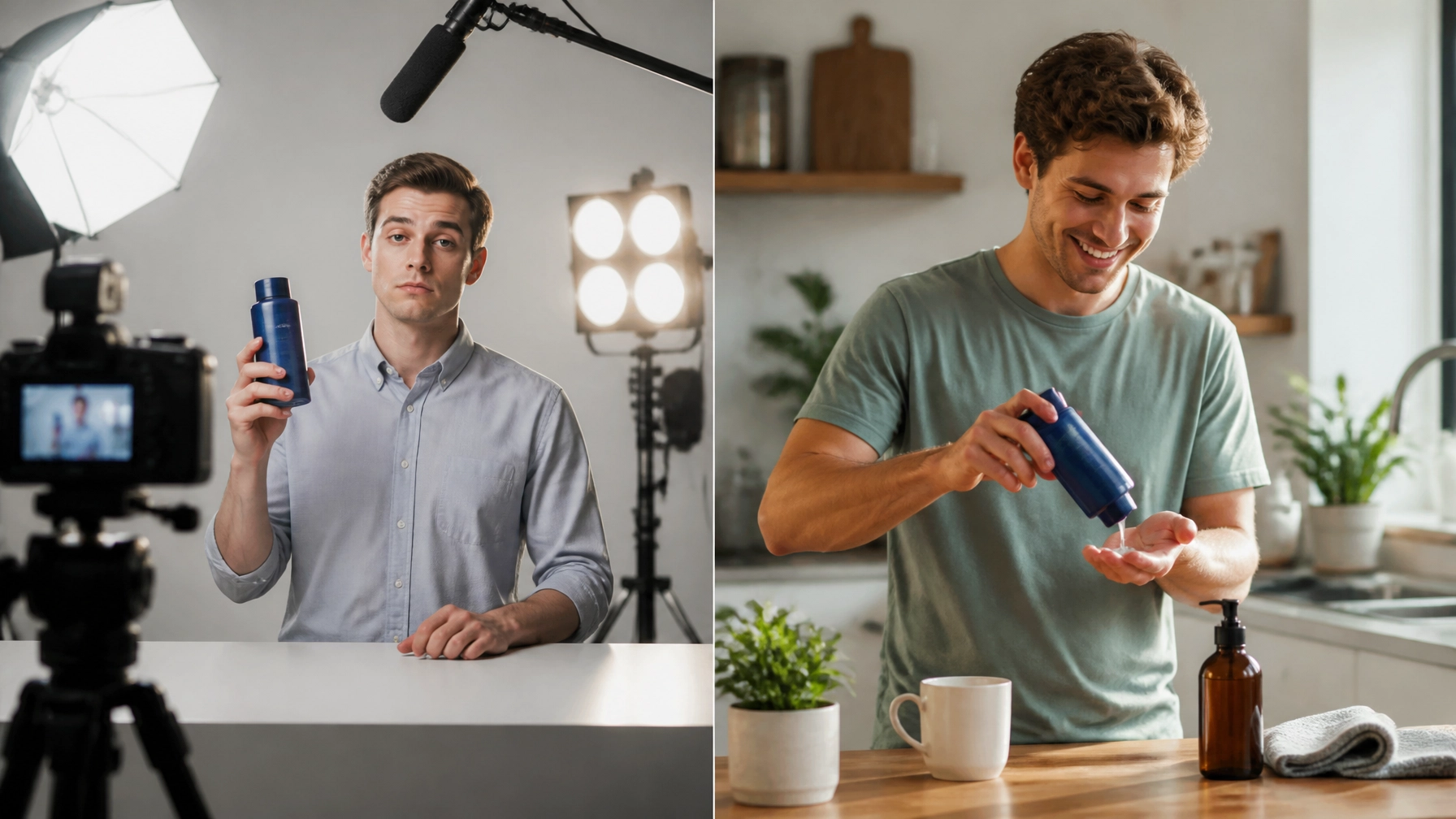
For example, consider a home service brand: perhaps a remodeling contractor: partnering with a local DIY creator.
- The Ad Placement approach: The creator stands in front of a finished kitchen and reads: “Trust Media Remodeling is the best in the city for all your cabinetry needs. Call now.”
- The Permission approach: The creator shows a “wart-and-all” video of a leaky sink or a cramped pantry. They talk about the frustration of the space and then document the process of working with the contractor to fix it. They show the dust, the decisions, and the actual humans doing the work.
The second version doesn’t feel like an ad. It feels like a story. Because the creator had permission to show the “messy middle,” the final recommendation feels earned.
Building Modern Brand Influence
To thrive in the Permission Economy, you have to treat creators as part of your marketing advisory team rather than just a distribution channel. This means moving away from “influencer hunting” based on follower counts and moving toward “credibility vetting.”
We often see brands choose a creator with 100,000 followers over one with 10,000, even if the smaller creator has ten times the engagement and a much tighter niche. In 2026, reach is cheap; trust is the only currency that actually converts. By focusing on alignment and authenticity, you ensure that your brand isn’t just seen: it’s believed.

As you refine your website strategy and overall growth plan, remember that the most powerful marketing doesn’t scream for attention. It earns the right to be heard through a trusted intermediary. When you stop trying to control the message and start focusing on the relationship, you’ll find that the “permission” you’ve been seeking was there all along: you just had to trust the creator to unlock it.
Why shouldn’t I just use creators with the biggest follower counts?
Follower counts are a vanity metric that can be easily manipulated. A large following doesn’t guarantee a relationship. In many cases, “macro” influencers have such broad audiences that their recommendations feel generic. “Micro” or “nano” creators often have a much higher “trust-per-follower” ratio because their community feels like a real conversation.
How much creative control should I actually give up?
You should maintain control over the “non-negotiables”: legal disclosures, factual accuracy about your product, and core brand values. However, you should give the creator 100% control over the “delivery.” If they say a certain joke or camera angle won’t work with their audience, believe them. They are the experts on their own community.
How do I know if a creator’s audience actually trusts them?
Look at the comments. Are people asking questions? Are they sharing their own experiences related to the creator’s content? A healthy community has a high level of two-way engagement. If the comments are just emojis or generic “great post” remarks, it’s a sign the relationship might be shallow.
Is influencer marketing only for B2C and e-commerce brands?
Not at all. B2B influencer marketing is one of the fastest-growing sectors in 2026. In professional services or manufacturing, people trust peer-level experts and industry thought leaders. A recommendation from a respected engineer or a successful contractor can carry more weight than any corporate whitepaper.
What is a “trust tax” and how do I calculate it?
The trust tax isn’t a line item on an invoice; it’s the dip in engagement and sentiment you see when a partnership feels forced. You can “calculate” it by comparing the engagement rate of a sponsored post to the creator’s organic average. If there is a massive drop, you paid a high trust tax.