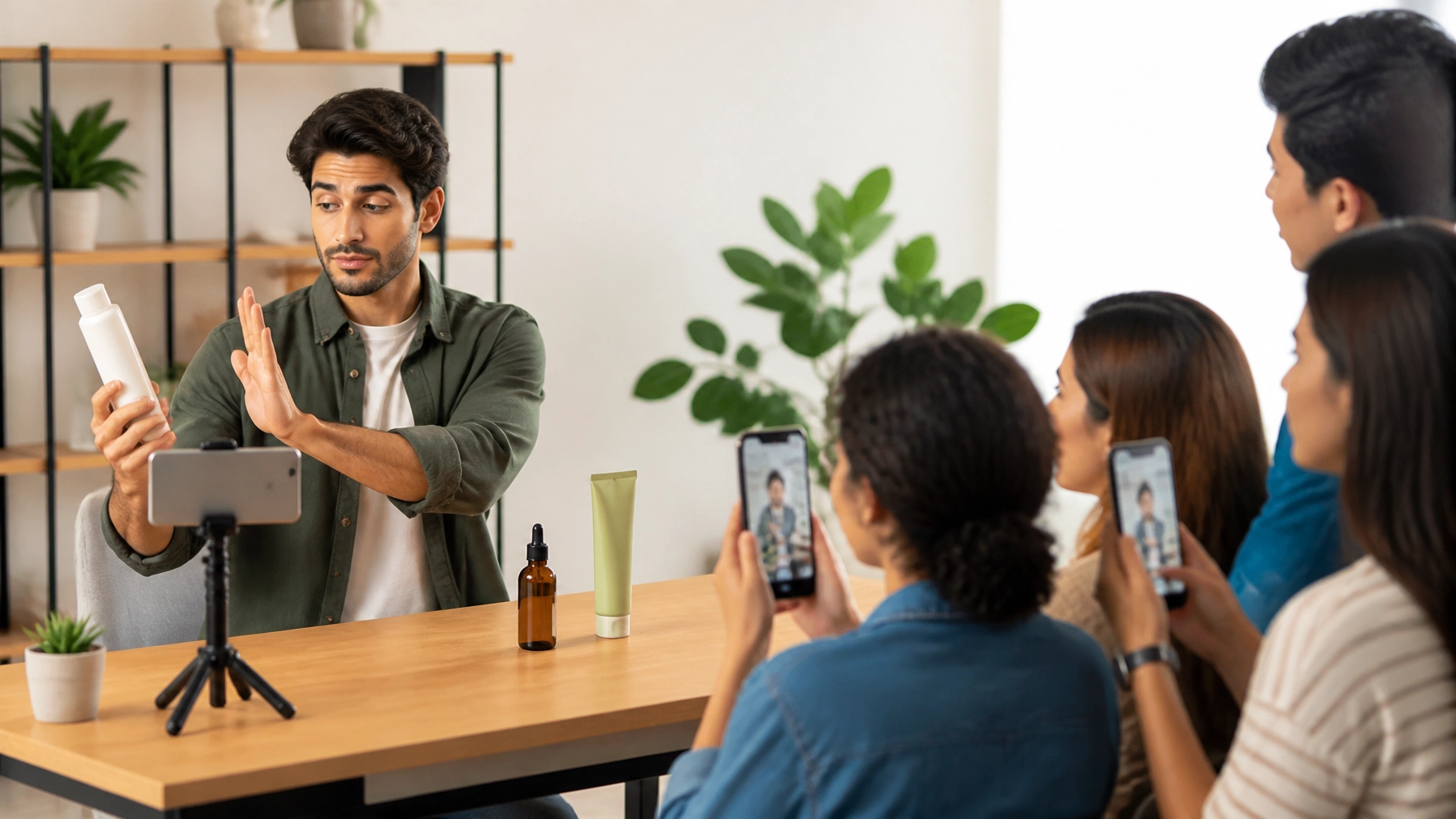
Most local businesses still think influencer marketing is only for beauty brands and fashion retailers. They see massive Instagram accounts with hundreds of thousands of followers and assume it’s out of reach: or worse, irrelevant to their HVAC company or dental practice.
That’s exactly the wrong lens.
Micro-influencers: creators with 1,000 to 100,000 followers: deliver disproportionate value for local service businesses. They combine affordable costs with authentic community connections that generate both trust and measurable traffic. Unlike traditional advertising, they tap into established relationships that money alone cannot create.
When a local fitness instructor with 8,000 followers recommends your chiropractic clinic, or a neighborhood food blogger posts about your restaurant, something powerful happens. Their audience doesn’t see an ad. They see trusted advice from someone who lives in their community and shares their values.
That’s the micro-influencer advantage.
Why Micro-Influencers Build Trust Faster Than Traditional Advertising
Traditional marketing interrupts. Influencer marketing joins conversations already happening.

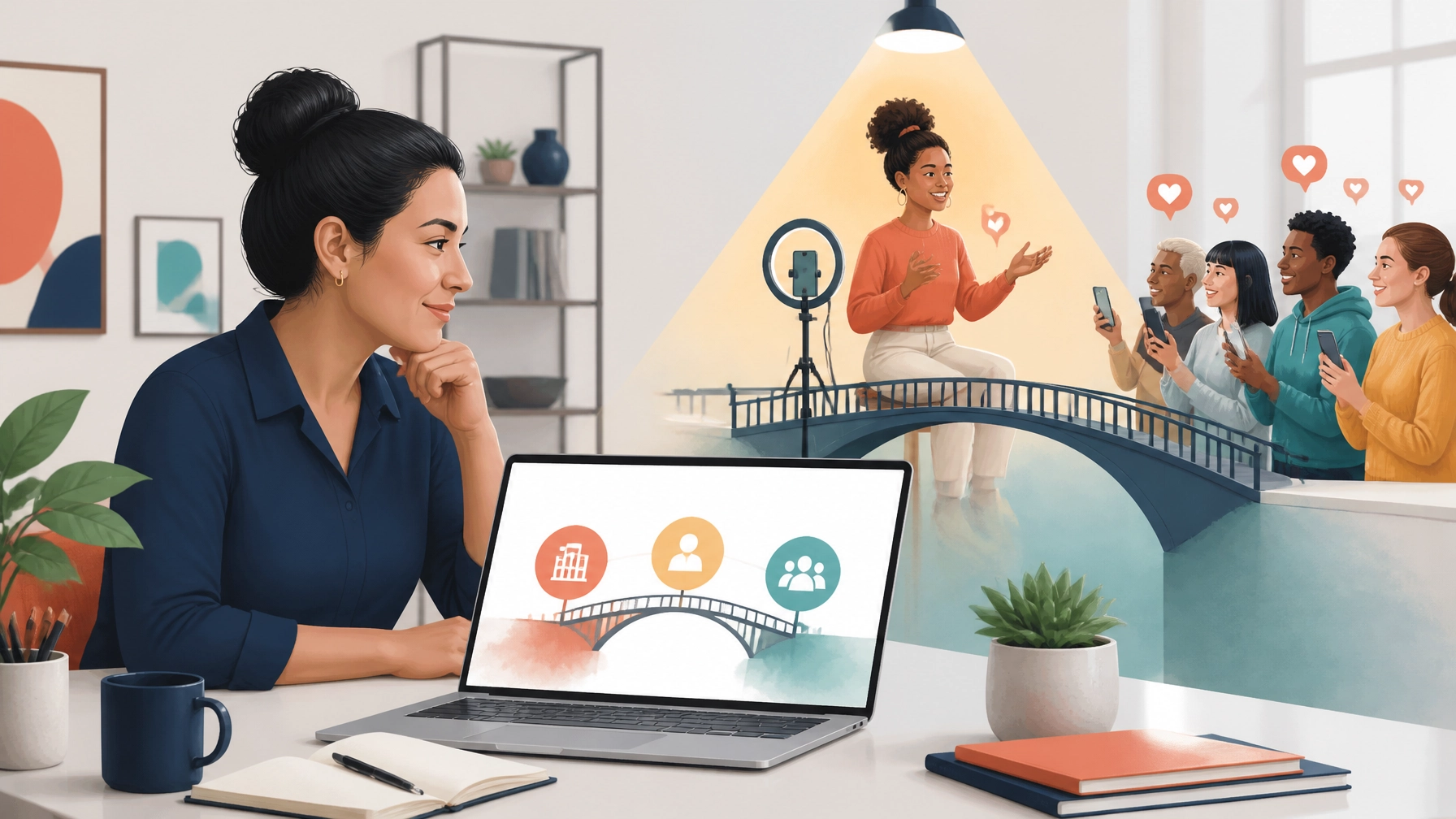
Micro-influencers develop tight-knit communities where followers view recommendations as personal endorsements rather than advertisements. Their smaller, engaged audiences perceive them as trusted voices within their communities, making their advocacy feel genuine. When local businesses partner with these creators, they effectively “join” communities where trust has already been cultivated, rather than starting from scratch.
This trust is particularly powerful because micro-influencers often specialize in specific niches or geographies. A food blogger recommending a local café or a fitness influencer promoting a wellness studio feels like advice from a knowledgeable peer, not a paid promotion.
“Micro-influencers generate up to 60% more engagement than their more prominent counterparts, translating directly to action and conversions for local businesses.” : Social Media Today, 2025
The endorsement provides social proof that helps potential customers view your business as credible before they even visit your website. That’s why a single post from a trusted local voice can drive more qualified leads than weeks of generic Facebook ads.
The Local Business Categories That Benefit Most
Micro-influencer partnerships work across nearly every local service category. Here’s where we see the strongest ROI:
| Business Type | Ideal Micro-Influencer | Expected Impact |
|---|---|---|
| Restaurants & Cafés | Local food bloggers, lifestyle creators | Foot traffic increases 20-40% during campaign weeks |
| Medical Practices | Wellness advocates, parenting influencers | Appointment bookings from referred patients |
| HVAC/Home Services | DIY home improvement creators, real estate agents | Lead quality improves; higher close rates |
| Fitness Studios | Local fitness enthusiasts, health coaches | Class sign-ups and membership conversions |
| Legal Services | Community advocates, business owners | Consultation requests from pre-qualified leads |
The pattern is consistent: businesses that rely on local reputation and word-of-mouth naturally amplify results when partnering with creators embedded in those same communities.

How Micro-Influencers Drive Traffic to Physical Locations
The geo-targeting advantage of micro-influencers is massive for brick-and-mortar businesses. Unlike broad digital campaigns that might reach thousands of people across a state or region, micro-influencers deliver highly concentrated awareness among people who actually live near your business.
A wellness influencer with 5,000 followers in your metro area can drive more foot traffic to your chiropractic clinic than a billboard on the highway. Why? Because their audience is already engaged, mobile-first, and geographically relevant. When they post about your business, followers can visit that same day.
This matters for local service businesses in three specific ways:
Event amplification: Partnering with local creators to promote open houses, seasonal promotions, or community events creates immediate attendance spikes. A contractor hosting a home improvement workshop promoted by three micro-influencers will fill the room faster than traditional event marketing.
Review generation: Micro-influencers naturally encourage their followers to share their own experiences. One influencer visit to your restaurant or medical practice often triggers multiple customer reviews across Google and Facebook, compounding your local SEO strategy.
Sustained awareness: Unlike one-off ad campaigns that end when budgets run out, influencer partnerships create content that continues to deliver value. Posts remain visible in feeds, stories get saved, and video content gets shared: all extending the lifespan of your investment.
The Cost Structure That Makes This Accessible
Here’s the financial reality that surprises most local business owners: micro-influencers are affordable.
While celebrity endorsements or macro-influencers command five-figure fees per post, micro-influencers often accept free products, services, or modest fees ranging from $100 to $500 per piece of content. For service businesses, this translates to comp services: a free HVAC tune-up, complimentary dental cleaning, or discounted legal consultation.
This allows you to allocate budgets strategically. Instead of one expensive celebrity endorser, you can partner with multiple micro-influencers, diversifying your reach while maintaining quality ROI. Despite lower costs, micro-influencers often deliver higher return on investment because of their strong influence within specific niches.
Let’s break down a realistic budget scenario for a local contractor:
| Budget Allocation | Traditional Approach | Micro-Influencer Approach |
|---|---|---|
| Monthly Budget | $2,000 | $2,000 |
| Facebook/Google Ads | $2,000 (broad targeting) | $800 (retargeting only) |
| Influencer Partnerships | $0 | $1,200 (3-4 local creators) |
| Expected Leads | 15-25 cold leads | 20-35 warm, qualified leads |
| Close Rate | 8-12% | 18-25% |
The math shifts dramatically. Warmer leads from trusted referrals close at higher rates, reducing your overall customer acquisition cost while improving lead quality.

How to Identify the Right Micro-Influencers for Your Business
Not every local creator is the right fit. The goal isn’t follower count: it’s audience alignment and engagement authenticity.
Start by researching creators who already talk about topics adjacent to your business. If you run a medical practice, look for wellness advocates, parenting influencers, or health-focused lifestyle creators in your area. For contractors, home improvement enthusiasts and real estate agents make natural partners.
Here’s the vetting process that consistently identifies high-value partnerships:
Check engagement rates: Divide total engagement (likes + comments) by follower count. Anything above 3-5% signals an active, responsive audience. Micro-influencers with 5,000 highly engaged followers outperform accounts with 50,000 passive ones.
Review content quality and tone: Does their content align with your brand values? Are they professional without being overly polished? Authentic, relatable creators build stronger connections than influencers who feel like walking advertisements.
Analyze audience demographics: Most creators can provide insights into their follower locations, age ranges, and interests. If 70% of their audience lives within 15 miles of your business, that’s a strong geographic match.
Assess past partnerships: Look at how they’ve promoted other local businesses. Do their posts feel forced, or do they naturally integrate recommendations into storytelling? The best micro-influencers make endorsements feel like discoveries, not sales pitches.
Once you’ve identified 5-10 potential partners, prioritize those who already engage with businesses similar to yours. A food blogger who regularly features local restaurants will know how to promote your café authentically.
Structuring Partnerships That Deliver Results
The mechanics of a successful influencer partnership are surprisingly straightforward, but the details matter.
Most effective campaigns involve three core components:
Content creation: The influencer visits your business, experiences your service, and creates authentic content: typically Instagram posts, Stories, Reels, or TikTok videos. The key is giving them creative freedom while ensuring they highlight specific offerings or promotions you want to emphasize.
Promo codes and trackable links: Provide unique discount codes or custom URLs that allow you to measure conversions directly. This isn’t just about tracking ROI: it gives the influencer’s audience an incentive to act immediately. Similar to how SMS campaigns drive action through exclusive offers, influencer codes create urgency.
Multi-platform distribution: Don’t limit partnerships to Instagram alone. Encourage creators to share across TikTok, Facebook, YouTube, and even email newsletters if they have subscriber lists. Cross-platform presence compounds reach without additional cost.
For service businesses, consider offering an initial complimentary service in exchange for honest content. A dental practice might provide a free teeth whitening; an HVAC company could offer a system inspection. This removes financial barriers and allows influencers to genuinely experience your service quality.
Document partnership terms clearly: expected deliverables, posting timelines, disclosure requirements (FTC compliance), and usage rights for repurposing content. Most micro-influencers appreciate transparent, professional agreements that outline mutual expectations.
Amplifying Influencer Content Across Your Own Channels
The value of influencer partnerships extends far beyond their initial posts. Smart local businesses repurpose that content to multiply impact.
Once an influencer posts about your business, you gain user-generated content that carries more credibility than anything you create in-house. Reshare their posts to your business Instagram and Facebook pages. Feature their reviews on your website homepage. Include their testimonials in email campaigns.
This strategy works because third-party validation always outperforms self-promotion. When potential customers visit your website and see real people: not stock photos: endorsing your services, conversion rates improve measurably. Just as website UX tweaks reduce friction in the customer journey, authentic social proof removes skepticism.
You can also use influencer content in paid advertising. Boosting an influencer’s post as a Facebook ad often delivers better engagement than traditional branded ads because audiences perceive it as a peer recommendation rather than corporate messaging.
Ask influencers for permission to use their content in additional marketing materials. Most are happy to agree, especially if you credit them and tag their profiles: it extends their reach too.
Measuring ROI and Adjusting Strategy
You can’t improve what you don’t measure. Tracking influencer partnerships requires both quantitative metrics and qualitative feedback.
Start with basic performance indicators:
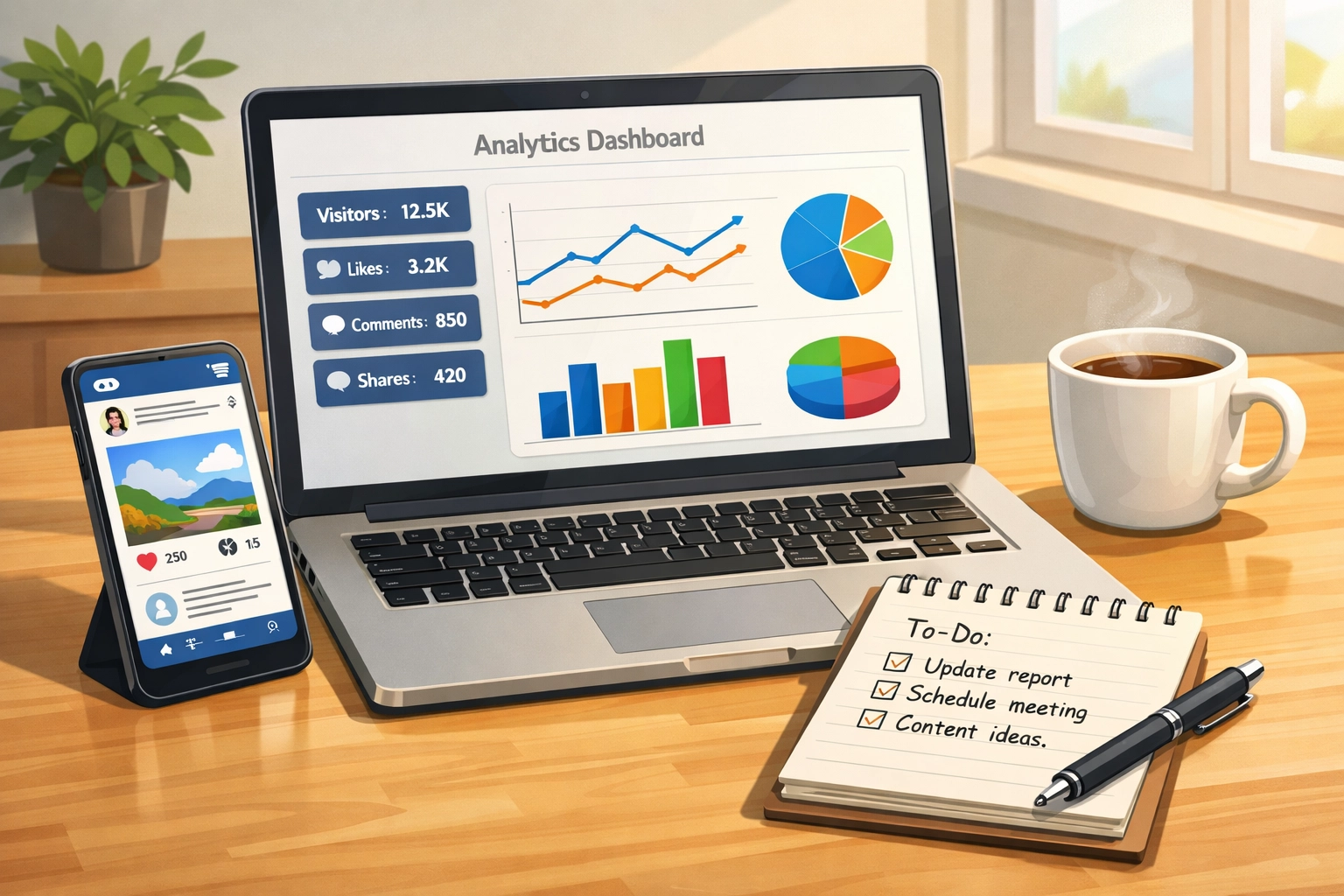
- Engagement metrics: Track likes, comments, shares, and saves on influencer posts
- Traffic spikes: Monitor website visits and Google Business Profile views during campaign periods
- Promo code redemptions: Count how many customers use influencer-specific discount codes
- Lead source tracking: Ask new customers how they heard about you during intake or checkout
These data points reveal which partnerships drive tangible results versus vanity metrics. An influencer with 10,000 followers who generates five qualified leads outperforms one with 50,000 followers who generates none.
Qualitative feedback matters too. Are customers mentioning they saw you on a specific influencer’s page? Are they arriving already familiar with your services, or do they need extensive education? Warmer leads indicate effective influencer alignment.
Adjust your strategy based on performance. If certain types of content (Reels vs. static posts) drive more action, prioritize those formats in future partnerships. If specific influencers consistently deliver results, deepen those relationships with recurring campaigns rather than one-off collaborations.
Building Long-Term Relationships, Not One-Off Campaigns
The most successful local businesses treat micro-influencers as ongoing partners, not transactional vendors.
Recurring partnerships compound results because audiences see consistent endorsements over time, reinforcing trust and familiarity. A wellness influencer who mentions your chiropractic clinic once plants a seed; mentioning it quarterly throughout the year creates sustained awareness that converts when followers need your services.
Long-term relationships also improve content quality. As influencers become more familiar with your business, their endorsements grow more authentic and detailed. They learn what resonates with their audience and refine messaging organically.
Consider establishing an ambassador program where 3-5 micro-influencers receive ongoing benefits: monthly service credits, exclusive access to new offerings, or small retainer fees: in exchange for regular content. This creates a consistent content pipeline while building genuine advocacy.
Treat your influencer partners like valued clients. Respond to their posts, engage with their content, and support their own growth. Reciprocal relationships feel less transactional and produce more enthusiastic, authentic promotions.

Common Mistakes Local Businesses Make With Influencer Marketing
Even straightforward strategies have pitfalls. Here are the mistakes that undermine otherwise solid partnerships:
Choosing followers over engagement: A creator with 20,000 followers and 100 likes per post is less valuable than one with 5,000 followers and 400 likes per post. Prioritize engagement rates and audience authenticity over vanity metrics.
Over-controlling content: Micro-influencers know their audiences better than you do. Provide brand guidelines and key messages, but allow creative freedom. Overly scripted content feels inauthentic and performs poorly.
Ignoring FTC disclosure requirements: Influencers must clearly disclose paid partnerships or gifted services. Non-compliance risks legal issues and damages credibility. Ensure every partnership includes proper hashtags (#ad, #sponsored, #partner).
Failing to provide value: Don’t waste an influencer’s time with subpar service or half-hearted hospitality. If they have a mediocre experience, no amount of compensation will generate authentic enthusiasm. Deliver exceptional service and let genuine reactions drive content quality.
Neglecting follow-up: After an influencer posts, engage with their content immediately. Comment, share, and thank them publicly. This reinforces the relationship and encourages future collaborations.
Integrating Influencer Marketing Into Your Broader Strategy
Micro-influencer partnerships don’t exist in isolation: they amplify every other marketing channel you’re running.
Combine influencer content with your email marketing campaigns. Feature influencer testimonials in newsletters to boost credibility and click-through rates. Use influencer-generated imagery in your website redesigns to create authentic, relatable branding.
Leverage influencer partnerships to support local SEO efforts. When influencers tag your Google Business Profile and encourage followers to leave reviews, you gain both citations and behavioral signals that improve Maps rankings. This synergy between social proof and search visibility compounds results.
Integrate influencer campaigns with your paid advertising strategy. Retarget website visitors who arrived via influencer traffic with specific offers. Use lookalike audiences based on influencer followers to expand reach to similar demographics.
The businesses seeing the strongest results treat influencer marketing as connective tissue: it enhances SEO, improves conversion rates, generates content, and builds brand awareness simultaneously.
How much should a local business budget monthly for micro-influencer partnerships?
Start with $500-$1,500 per month, depending on your market size and goals. This typically covers 2-4 micro-influencer partnerships monthly, including a mix of complimentary services and modest fees. As you identify high-performing creators, you can scale budget allocation toward those relationships while testing new partners with smaller investments.
How do I approach a micro-influencer for the first time?
Send a direct message or email that’s personal and specific. Reference content they’ve created that resonates with you, explain why your business aligns with their audience, and propose a clear collaboration: complimentary service in exchange for honest content. Avoid generic copy-paste messages. Authenticity matters when initiating partnerships.
What if an influencer posts negative feedback about my business?
Treat it as valuable feedback, not a crisis. Respond professionally and publicly, acknowledging their concerns and explaining steps you’re taking to improve. Transparency and accountability often convert negative situations into positive brand moments. Most audiences respect businesses that handle criticism gracefully.
How long does it take to see results from influencer partnerships?
Expect immediate engagement (likes, comments, profile visits) within 24-48 hours of posting. Lead generation and conversions typically surface within 1-2 weeks as audiences take action. Long-term brand awareness builds over 3-6 months of consistent partnerships, particularly if you work with the same influencers repeatedly.
Can influencer marketing work for B2B service businesses like commercial contractors or legal firms?
Absolutely. The strategy shifts slightly: target micro-influencers who serve business audiences, such as local business owners, real estate investors, or industry-specific advocates. A commercial roofing company might partner with a real estate investor who documents property renovations on YouTube. The mechanics remain the same; audience targeting becomes more specialized.
Should I require influencers to meet specific follower count thresholds?
No. Engagement rate and audience alignment matter far more than follower count. A creator with 2,000 highly engaged local followers can outperform one with 15,000 passive followers from outside your service area. Focus on quality of audience, not quantity of followers.