

You’ve likely seen it in your own inbox. A brand you once liked sends three “FLASH SALE” emails in 48 hours. By the fourth notification, you don’t even open it; you simply swipe left and hit delete. Or worse, you unsubscribe. This is the “ghosting” of the digital age, and for most local service businesses: from HVAC contractors to dental practices: it represents a massive leak in the bucket of potential revenue.
When most business owners think of email marketing, they think of it as a megaphone. They use it to broadcast the loudest message possible to the largest audience they can find. But the true power of email isn’t in the shout; it’s in the whisper. It’s not a promotion channel; it is a retention engine.
At TrustMedia, we’ve seen that the highest-performing campaigns aren’t the ones with the flashiest graphics or the deepest discounts. They are the ones that understand the long tail of trust: the cumulative effect of being consistently helpful, perfectly timed, and deeply relevant.
The Psychology of the Inbox: Why We Open (and Why We Don’t)
Your customer’s inbox is one of the last few private digital spaces they have left. Unlike a social media feed, which is a public square of noise, the inbox is a personal to-do list. When a customer gives you their email address, they aren’t just giving you a data point; they are giving you a key to their home.
The mistake most businesses make is treating that key as an invitation to rearrange the furniture and sell them a new sofa. Instead, you should be using that access to provide value that makes their lives easier.
Psychologically, email works best when it taps into emotional loyalty rather than just incentive loyalty. Incentive loyalty is fragile; it lasts only as long as your discount is better than your competitor’s. Emotional loyalty, however, is resilient. It’s built on the “Self-Relevance Bias”: the tendency for people to pay attention to things that directly reflect their own status, needs, or history.
If you are a local contractor, an email about “10% off roofing” is an incentive. An email titled “3 Signs Your Roof Won’t Survive This Winter” (sent in October) is a utility. One is a pitch; the other is a partnership.
The Math of Retention: Why 5% Matters
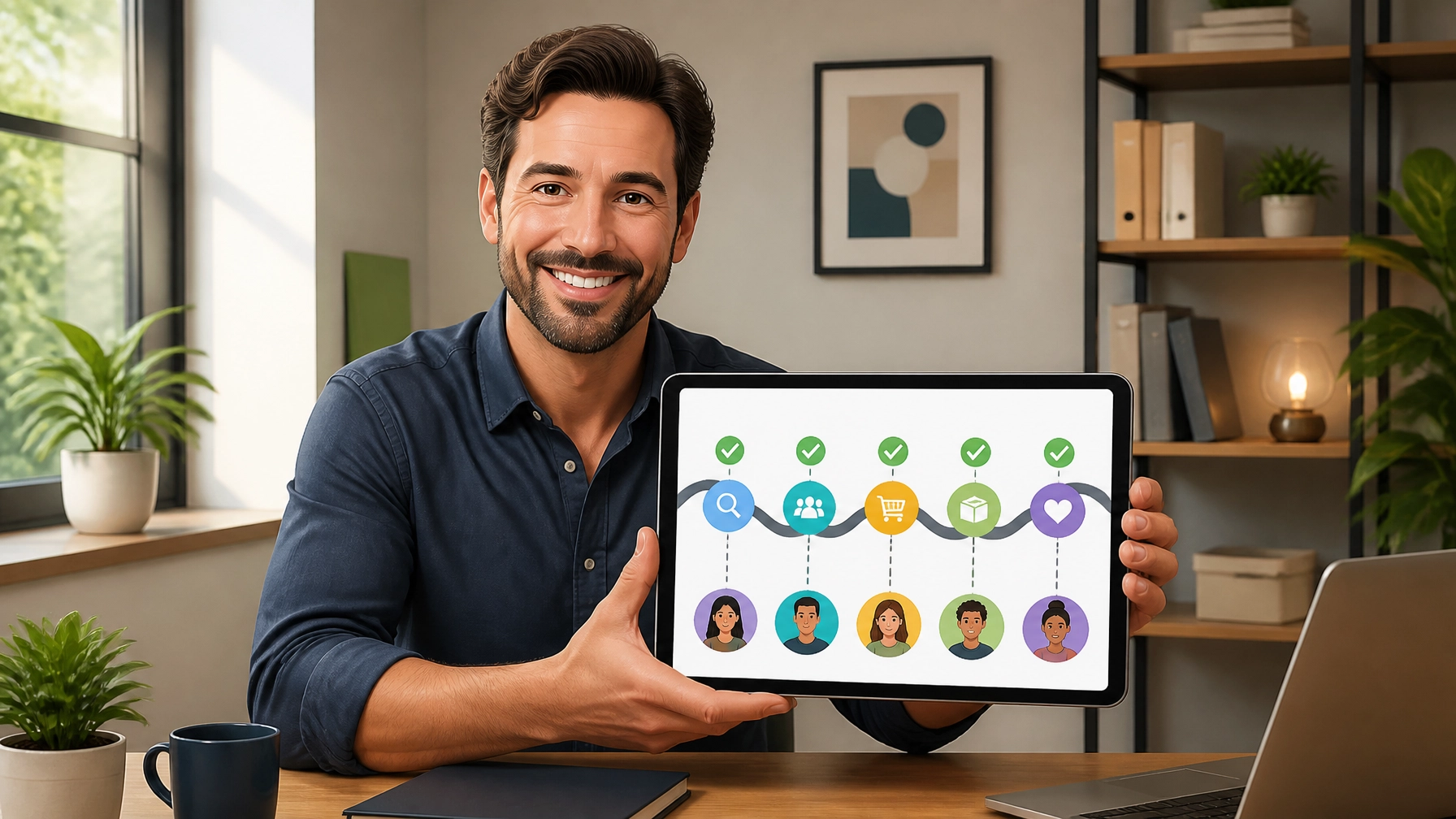
If you’re skeptical that a relationship-first approach beats a promo-first approach, look at the numbers. According to research by Bain & Company, increasing customer retention rates by just 5% can increase profits by anywhere from 25% to 95%.
Acquiring a new customer is expensive. You have to pay for the ad, the landing page, and the sales time. But keeping an existing customer? That is where the real margin lives. Email is the most cost-effective tool in your arsenal to drive that retention.
Statistics show that automated emails drive 320% more revenue than one-off broadcast blasts. Why? Because automated emails are triggered by behavior. They are sent when the customer is actually thinking about you, not just when you happen to have a sale. This is the difference between timing and volume, a core pillar of our strategy at TrustMedia.
Promotion-First vs. Relationship-First Email
To understand where your current strategy sits, it’s helpful to compare the two dominant philosophies of email marketing.
| Feature | Promotion-First Email | Relationship-First Email |
|---|---|---|
| Primary Goal | Short-term sales spike | Long-term customer lifetime value (CLV) |
| Frequency | Determined by the brand’s needs | Determined by the customer’s lifecycle |
| Content | Discounts, offers, and “Me-focused” news | Education, utility, and “You-focused” solutions |
| Segmentation | Everyone gets the same message | Content is tailored to past behavior and needs |
| Metric of Success | Open rate and immediate revenue | Churn rate and repeat purchase frequency |
| Long-term Effect | List fatigue and brand devaluation | Deepened trust and organic referrals |
The Architecture of Trust: Three Pillars of Retention
Building an email retention engine isn’t about writing better subject lines (though that helps). It’s about building a system that respects the customer’s journey. This is what we call the Permission Paradox: the more you act like you don’t need the sale, the more likely you are to get it.
1. Relevance Through Segmentation
The “blast” is dead. If you are a dentist and you send an email about teeth whitening to a patient who just had their teeth whitened last month, you aren’t being helpful: you’re being annoying. You’ve signaled that you don’t actually know who they are.
True retention comes from segmentation. By categorizing your list based on service history, geographic location, or even engagement levels, you ensure that every email feels like it was written for the person reading it.
2. The Power of Utility
Every email you send should pass the “Utility Test.” If the customer doesn’t buy anything today, did they still benefit from opening your email?
For a local HVAC company, this might look like a “Spring Maintenance Checklist” or a guide on how to lower energy bills during a heatwave. This positions you as the expert authority. When the AC finally does break, they won’t go to Google to search for “HVAC near me”; they will go to their inbox to find the person who has been helping them all year.
3. Timing Over Frequency
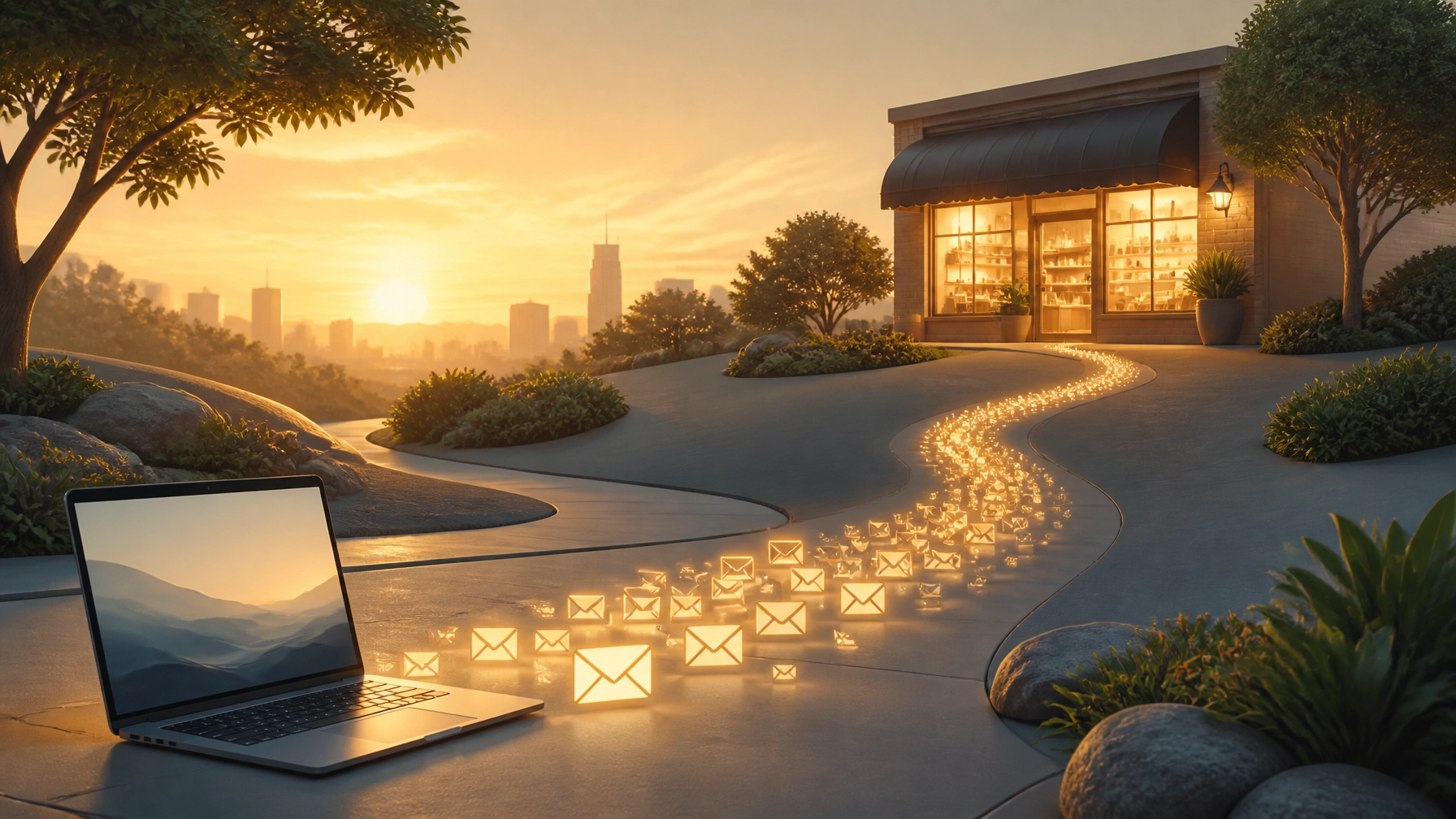
In practice, most businesses send too many emails during sales and not enough emails during the “quiet” periods of the customer relationship. A retention engine flips this. It uses triggers: like a 6-month follow-up after a service call or a “happy house-anniversary” note: to stay top-of-mind without being intrusive.
Conversion Psychology: The Secret Sauce
At TrustMedia, we specialize in the intersection of data and psychology. When we design email flows for local service providers, we leverage several key psychological triggers to ensure the emails actually move the needle:
- The Zeigarnik Effect: Humans have a natural psychological urge to finish what they started. We use “Open Loops” in our educational series to keep readers coming back for the next installment of a helpful guide.
- Social Proof Integration: Rather than just saying “we are great,” we weave customer success stories and localized reviews into the retention flow. It’s more persuasive when a neighbor says you did a good job than when you say it yourself.
- Reciprocity: When you provide genuine value for free (like a maintenance guide), customers feel a subconscious “debt” of gratitude. This makes them much more likely to choose you when they eventually need a paid service.
Transforming Your Strategy into an Engine
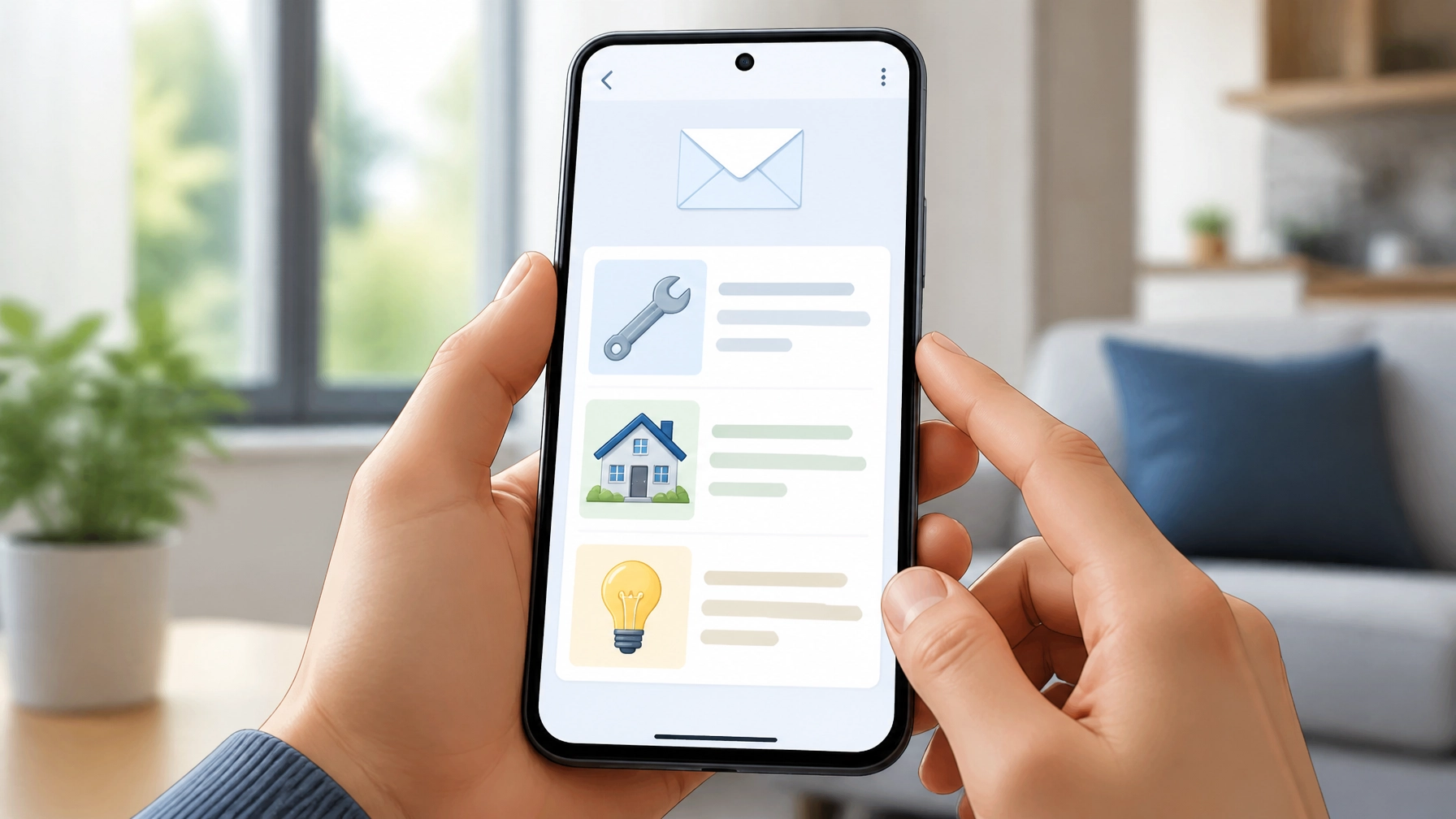
Transitioning from a promo-heavy strategy to a retention-based one doesn’t happen overnight. It requires a shift in how you view your audience. Here is a practical checklist to get started:
- Audit Your Last 5 Emails: Were they 100% about your business, or were they 100% about the customer’s problem?
- Identify Your “Quiet” Periods: Where do you lose contact with customers after a sale? Create one automated “check-in” email for that gap.
- Clean Your List: Retention is about quality, not quantity. If someone hasn’t opened an email in 12 months, they are hurting your deliverability. Let them go.
- Focus on the First 30 Days: The moment after a customer works with you is when their “trust” in you is highest. Use this time to send an onboarding or “thank you” sequence that reinforces their good decision.
By treating email as a long-term asset rather than a short-term fix, you build a “Long Tail of Trust” that competitors can’t easily replicate with a larger ad budget.

As a growth consultancy, we help local businesses look past the vanity metrics of “clicks” and focus on the metrics that matter: customer lifetime value and sustainable growth. If your current email strategy feels like a series of disconnected shouts into the void, it might be time to build an engine instead.
How often should I send emails to my customers?
Frequency depends on your industry, but the “Golden Rule” is to send as often as you have something genuinely useful to say. For many local services, a monthly educational newsletter combined with 3-4 triggered lifecycle emails (post-service, anniversary, reminders) is the sweet spot.
Will my sales drop if I stop sending promotional emails?
We don’t recommend stopping promotions entirely. Instead, we recommend “sandwiching” your promotions between high-value utility content. This keeps your open rates high so that when you do have a sale, more people actually see it.
What is the most important metric to track for retention?
While open rates matter, the “Repeat Purchase Rate” and “Churn Rate” are the true indicators of a healthy retention engine. If your email list is growing but your repeat business is stagnant, your content likely isn’t building enough trust.
Do I need expensive software to do this?
Not necessarily. Most modern email platforms (like Mailchimp, Klaviyo, or ActiveCampaign) have the automation and segmentation tools needed to build a retention engine. The strategy and the content are far more important than the specific tool you use.
How do I get more people to actually open my emails?
Focus on the “From” name and the subject line, but more importantly, focus on your reputation. If your last three emails were helpful, the reader will open the fourth one because they trust the sender. Consistency is the best “hack” for high open rates.


