
You’re not picking the wrong creators. You’re measuring the wrong things.
For years, the playbook for influencer marketing has been stubbornly straightforward. You open a database, filter by follower count, check the engagement rate, scan the aesthetic, and write a check. If the creator has 100,000 followers and a 4% engagement rate, your spreadsheet turns green. You launch the campaign, look at the initial spike in impressions, and declare success.
Then you check your bottom-line revenue. The spike has vanished, the discount codes went unredeemed, and your cost per acquisition is climbing.
You find yourself wondering where the disconnect happened. After all, the creator’s feed looked pristine, their comments were filled with heart emojis, and their audience numbers looked impressive on paper.
Here’s why: you fell victim to the influence blind spot. Most brand vetting processes are engineered to avoid risk rather than maximize impact. They reward safe, recognizable metrics while completely bypassing the behavioral signals that actually determine whether an audience will take action.
What Is the Influence Blind Spot?
The blind spot in modern creator partnerships isn’t a lack of data; it’s an excess of the wrong data. When brands evaluate partnerships, they default to what is easy to quantify: follower scale, likes per post, and cosmetic polish. But these metrics measure popularity, not persuasion.
In practice, true influence lives in the alignment between what an audience needs and what a creator represents. When you peel back the layers of a typical influencer roster, you discover that most brands miss four critical factors during their vetting process:
- Audience Overlap: Does the creator’s audience actually contain your potential customers, or are they just window-shoppers from across the globe?
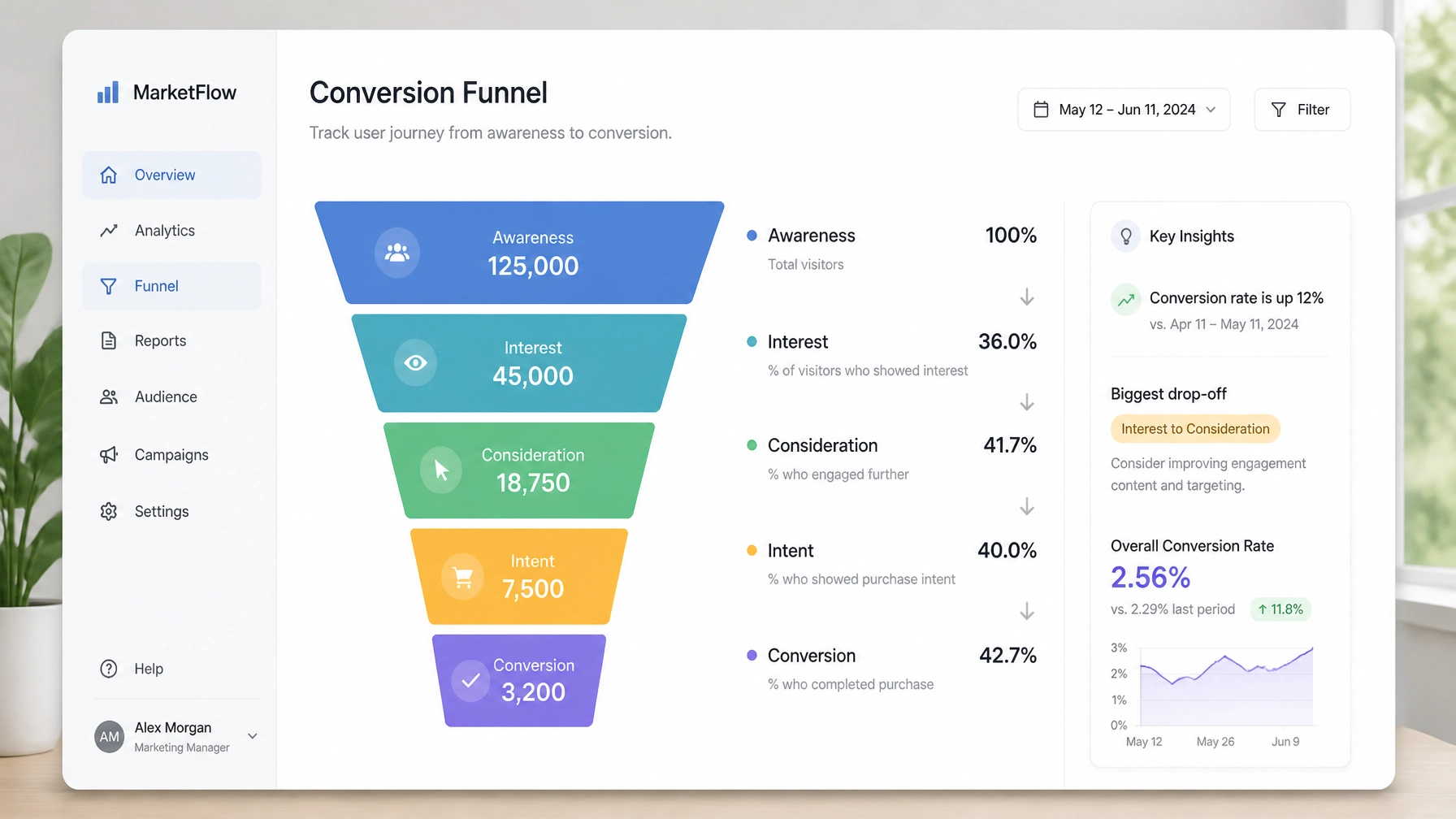
- Lifecycle Stage Alignment: Is this creator best suited for top-of-funnel awareness, mid-funnel consideration, or bottom-funnel conversion?
- Behavioral Consistency: Does the creator’s community follow through on recommendations, or do they merely consume content passively?
- Creative Vibe Match: Does the creator’s natural storytelling style complement your brand positioning, or does sponsored content stick out like a jarring billboard?
When these elements are ignored, campaigns become expensive exercises in shouting into a crowded room. To understand why your previous partnerships underperformed, we have to look past the follower count and examine how digital audiences actually make decisions.

Why Engagement Rate Is a Dangerous Proxy for Influence
For a long time, engagement rate was hailed as the antidote to vanity metrics. If followers were too easy to inflate, surely the percentage of people liking and commenting on a post told the real story.
In practice, engagement rate has become another vanity trap. A high engagement rate from the wrong audience is often worse than a low engagement rate from the right one.
Consider how modern social media behavior has evolved. People double-tap and comment on content that is entertaining, controversial, or aesthetically hypnotic without possessing any intent to buy the underlying product. A lifestyle creator can post a stunning reel that pulls in a 7% engagement rate driven entirely by aesthetic appreciation, yet generate zero qualified leads for a specialized B2B software or home remodeling service.
“Consumer trust is no longer transferred through rented reach or shiny demographic summaries; it flows exclusively through perceived behavioral congruence between the creator and the buyer’s lived reality.”
When your measurement framework prioritizes raw engagement over behavioral congruence, you reward performance over persuasion. As we explored in The Credibility Stack, modern audiences audit everything from comment integrity to real-world proof before they decide to care about a recommendation. If a creator’s audience is commenting on their outfit rather than asking questions about their workflow, your campaign is built on sand.
Standard Vetting vs. Full-Spectrum Fit Analysis
To fix your creator strategy, you need to transition from superficial filtering to a rigorous, multi-dimensional fit analysis. Here is how standard vetting compares to a full-spectrum approach:
| Evaluation Dimension | Standard Creator Vetting | Full-Spectrum Fit Analysis |
|---|---|---|
| Audience Scope | Broad demographics (age, general geography, broad interests). | Specific psychographic overlap, purchasing power, and local market density. |
| Lifecycle Mapping | Treating every creator as an all-purpose awareness megaphone. | Matching creator formats to exact buyer journey stages (awareness, consideration, decision). |
| Behavioral Intent | Measuring passive likes, shares, and high comment volume. | Tracking saves, direct questions, link intent, and historical conversion patterns. |
| Creative Control | Over-scripting talking points to protect brand safety. | Empowering authentic storytelling (see The Creative Brief Paradox). |
| Success Metrics | Impressions, reach, and raw engagement rate. | Cost per acquisition, customer lifetime value, and qualified traffic lift. |
Practical Examples: How Precision Beats Popularity
Let’s look at how this plays out in the real world across different business models.
1. The Home Services Dilemma
A regional home remodeling company was allocating their quarterly creator budget to lifestyle influencers with 50,000+ followers across the state. While the posts generated thousands of impressions, inbound calls remained flat.
They restructured their approach. Instead of chasing reach, they partnered with two local interior architects: each with under 8,000 followers, but with local engagement rates dominated by homeowners in their exact service radius. Rather than asking for generic sponsored posts, they had the creators document real problem-solving moments during client consultations.
Even though total reach dropped by 75%, inbound lead volume quadrupled. The audience was smaller, but the overlap with active buyers was absolute.
2. The E-Commerce Misalignment
An online direct-to-consumer apparel brand was struggling with high cart abandonment despite paying top dollar for macro-influencers. Their vetting process looked solely at aesthetic fit.
Upon auditing their creator funnel, they realized they were using top-of-funnel aspirational lifestyle creators for bottom-funnel product validation. Their prospective customers weren’t looking for inspiration anymore; they needed sizing clarity, fabric durability proof, and real-world durability checks. By shifting their creator budget to micro-creators who specialized in deep product teardowns and honest comparison reviews, their conversion rate doubled within sixty days.

How to Audit Your Creator Strategy Today
Before you sign your next influencer contract or approve another quarterly roster, run your strategy through three foundational questions:
- Where does this creator live in your customer’s journey? If your product requires consideration and trust, stop hiring top-of-funnel entertainers. Align your creator tier with the friction points in your buyer’s decision-making process.
- Does their community ask questions or just give compliments? Look at the comment section. If the comments consist entirely of single-word compliments (“Gorgeous!”, “Obsessed!”), the audience is passive. If the comments feature nuanced questions about use cases, sizing, or implementation, you have found an active buying community.
- Are you measuring reach or resonance? Shift your primary reporting from impressions to qualified actions: such as specific landing page intent, click-through depth, and cohort-based conversion tracking.
Building Lasting Influence Through Strategic Alignment
Influencer marketing is no longer about renting an audience’s attention span for thirty seconds. It is about establishing authentic bridges between your brand and communities that already share your values and buying intent.
When you eliminate the influence blind spot, you stop paying for noise and start investing in momentum. That is how modern brands build sustainable, high-ROI creator partnerships that actually move the revenue needle.
Q&A
Why is follower count no longer a reliable indicator of success?
Follower counts reflect cumulative historical reach rather than active attention or purchasing power. Many accounts carry inflated or dormant follower bases, meaning raw numbers tell you very little about who is actually paying attention today.
What is audience overlap and why does it matter?
Audience overlap occurs when multiple creators on your roster share a large percentage of the exact same followers. If you don’t account for overlap, you end up paying multiple times to reach the exact same people while falsely assuming you are scaling your campaign’s unique reach.
How do I determine which lifecycle stage a creator fits best?
Look at their content format and audience response. Creators who excel at quick visual hooks and broad storytelling belong at the top of the funnel for awareness. Creators who dive into deep tutorials, Q&As, and product breakdowns belong in the middle and bottom of the funnel for consideration and conversion.
Why is engagement rate sometimes misleading?
Engagement rate measures reaction, not intent. An audience can heavily like or comment on a post for entertainment or aesthetic reasons without having any genuine interest or financial capacity to purchase the product being featured.
How can smaller businesses leverage influencer marketing effectively?
Smaller brands often achieve significantly higher ROI by partnering with niche micro-creators and local experts who possess deep community trust and high audience-to-customer alignment, rather than spending large budgets on broad, disconnected macro-influencers.
What metrics should replace raw impressions in campaign reporting?
Focus on actionable behavior metrics such as unique click-through rates, qualified traffic sessions, deep engagement indicators (saves, direct questions, detailed replies), and conversion rates tied directly to UTM links or dedicated landing pages.