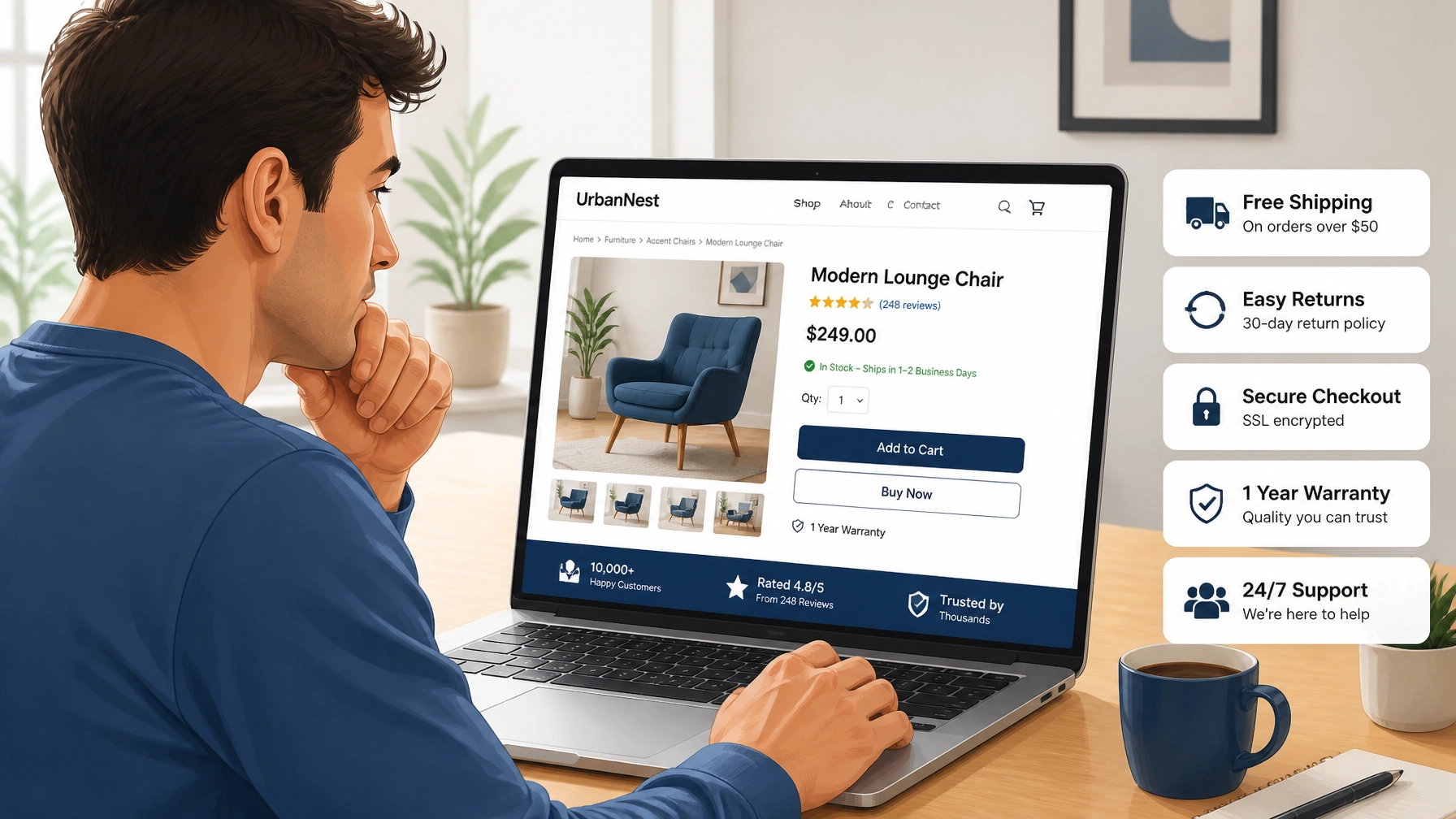
You’ve seen the numbers in your dashboard. A shopper lands on your site, spends four minutes browsing your collection, carefully selects a product, and adds it to their cart. Then, right at the finish line, they vanish. It isn’t a technical error or a sudden internet outage. It is the “Hesitation Gap”, that invisible mental space between “I want this” and “I am willing to pay for this.”
In the world of modern e-commerce, interest does not equal intent, and intent does not always lead to a transaction. Statistics show that the average cart abandonment rate across industries hovers around 70%. That means for every three people who express a clear desire for your product, only one actually follows through.
Closing this gap isn’t about shouting louder or offering bigger discounts. It’s about understanding the deep-seated psychological friction that makes a shopper pause, and systematically removing the obstacles that keep them from clicking “Buy.”
The Psychology of the Hesitation Gap
When a customer adds an item to their cart, they enter a state of high emotional engagement. However, they also trigger a set of defensive mechanisms. As humans, we are wired for loss aversion; the “pain of paying” is a real neurological response. At the moment of truth, the excitement of a new purchase often battles the fear of making a mistake.
For many shoppers, a digital cart serves as a “wishlist” or a comparison tool rather than a final commitment. They are gauging the total cost, checking for social proof, or simply waiting for a mental green light. This is where The Alchemy of Authority becomes critical. If your brand doesn’t radiate trust and expertise from the first click to the final checkout step, the shopper’s brain will default to safety, which means leaving without buying.
“The hesitation gap is where uncertainty lives. If a shopper has to ask ‘Is this the right size?’ or ‘Can I return this if it breaks?’, you’ve already lost the momentum.” , TrustMedia Strategy Team
One fascinating psychological driver often overlooked is the “guilt of indulgence.” When a shopper builds a cart full of non-essential or luxury items, they often feel a pang of wastefulness. Interestingly, research suggests that suggesting utilitarian or “practical” add-ons can actually lower abandonment rates by helping the customer justify the entire purchase as a balanced decision.
Building the Trust Bridge
To move a customer from hesitation to a completed order, you must build what we call a “Trust Bridge.” This bridge connects the digital desire to the physical reality of the product arriving at their door.
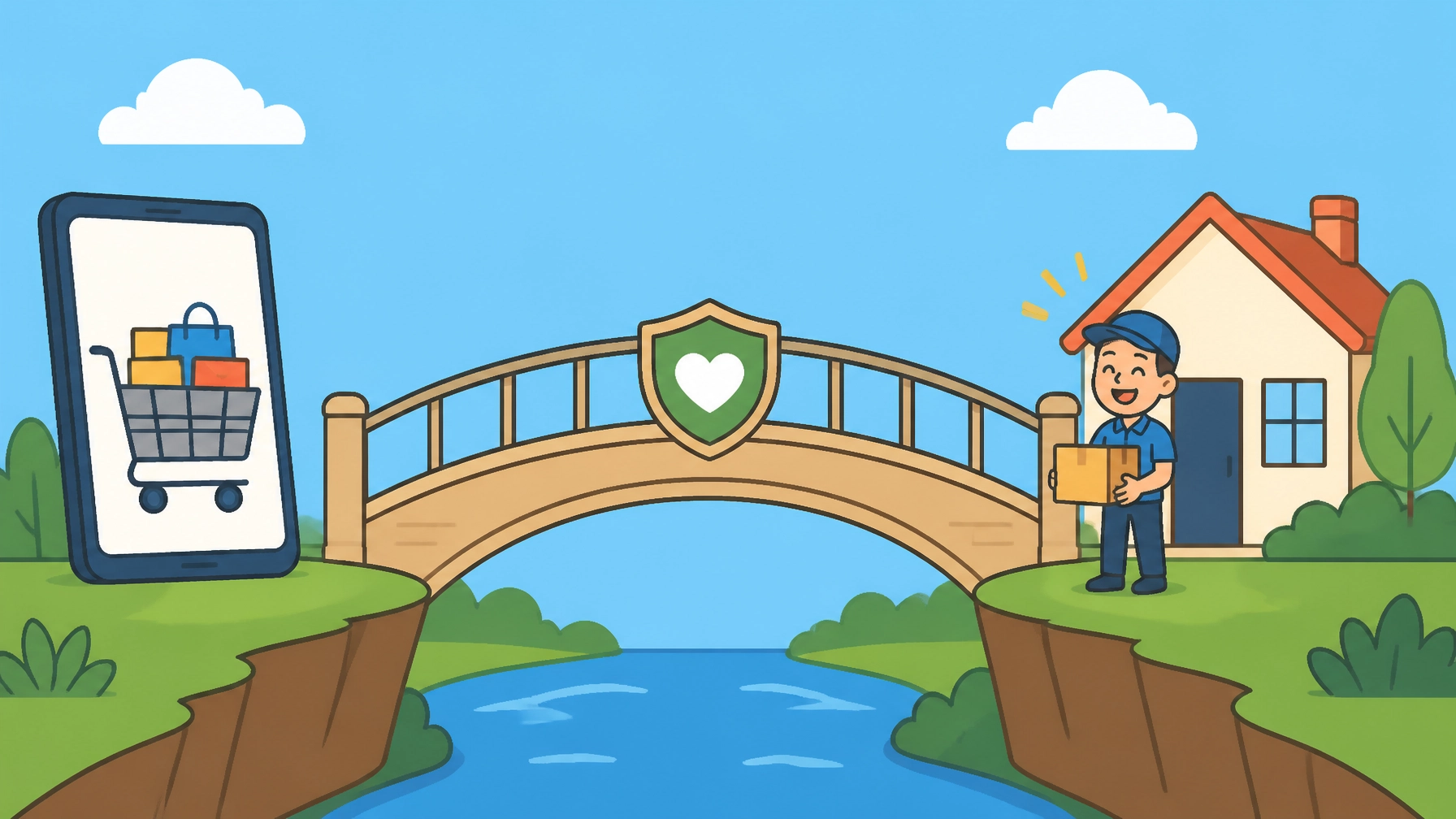
Trust is not a single feature; it is an accumulation of micro-signals. These include:
- Cost Transparency: Surprise shipping fees are the #1 reason for abandonment. Showing estimated totals early in the cart process prevents the “bill shock” that kills conversions.
- Social Validation: Ratings and reviews should be visible inside the cart view. Remind them why other people love this product exactly when they are doubting their choice.
- Risk Reversal: A clear, generous return policy reduces the perceived risk of the “outcome.”
By applying The Clarity Compass, you can navigate these friction points. Clarity isn’t just about high-res photos; it’s about answering every possible objection before the customer has a chance to form it.
Reducing Friction: The Practical Playbook
Friction is anything that makes the user think too hard. In e-commerce, thinking is the enemy of buying. Every extra field in a form, every required account creation, and every unclear button label adds “cognitive load.”
1. Optimize the Checkout Experience
The modern shopper has a short attention span and even shorter patience for bad UI. A minimalist checkout process is essential.
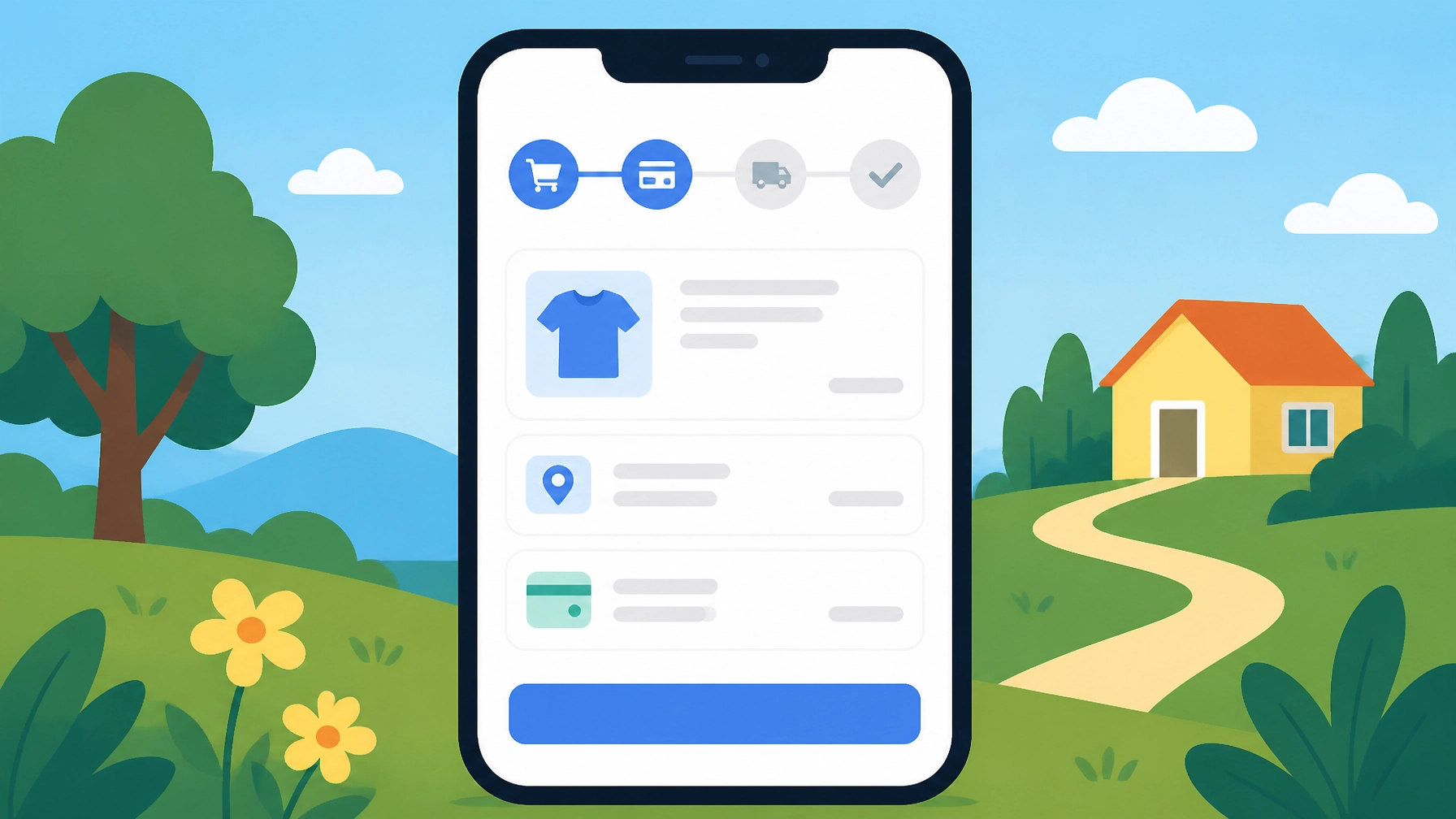
As a result of mobile-first shopping habits, “one-tap” payments like Apple Pay or Shop Pay have become standard. If your store requires a manual credit card entry on a 6-inch screen, you are practically asking people to quit.
2. The Power of Post-Click Strategy
Trust doesn’t end when the payment is processed. In fact, for long-term retention, the post-click experience is where the real brand building happens. This is where The Trust Loop comes into play. Automated order confirmations, shipping updates, and “unboxing” guides turn a one-time buyer into a loyal advocate.
3. Comparison of Friction vs. Trust Experiences
| Feature | High Friction (Loses Carts) | High Trust (Drives Sales) |
|---|---|---|
| Shipping Costs | Revealed at the very last step. | Estimated in the cart / Free shipping over $X. |
| Account Creation | Mandatory before checkout. | Guest checkout enabled with one-tap options. |
| Returns Policy | Hidden in a footer link. | “30-day Easy Returns” highlighted near the Buy button. |
| Product Info | Generic manufacturer description. | Benefits-focused copy with real user photos. |
| Support | No clear way to contact. | Live chat or clear FAQs accessible from checkout. |
Why Clarity Wins Over Hype
Many brands try to “hack” their way to more sales using countdown timers or fake inventory alerts. While these might work in the short term, they often erode trust. Modern customers are savvy; they can smell a “growth hack” from a mile away.
Instead, focus on extreme clarity. Ensure your product descriptions answer the “What’s in it for me?” question instantly. Use high-quality visuals that show the product in a real-world context. When a shopper knows exactly what they are getting, when it will arrive, and what happens if it doesn’t fit, the hesitation gap shrinks.
Closing the Loop for Long-Term Growth
E-commerce success is rarely about a single viral campaign. It is about a consistent, data-driven execution of trust-building strategies. When you reduce the mental effort required to buy, you aren’t just increasing your conversion rate, you are improving the customer’s life by making their shopping experience seamless.

In practice, this means constantly auditing your store for friction points. Are your mobile loading times dragging? Is your “Guest Checkout” button hard to find? Does your cart feel like a dead end or a gateway to a solution?
At TrustMedia, we help brands identify these hidden leaks in their funnel. By combining deep psychological insights with technical execution, we transform hesitant browsers into confident buyers.
What is the most common reason for cart abandonment?
Unexpected costs, specifically shipping and taxes, are the leading cause of abandonment. Shoppers often use the cart to see the final total, and if that total is significantly higher than the product price, they will leave.
Does guest checkout really improve conversions?
Yes. Requiring account creation is one of the biggest friction points in e-commerce. Enabling guest checkout can increase conversion rates by as much as 30% for first-time customers.
How can I reduce the “pain of paying” for customers?
Offer diverse payment options, including Buy Now, Pay Later (BNPL) services like Klarna or Affirm, and digital wallets like Apple Pay. These methods reduce the physical and mental effort of transaction.
Should I use discount codes to recover abandoned carts?
While effective, discounts should be a secondary strategy. First, ensure your checkout flow is frictionless and your trust signals are strong. Relying solely on discounts can train your customers to intentionally abandon carts to wait for a coupon.
How does site speed affect the hesitation gap?
Every second of delay in page load time can reduce conversions by up to 7%. If your site is slow, you are giving the customer more time to second-guess their purchase.