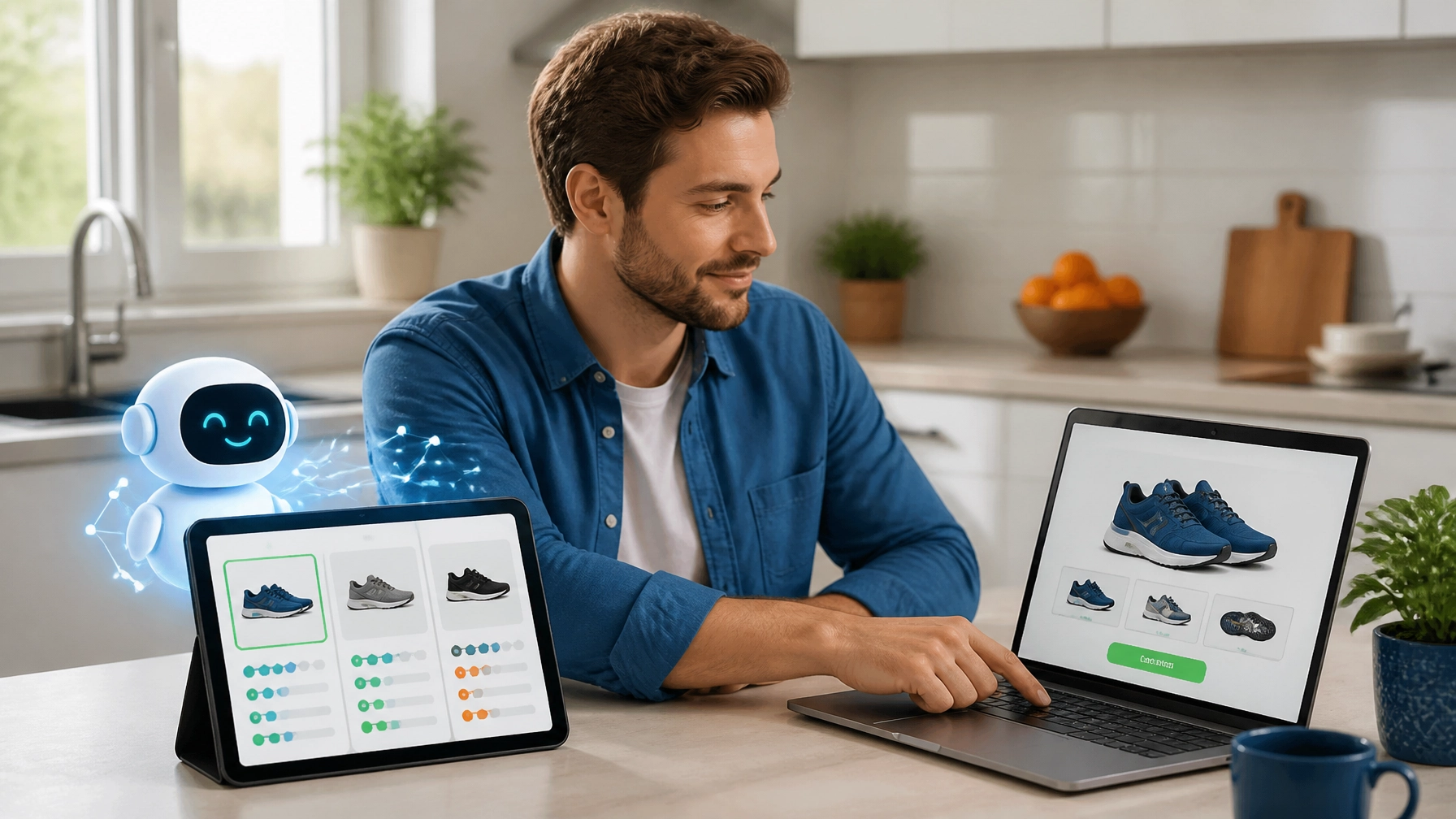
The technology itself isn’t the disruption anymore. The customer expectations it created are.
For the last decade, we have watched a relentless cycle of “newness.” First, it was the mobile-first revolution, then the rise of the cloud, and now the rapid-fire integration of generative AI. Many businesses focus entirely on the tools themselves: trying to figure out which chatbot to install or which automation platform will save them the most time. However, this focus on the “tool” misses the broader, more seismic shift happening in the background.
Every time a major technology becomes accessible, it doesn’t just improve efficiency for the companies that use it. It resets the baseline for what every customer expects from every business they interact with. We call this “Expectation Inflation.”
Whether you are a local home service contractor, a boutique medical practice, or a scaling e-commerce brand, you are no longer just competing with the shop down the street. You are competing with the seamless, personalized, and instant experiences your customers have with global tech giants and AI-driven startups. The gap between what customers now expect and what most businesses actually deliver is widening. That gap is where your greatest risk: and your greatest opportunity: lies.
The Invisible Rise of Expectation Inflation
Expectation inflation is the phenomenon where a premium feature of yesterday becomes a basic requirement of today. Think back fifteen years: if a business had a website that loaded on a phone, it was “innovative.” Ten years ago, if they responded to an email within 24 hours, they were “reliable.”
Today, those benchmarks are ancient history.
As technology proliferates, the novelty wears off instantly. When a customer interacts with a highly polished, AI-driven support system from a major airline or a hyper-personalized recommendation engine on a shopping site, their brain subconsciously recalibrates. They don’t think, “I expect this only from billion-dollar companies.” They think, “This is how modern business works.”
As a result, when they visit a local business website that is confusing or wait three days for a quote, it doesn’t just feel slow: it feels broken. This shift isn’t about the technology you own; it’s about the standard your customers have adopted.
The Personalization Paradox
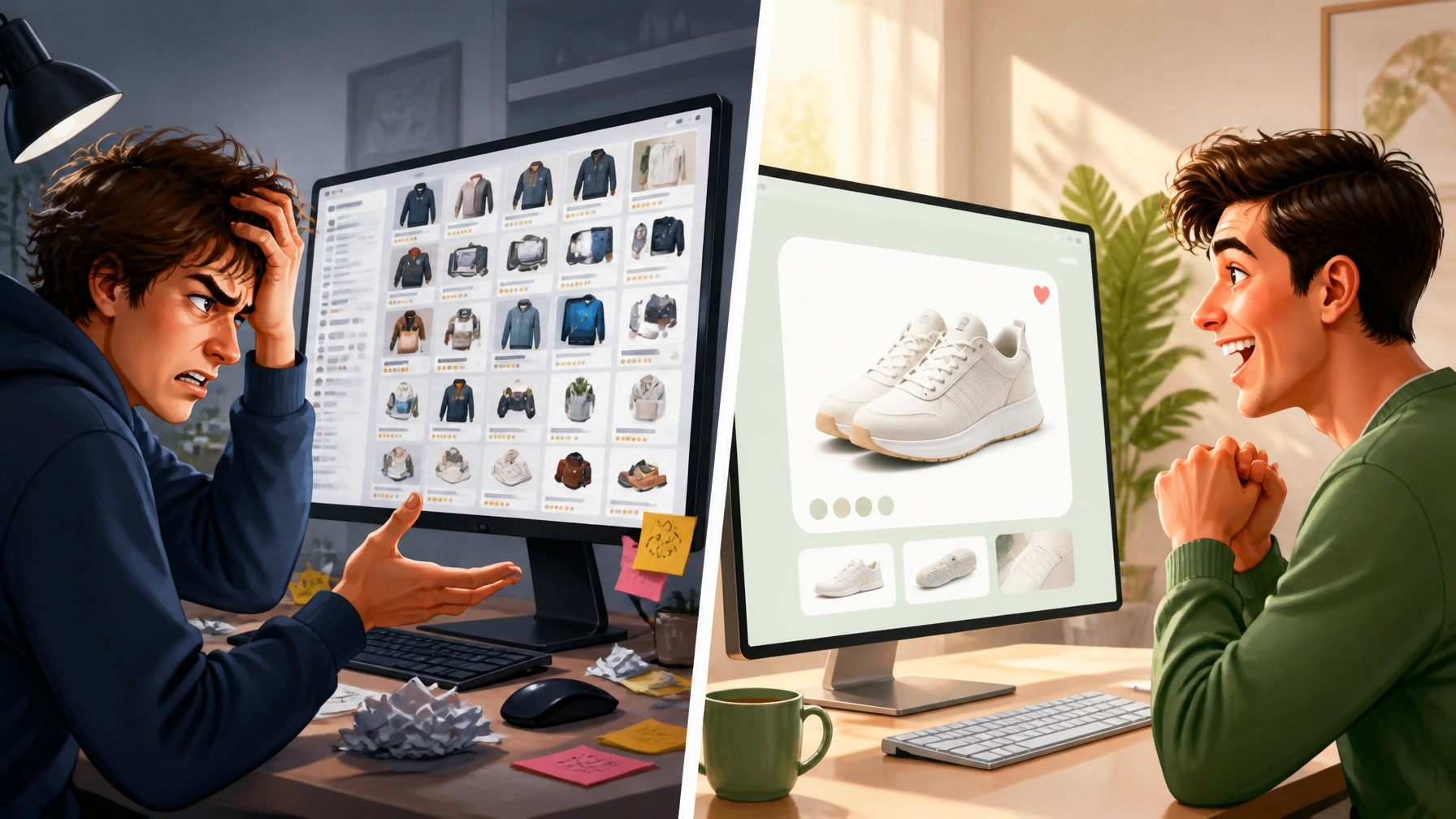
One of the most significant areas of inflation is personalization. In the past, “personalization” meant including a customer’s first name in an email subject line. In 2026, that is the bare minimum. True personalization now means context-awareness: understanding where the customer is in their journey and providing what they need before they even ask for it.
“71% of consumers expect personalized interactions, and 76% get frustrated when they don’t receive them. Companies that grow faster drive 40% more of their revenue from personalization than their slower-growing counterparts.” : McKinsey & Company
The paradox is that while technology allows us to automate more, customers are becoming increasingly sensitive to “hollow” automation. If your personalization feels like a script, it actually erodes trust.
For example, an e-commerce brand that sends a generic “we miss you” discount code is performing a standard transaction. But a brand that uses data to suggest a specific accessory for a product the customer bought six months ago: precisely when that part usually wears out: is meeting the new expectation of anticipatory service. This is where the clarity advantage in design and strategy becomes a major competitive differentiator.
Mapping the Shift: Pre-AI vs. Current Expectations
To understand where your business stands, it helps to look at how the “baseline” has moved across key categories.
| Expectation Category | Pre-AI / Traditional Baseline | Current “Inflated” Expectation |
|---|---|---|
| Response Time | 24–48 Business Hours | Near-instant (AI-chat or real-time updates) |
| Personalization | “Dear [First Name]” | Context-aware, anticipatory solutions |
| Content Quality | General information | Expert-level, specific, and high-utility |
| Support Experience | Ticket-based queuing | Intelligent self-service + immediate escalation |
| Trust Signals | Logos and static reviews | Transparency, speed, and consistent performance |
Why the Human Touch Becomes More Valuable, Not Less
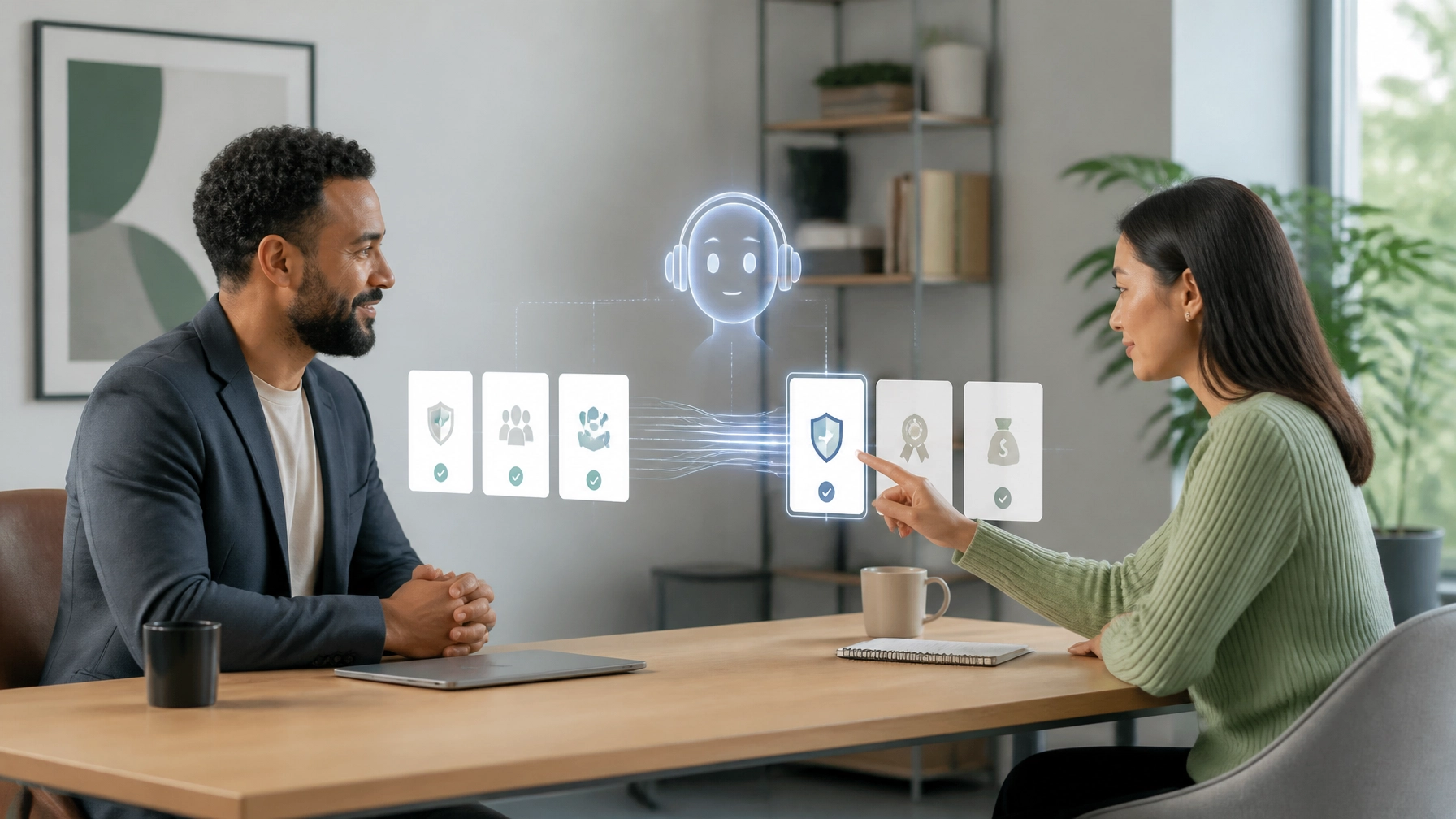
With the explosion of AI-generated content and automated voices, a strange thing is happening: human expertise and genuine connection are becoming premium assets.
In an era where anyone can generate a 1,000-word blog post in seconds, “content” is no longer the goal. The goal is insight. Customers can smell generic, AI-synthesized responses from a mile away. When they encounter a business that uses technology to handle the “boring” stuff: like scheduling or tracking: but leaves the complex, high-stakes communication to a real human expert, the perceived value of that business skyrockets.
Here’s why this matters: emerging technology should be used to remove friction, not to remove the soul of the business.
Imagine two HVAC companies. Company A automates everything, including their diagnostic phone line. The customer talks to a bot that can’t understand the specific “clanking” sound their furnace is making. Company B uses AI to handle the appointment booking and follow-up reminders instantly, but ensures that a knowledgeable service coordinator answers the phone to talk through the urgency of the repair.
Company B is using technology to meet the expectation of speed while doubling down on the human connection that builds trust.

Strategy Over Adoption: Bridging the Expectation Gap
Most businesses fail not because they lack the right tools, but because they lack a strategy for how those tools affect the customer experience. To bridge the expectation gap, you must move from “adopting technology” to “orchestrating experiences.”
This starts with data. Most businesses are “data-rich but insight-poor.” They have access to analytics but don’t know how to use them to predict what a customer wants next. Understanding the interpretation gap in your data is the first step toward creating the kind of “inflated” experiences customers now demand.
Once you have the insights, you can begin to automate with intent. Here are three strategic observations for the coming year:
- Speed is the new loyalty. Customers are more loyal to their own time than they are to your brand. If you can save them five minutes, you win.
- Predictive beats reactive. Don’t wait for the customer to tell you there is a problem. Use tracking and automation to inform them of a solution before they even notice the issue.
- The “Expertise Premium” is real. As AI handles basic tasks, your internal team must become more specialized. Use the time saved by automation to invest in deeper training and more personalized consulting for your clients.

The Future-Ready Positioning
At TrustMedia, we don’t just look at technology as a way to cut costs. We view emerging tools as the levers that allow you to reach: and exceed: the new standard of customer expectations.
The businesses that thrive in the next three years won’t be the ones with the most advanced AI. They will be the ones that use technology to become more “human,” more responsive, and more reliable than their competitors. They will be the ones that recognize that while the tools change, the fundamental human desire for trust, clarity, and value remains the same.
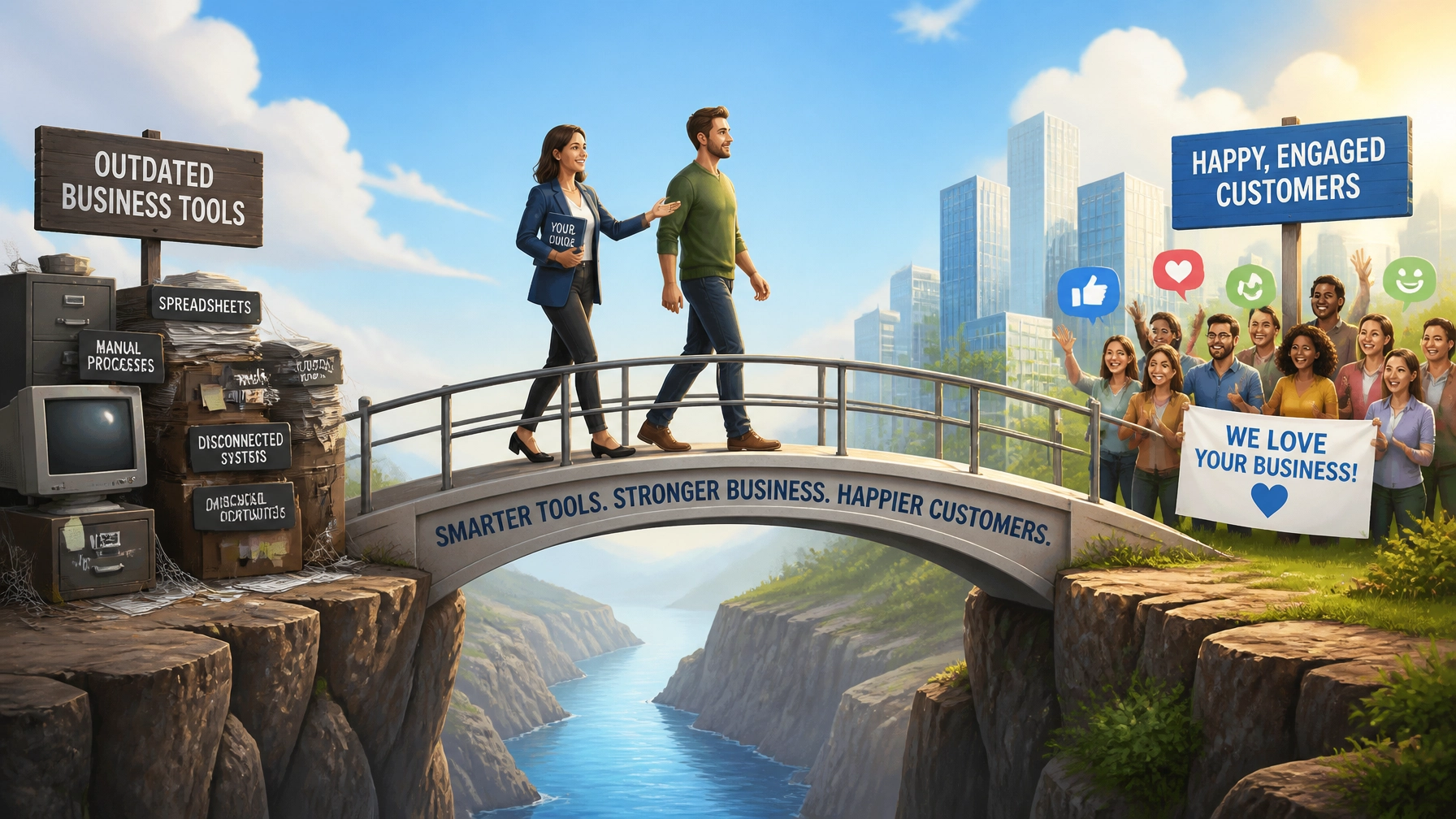
The expectation gap is wide, but it is also a map. If you follow where the customer’s expectations are going, you will always know exactly where your business needs to head next.
What is “Expectation Inflation”?
Expectation inflation occurs when new technologies reset the minimum standard for customer experience across all industries. When a customer experiences instant service or deep personalization from one brand, they begin to expect it from every other business they interact with.
Does my small business really need to use AI to compete?
You don’t need to use AI for everything, but you do need to solve the problems that AI has taught your customers to expect solutions for: namely, speed and personalization. Using AI for basic automation (like scheduling or initial inquiries) allows you to meet those expectations without losing your personal touch.
How can I tell if my business is falling into the “Expectation Gap”?
Look at your customer friction points. Are people asking questions that should be easily findable? Are your response times longer than a few hours? Is your communication generic? If your conversion rates are dipping despite high traffic, it’s often a sign that the experience you’re offering no longer matches the standard your customers expect.
What is the first step to improving my website’s customer experience?
The first step is clarity. Remove any unnecessary steps between the customer’s problem and your solution. Once you have a clear, frictionless path, you can then use technology to enhance that path with personalization and speed.
Is human service still important in an AI-driven world?
Actually, it’s more important than ever. As basic interactions become automated, high-level human expertise becomes a major differentiator. The goal of technology should be to “buy back” time for your team to provide deep, meaningful value to your customers.