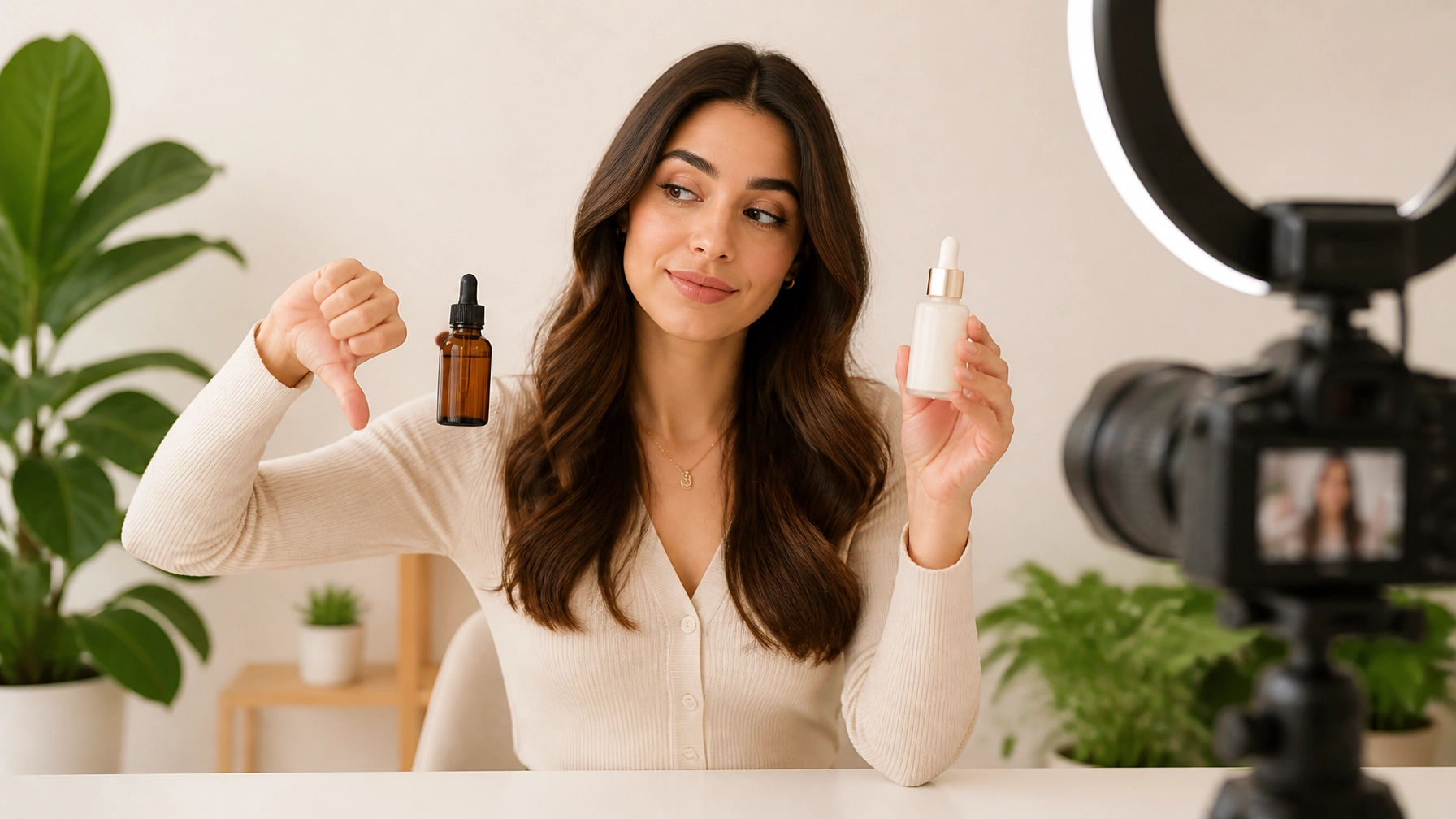
For years, the influencer marketing playbook was simple: find a creator with a large following, pay them to smile next to your product, and watch the impressions roll in. But as we navigate the mid-2020s, that playbook hasn’t just aged, it’s been rewritten by the audience. We are currently witnessing the rise of the “deinfluencing” movement, a cultural shift where creators gain massive authority by telling their followers what not to buy.
On the surface, deinfluencing looks like a threat to the $500 billion creator economy. In reality, it is a sophisticated evolution of trust. By rejecting overhyped products and calling out “dupe” culture, creators are actually solidifying their role as the ultimate gatekeepers of consumer attention. This is the Deinfluencing Paradox: the more a creator tells you to save your money, the more power they have to tell you where to spend it later.
For brands, this shift requires a move away from “shout-at-them” advertising and toward a strategic partnership model built on the 4 Cs of influencer strategy: Content, Creator, Control, and Tone.
The Psychological Engine: Parasocial Relationships in 2026
At the heart of this paradox is the “Parasocial Relationship” (PSR). This is the one-sided emotional bond a viewer feels with a creator they watch every day. In the fragmented digital landscape of 2026, these bonds have become the primary currency of marketing. When a creator “deinfluences” a product, they aren’t just giving a review; they are performing an act of friendship. They are signaling, “I am on your side, not the brand’s.”
This perceived honesty acts as a credibility-enhancing mechanism. Once that trust is established through a negative review, any subsequent positive recommendation carries ten times the weight of a traditional ad.
“As digital environments become saturated with AI-generated content and hyper-optimized advertisements, the ‘Parasocial Bridge’, the perceived intimacy between creator and follower, becomes the only reliable filter for consumer risk. Modern deinfluencing tactics do not decrease consumption; they concentrate it within high-trust nodes of influence.” , Adapted from Frontiers in Psychology: Digital Behavior Analysis, 2026.
Navigating the Shift: Traditional vs. Authenticity-Driven Partnerships
To thrive in this new environment, you must understand how the “old way” of influencing differs from the “new way” of cultural partnership. Many businesses get stuck trying to force creators into a traditional spokesperson role, which ironically triggers the very skepticism they are trying to avoid.
| Feature | Traditional Endorsements (Pre-2024) | Authenticity-Driven Partnerships (2026+) |
|---|---|---|
| Primary Goal | Reach and Impressions | Trust Capital and Community Affinity |
| Creator Role | Scripted Spokesperson | Cultural Curator and Consultant |
| Control Level | High (Brand-approved scripts) | Strategic (Co-created narratives) |
| Content Style | Polished and aspirational | Raw, honest, and “behind-the-scenes” |
| Measurement | CPM and CTR | Sentiment Analysis and Retention |
| Audience View | “They are getting paid to say this.” | “They are looking out for me.” |
By embracing this shift, brands can move from being an interruption to being a recommendation. If you’re looking to refine your approach, exploring our influencer marketing advisory can help you identify the right partners who already hold this level of community trust.

The 4 Cs of Influencer Strategy
To engineer authenticity without feeling manufactured, your strategy needs to be anchored in four critical pillars. Here’s how to look at them through a modern lens:
1. Content: The “Anti-Ad” Vibe
In 2026, high production value is often a red flag for younger audiences. The most effective content feels like it was filmed for a friend. It’s unpolished, conversational, and includes the “why” behind the recommendation. Instead of a 30-second spot, think about a 10-minute deep-dive or a series of short, “honest” updates. This follows the same logic we discussed in our piece on The Inbox Psychologist, where narrative personalization beats generic segmentation every time.
2. Creator: The Curator over the Celebrity
The days of the “Mega-Influencer” are waning. The power now lies with mid-tier creators (100k–500k followers) who maintain active communities. These creators have higher engagement rates because their followers still believe the creator is reading the comments. When selecting a creator, look for “curator status”, do they have a history of saying “no” to bad deals? If so, they are the ones you want.
3. Control: Relinquishing the Script
This is where most brands struggle. To be authentic, the creator must use their own voice. If you provide a rigid script, the audience will smell the “ad” from a mile away. Instead, provide “Strategic Guardrails.” Tell them the three things the product must do, and let them decide how to tell the story.
4. Tone: The “Honest Broker” Approach
Encourage your partners to be critical, even of your own brand. A creator who says, “This product is amazing for X, but if you’re looking for Y, it might not be for you,” builds far more trust than someone who claims it’s perfect for everyone. This “Honest Broker” tone is what prevents your brand from being the target of the next deinfluencing wave.

Why “Community” is the New Virality
The 2026 landscape has shifted from a “broadcast” model to a “community” model. Virality is fleeting; community is permanent. Brands that focus on “going viral” often find that the attention disappears as quickly as it arrived. However, brands that partner with creators to build long-term affinity within a specific community see compounding returns.
That said, building this affinity takes time. It requires consistent presence and a willingness to participate in the conversation rather than just dominating it. This is why many local service-based businesses are seeing massive success by partnering with local “micro-curators”, the people who everyone in town trusts for recommendations on everything from HVAC repair to the best dental practice.
Implementing the Strategy: Your 2026 Checklist
Ready to lean into the deinfluencing era? Here is how you can start today:
- Audit your current roster: Are your creators just posting “ads,” or are they sharing stories? If it feels like an ad, it’s time to pivot.
- Encourage “No” content: Ask your partners to share what they don’t like about the industry or competitor products to build their “Honest Broker” status.
- Invest in long-term creators: Move away from one-off posts and toward 6-12 month partnerships.
- Track sentiment, not just clicks: Use tools that measure how people are talking about your brand in the comments, not just how many people clicked a link.
By understanding the psychology of digital attention, you can transform your marketing from a cost center into a trust-building asset. At Trust Media, we specialize in helping brands navigate these cultural shifts through data-driven social media management and strategic growth consulting.

What exactly is “deinfluencing”?
Deinfluencing is a social media trend where creators advise their followers against buying certain popular or overhyped products. It’s a reaction to influencer fatigue and consumer skepticism, aimed at building trust through honesty and critical evaluation.
How can my brand benefit from a trend that tells people not to buy things?
The benefit lies in the “Paradox.” When a creator builds trust by being honest about what doesn’t work, their recommendations for what does work become significantly more powerful. It’s about quality of attention over quantity.
Are mid-tier creators better than celebrities for this?
Usually, yes. Mid-tier creators often have a more intimate, “parasocial” connection with their audience. Their communities are often more niche and engaged, making their recommendations feel like advice from a trusted friend rather than a paid celebrity endorsement.
Does this mean I should let influencers talk badly about my product?
Not necessarily, but you should encourage them to be realistic. Acknowledging that a product is designed for a specific use case: and might not be right for everyone: actually increases the conversion rate for the right customers while reducing returns and negative reviews.