For years, the marketing world lived by a simple, if flawed, equation: followers equals influence. If a creator had a million people watching their feed, they were treated as a goldmine for brand awareness. But as we move through 2026, that equation has fundamentally broken. You’ve likely seen the fallout, massive campaigns with “mega-influencers” that result in thousands of likes but zero movement in sales or brand sentiment.
The reality is that follower count is now a vanity metric. It represents reach, not resonance. In a digital landscape where attention is fragmented and skepticism is the default setting, true influence isn’t something you can buy by the thousand. It is earned through consistency, transparency, and a deep-seated alignment with a specific audience. Whether you are working with an ecommerce seo agency to drive organic traffic or a shopify marketing agency to scale your store, understanding that influence is a currency of credibility, not volume, is the key to surviving the next era of growth.
The Mechanics of Trust Transfer
Why does influencer marketing work at all? It isn’t just about showing a product to a new audience; it’s about the “Trust Transfer.” This is the psychological process where the established bond between a creator and their audience is extended to a third-party brand.

When a creator you’ve followed for years recommends a tool, they aren’t just selling a feature; they are staking their reputation on it. That reputation acts as a bridge. If the creator is credible, the audience crosses that bridge with confidence. However, if the fit feels forced or the creator has a history of promoting anything for a paycheck, that bridge collapses.
“In 2026, influencer marketing is no longer a top-of-funnel awareness play; it is a performance-driven trust play. Brands that fail to vet for creator integrity will find their ROI diminishing as audiences become experts at spotting ‘the shill.'” , Industry Report on Creator Economics
As a digital marketing agency, we’ve observed that this transfer is strongest when the creator has a high “Permission Score.” This is the degree to which an audience expects and accepts product recommendations from that individual. For example, a home renovation expert has high permission to recommend a specific brand of cordless drill. A lifestyle influencer who suddenly pivots to financial advice? Not so much.
Niche Communities and the Depth of Engagement
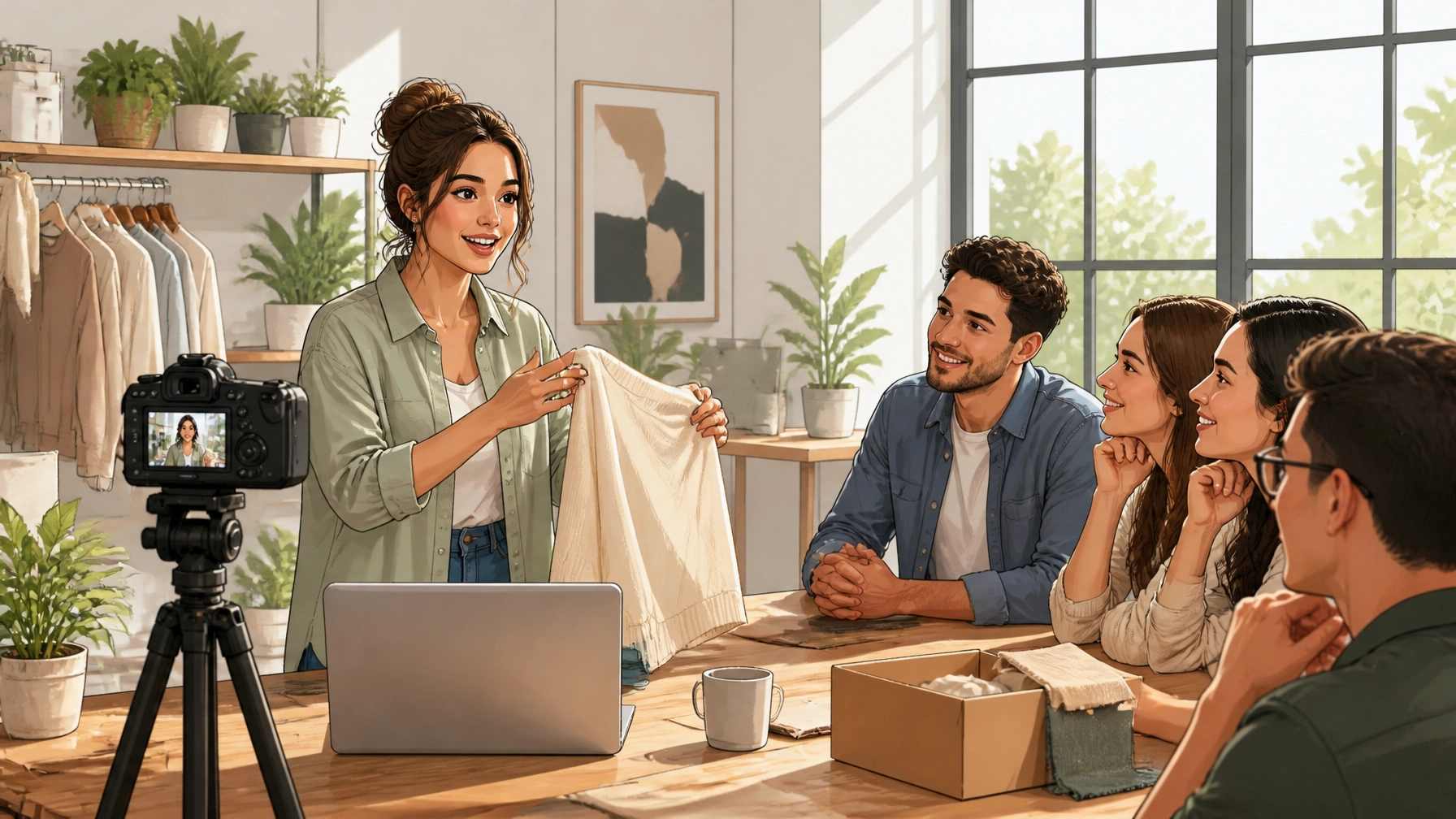
The most successful brands today are moving away from the “billboard” model of influencer marketing. Instead of aiming for the widest possible net, they are diving into niche communities. These are the pockets of the internet where engagement isn’t just a double-tap on a photo; it’s a twenty-minute discussion in the comments section.
Micro and nano-creators, those with 5,000 to 50,000 followers, often command a level of loyalty that celebrities simply cannot match. Here’s why this matters for your strategy:
- Higher Relevance: Their content is usually hyper-focused on a single topic, making audience alignment a near-guarantee.
- Conversational Authority: These creators often reply to comments and interact with their fans, building a horizontal relationship rather than a vertical one.
- Cost-Efficiency: You can often partner with ten niche experts for the price of one mid-tier influencer, diversifying your risk and increasing your touchpoints within a specific market.
By integrating these creators into your broader strategy, perhaps alongside The Intelligence Layer of your data operations, you move from broad exposure to surgical precision.
Strategic Selection: Fit Over Reach
Choosing the right partner requires a shift in how we analyze data. Most brands get stuck looking at the “what” (follower count, likes per post) instead of the “who” and the “why.” A digital growth agency should help you look at qualitative signals that indicate a creator’s true standing within their community.
| Metric Type | Vanity Metrics (The “What”) | Credibility Metrics (The “How”) |
|---|---|---|
| Audience | Total Follower Count | Growth Velocity & Retention |
| Engagement | Average Likes | Save Rate & Meaningful Comment Ratio |
| Content | Post Frequency | Sentiment Analysis & Educational Value |
| History | Previous Brand Logos | Sponsorship-to-Organic Ratio |
| Alignment | “Do they look like our customer?” | “Does their community share our brand values?” |
When you stop treating creators as ad space and start treating them as brand partners, your selection process changes. You begin to look for “The Clarity Compass,” as we discuss in our piece on Strategic Decisiveness. You need to know if the creator’s voice harmonizes with your brand’s mission or if they are simply a loud speaker in a quiet room.
Analyzing Sentiment and Fit
Data without context is just noise. In 2026, sophisticated brands are using sentiment analysis to gauge the health of a creator’s relationship with their audience. Are people asking questions about the product in the comments? Are they sharing their own positive experiences? Or is the comment section filled with generic “great post!” bots?

An influencer marketing agency that knows what they’re doing will look for “the resonance factor.” This is the measurable lift in positive brand mentions across social platforms following a partnership. If a creator mentions your Shopify store and your customer support starts seeing specific, informed questions about the product features, you’ve found actual influence. This is where the synergy between a shopify marketing agency and a creator truly pays off, it turns a recommendation into a streamlined path to purchase.
The Evolution of Buyer Behavior
We have reached a point where the traditional “sales funnel” is being replaced by a “trust loop.” Today’s buyers don’t just see an ad and click. They see an ad, search for a review, check what their favorite creator says, and then, maybe, they buy.
This behavior is driven by what we call “The Permission Paradox,” which we explore further in our article on Engineering Authenticity. Essentially, the more you try to force a sale, the more resistance you create. Conversely, when a recommendation comes through a trusted intermediary, the resistance vanishes.

Think of the last time you bought a high-ticket item or a specialized service. Did you trust the glossy magazine ad, or did you trust the person on YouTube who showed you exactly how they used the product in their daily life? Influence in 2026 is about being the “trusted advisor” in the room.
Why TrustMedia Prioritizes Strategic Alignment
At TrustMedia, we don’t believe in vanity metrics. Whether we are acting as your digital marketing agency for SEO or managing your creator partnerships, our goal is the same: measurable, sustainable growth. We understand that influence is a delicate ecosystem. If you push too hard or choose the wrong vessel for your message, you don’t just lose money, you lose brand equity.
The brands that will dominate the next decade are those that treat influence as an earned asset. They will invest in long-term relationships, prioritize niche authority over mass reach, and use data to validate the human element of marketing.
Ready to move beyond the scroll and start building real authority? We can help you navigate the complexities of modern influence and ensure your brand is positioned exactly where trust is built.
How do I know if a creator’s followers are real?
In 2026, you shouldn’t just look at a “bot check” tool. Instead, analyze the engagement patterns. Real influence leaves a trail of specific, contextual conversations. If a creator has 100k followers but the comments are all emojis or one-word praise, the audience is likely passive or manufactured. Look for creators whose followers ask questions, share personal stories, or debate the content.
Is micro-influencer marketing more expensive to manage?
Technically, yes, it requires more administrative “lift” to manage ten creators than one. However, the ROI often justifies the effort. By spreading your budget across multiple niche authorities, you mitigate the risk of one creator having a “bad month” and increase the number of unique environments where your brand is mentioned. Using a digital growth agency can help streamline this management process through automation and clear reporting.
Should I prioritize video or photo content for influencer campaigns?
The medium should always follow the message, but in the current landscape, short-form and long-form video are the dominant drivers of trust. Video allows for tone of voice, body language, and real-time product demonstrations, all of which are critical for the “Trust Transfer.” A photo is a claim; a video is a proof.
What is a “long-term ambassador” and why is it better than a one-off post?
A one-off post is a transaction; an ambassadorship is a partnership. When an audience sees a creator use a product consistently over six months, the trust becomes deeply ingrained. It stops being an “ad” and starts being part of the creator’s lifestyle. This consistency is what eventually drives high-intent traffic to your site, making it a favorite strategy for any ecommerce seo agency looking to build long-term brand signals.
Can B2B companies use influencer marketing?
Absolutely. In B2B, influencers are often industry analysts, consultants, or “practitioner-creators” who share their expertise on platforms like LinkedIn or via newsletters. The same rules of credibility and niche alignment apply: perhaps even more strictly, as the purchase stakes in B2B are often much higher.