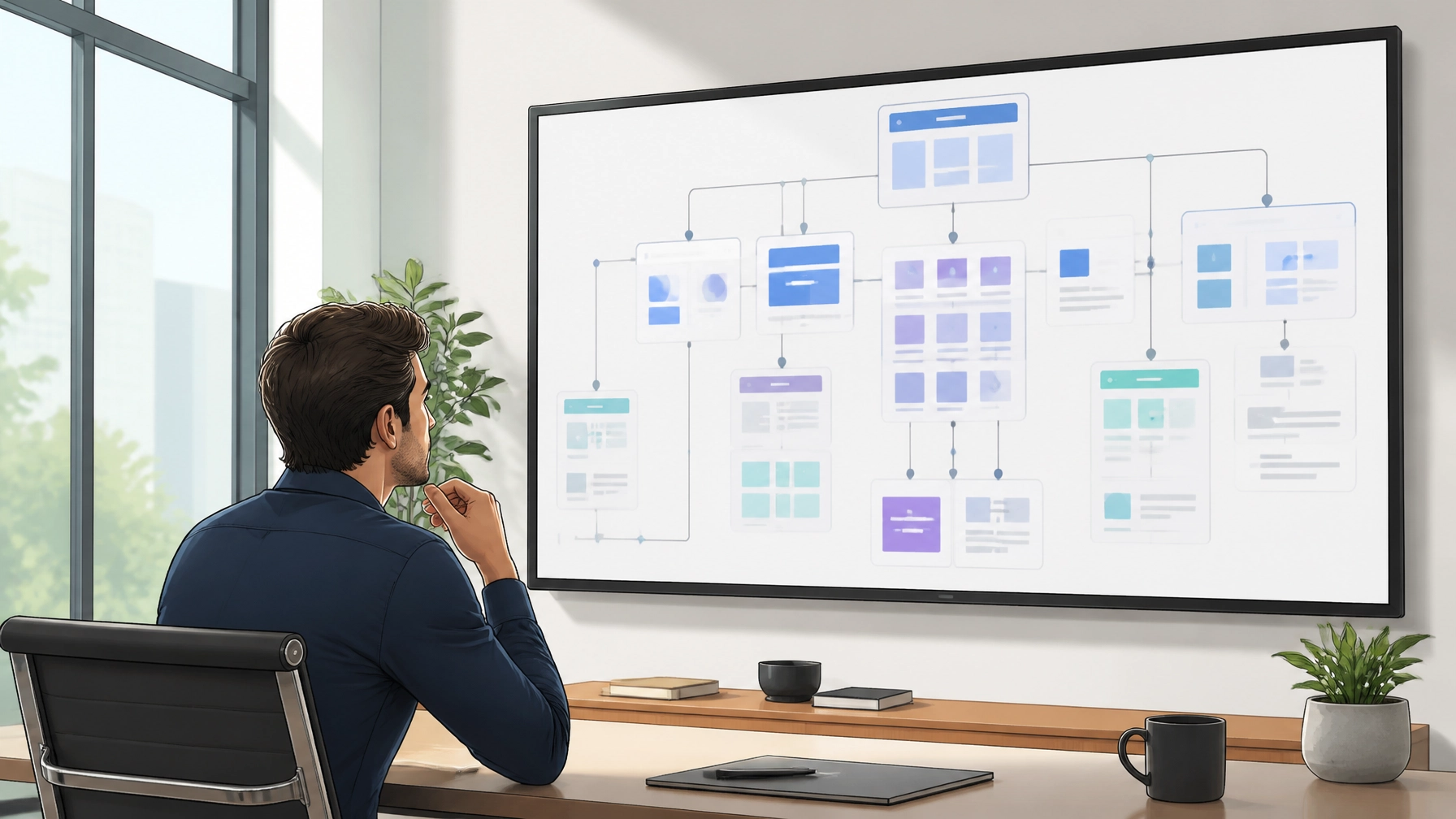
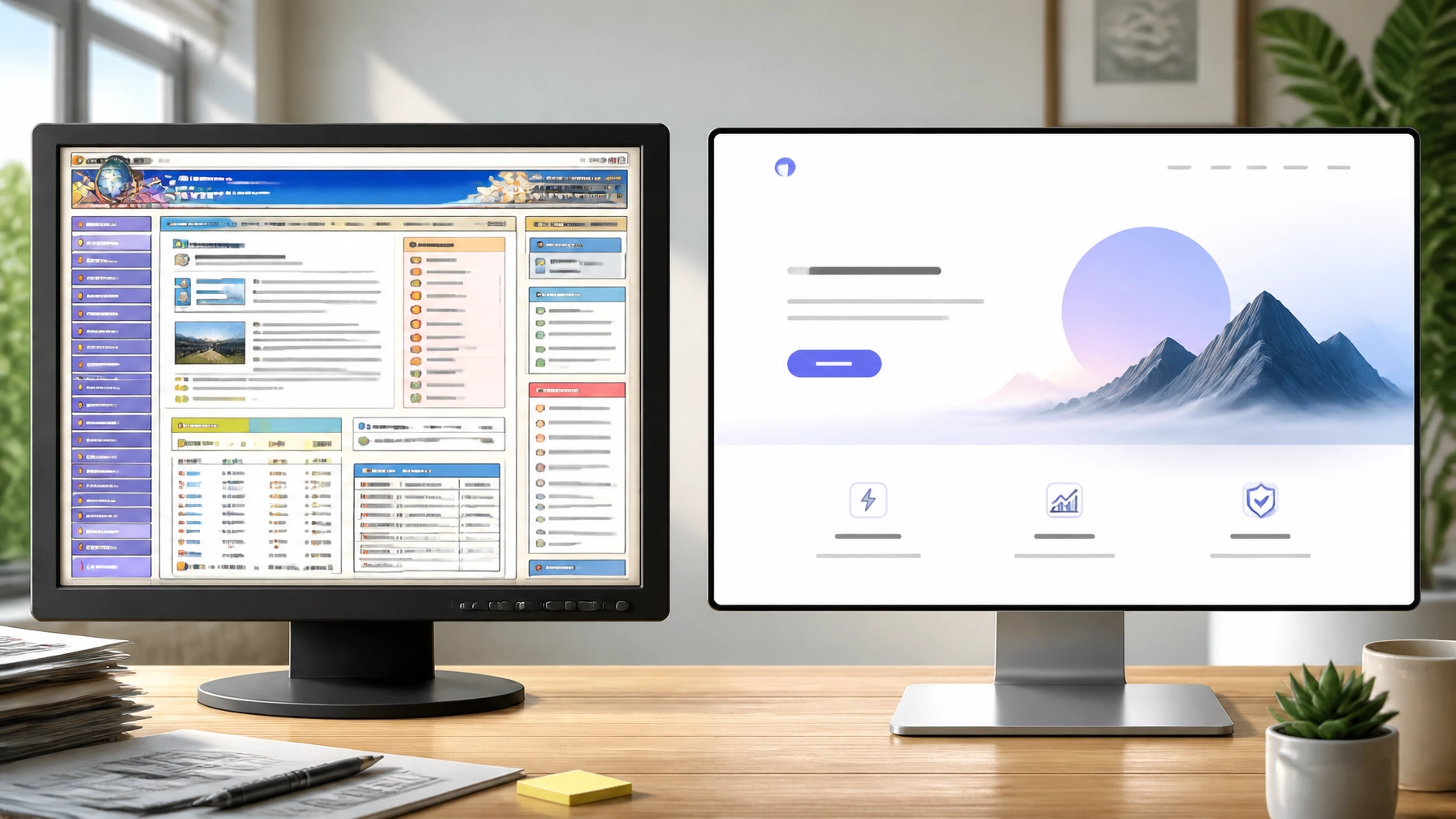
The era of the “all-in-one” website platform is rapidly coming to a close. For over a decade, businesses have relied on monolithic systems: large, heavy software suites that handle everything from content management to e-commerce and analytics under one roof. While these systems offered convenience, they’ve become the digital equivalent of a concrete foundation: sturdy, but impossible to move or adapt when the landscape shifts.
In 2026, the landscape isn’t just shifting; it’s being entirely rewritten by artificial intelligence. To stay competitive, your digital infrastructure must evolve from a rigid monument into a living, “composable” ecosystem. This modular approach allows you to swap, upgrade, and scale individual components without breaking the entire machine.
The Shift to Modular Mastery (MACH)
The architectural shift currently reshaping the web is known as MACH: Microservices, API-first, Cloud-native, and Headless. Instead of buying a single piece of software that tries to do ten things adequately, you select ten specialized “best-of-breed” tools that do one thing exceptionally well.
These tools communicate through APIs (Application Programming Interfaces), allowing your website to act as a central orchestrator. For a local service provider or a growing retailer, this means you can integrate a world-class AI booking engine today and replace your CRM tomorrow without a total site redesign.
| Feature | Monolithic Architecture | Composable Architecture |
|---|---|---|
| Flexibility | Low: Locked into one vendor’s roadmap | High: Swap any component at any time |
| Speed | Often slow due to “bloatware” | High: Lightweight and optimized for performance |
| AI Readiness | Requires plugins or updates from vendor | Native: Direct API integration with LLMs |
| Scalability | Must scale the entire system | Scale only the components that need it |
By adopting a website strategy rooted in composability, you ensure that your business remains agile. If a new AI-driven search tool emerges that your customers love, you can plug it in within days, rather than waiting months for a legacy platform to build a mediocre version of it.
Designing for AI Agents, Not Just Humans
For years, we’ve optimized websites for human eyes and Google’s search bots. While those remain critical, a third visitor has entered the chat: the AI Agent. Whether it’s a Large Language Model (LLM) like GPT-5, a personal shopping assistant, or a voice-activated bot, these agents are increasingly “reading” your site to provide answers to users.
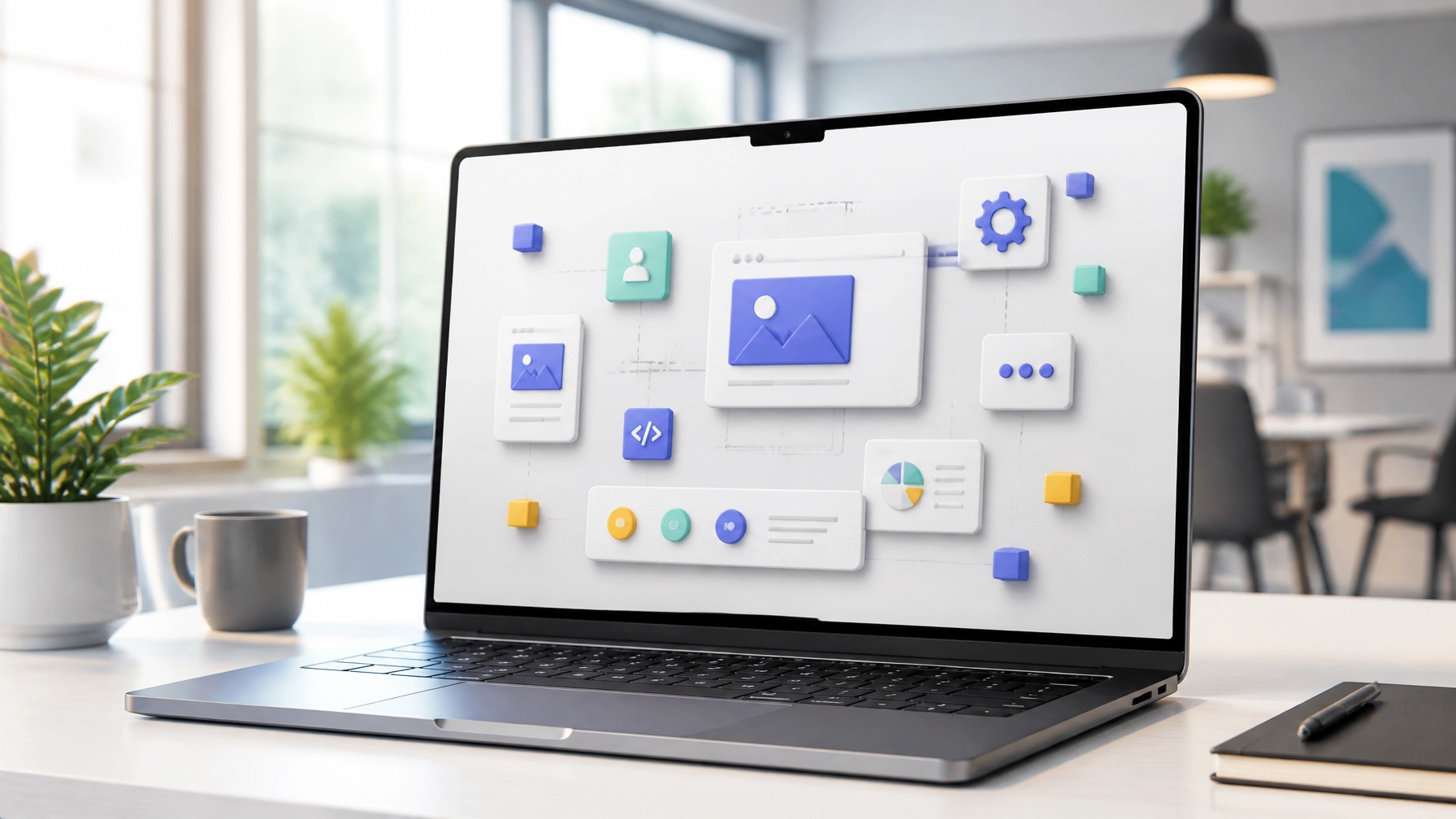
Building an AI-native infrastructure means ensuring your data is structured so these agents can ingest it accurately. This is where semantic markup and structured data (Schema.org) move from “nice-to-have” SEO tactics to “mission-critical” infrastructure.
“Research indicates that pages with proper schema markup allow LLMs to extract information approximately 30% more accurately than those without it.”
However, there is a balance to strike. While semantic tags help AI understand intent, excessive code “bloat” can eat up an AI’s context window: the amount of information it can process at once. The future of website optimization lies in “semantic minimalism”: using clean, valid HTML and JSON-LD to deliver high-density information with low-density code.
The Performance-First “Green Web”
In 2026, performance is no longer just about user experience; it’s about efficiency and sustainability. A composable, AI-native site is inherently faster because it only loads the code it needs for a specific interaction. This “performance-first” mindset has given rise to the “Green Web” movement.
Heavy, JavaScript-laden sites aren’t just slow: they are energy-intensive. As businesses face increasing pressure to report on digital sustainability, a lean, modular infrastructure becomes a competitive advantage. By decoupling the frontend (what the user sees) from the backend (the data), you can serve static, pre-rendered pages that load near-instantly and use a fraction of the server power.

This speed is the foundation of trust. When a local customer visits your site to book a service, a three-second delay can be the difference between a conversion and a bounce. In a world of instant AI answers, “fast” is the new “reliable.”
Strategic Adaptation: Where to Start?
Transitioning to a composable infrastructure doesn’t mean you have to scrap your current site overnight. Many businesses find success through a phased approach:
- Audit Your Current Stack: Identify which parts of your legacy system are slowing you down or preventing AI integration.
- Go Headless First: Start by decoupling your frontend. This allows you to modernize the user experience while keeping your existing backend data intact.
- Prioritize Semantic Data: Ensure your product lists, service areas, and FAQs are marked up with the latest Schema standards.
- Partner with Specialists: Building a modular system requires a different set of skills than maintaining a “drag-and-drop” site. Work with a digital growth consultancy that understands the intersection of architecture and ROI.
The goal isn’t just to build a website; it’s to build a digital asset that grows more valuable as technology evolves.
The Future is Adaptive
We are moving toward a web that isn’t just a collection of pages, but a network of intelligent data nodes. Your website will soon need to adapt its layout in real-time based on whether the visitor is a human using a screen, a person using a voice assistant, or an AI bot gathering data for a comparison.
By investing in a composable, AI-native foundation today, you aren’t just following a trend. You are future-proofing your business against the next decade of digital transformation. At Trust Media, we specialize in helping local and national brands navigate these emerging technologies to build infrastructure that actually moves the needle.
What is composable architecture exactly?
It is a modular approach to web development where different parts of a website (like the shopping cart, the content, and the search bar) are handled by separate, specialized services connected via APIs. This is the opposite of a “monolithic” system where one software tries to do everything.
Does my business need to switch to a “headless” site?
If you find that your current website platform is slow, difficult to update, or doesn’t integrate well with modern AI tools, switching to a headless architecture can provide the speed and flexibility you need to grow.
How does semantic markup help with AI?
AI agents and LLMs use semantic markup (like Schema.org) to understand exactly what the information on your page means. For example, it tells the AI that “$99” isn’t just a number, but the price of a specific “Emergency HVAC Repair” service.
Is this only for large enterprises?
Not anymore. While large companies were early adopters, the tools for composable architecture have become much more accessible for local service businesses and mid-market brands that want to dominate their local search results and provide a better customer experience.
What is “Green Web” design?
It refers to building websites that are highly efficient, requiring less processing power and energy to load. This is achieved through clean code, optimized images, and modular architectures that don’t load unnecessary “bloatware.”
Can I keep my current WordPress site and go composable?
Yes. You can use WordPress as a “headless” CMS, meaning you keep the easy-to-use editor for your team but use a modern, faster frontend to display the content to your users and AI agents.