The most valuable search real estate in 2026 doesn’t have a click-through rate. It has a citation.
For two decades, the goal of search engine optimization was simple: climb the ten blue links, get the click, and land the visitor on your page. But the architecture of the internet has shifted beneath our feet. Today, users aren’t just looking for links; they are looking for answers. And those answers are being synthesized, summarized, and served by AI systems like Google’s AI Overviews, Perplexity, and ChatGPT.
In this new landscape, your primary objective isn’t just to rank. It is to be cited. We have entered the Citation Economy, a period where visibility is defined by how often and how reliably an AI system chooses your brand as its primary source of truth.
The Shift from Ranking to Synthesis
Traditional SEO treated Google like a librarian who pointed you to a book. Modern SEO treats the search engine like a researcher who reads all the books and writes a summary for you. If your “book” isn’t referenced in that summary, you effectively don’t exist for the majority of users.
This transition from a list-based economy to a synthesis-based economy means the “Share of Answer” is the new market share. When an AI summarizes the “best HVAC contractors in Chicago,” it pulls from a cluster of sources it trusts. Being one of those 3 to 5 cited sources is now significantly more valuable than being the #6 organic link that gets buried beneath the AI panel.
In practice, this means we have to move beyond keyword placement. We are now optimizing for information gain, providing unique, factual data that an AI can easily extract and attribute to your brand.
Comparing the Two Eras of Visibility
To understand how to navigate this shift, you have to recognize the fundamental differences in how success is measured and achieved. The tactics that worked in 2021 are still foundational, but they are no longer sufficient.
| Primary Goal | Traditional SEO (Ranking) | Citation SEO (Being Referenced) |
|---|---|---|
| Success Metric | Search Engine Result Page (SERP) Position | Share of Answer / Citation Rank |
| Content Strategy | Keyword density and long-form volume | Factual clarity, FAQ structure, and info gain |
| Technical Focus | Indexability and page speed | Schema markup and entity clarity |
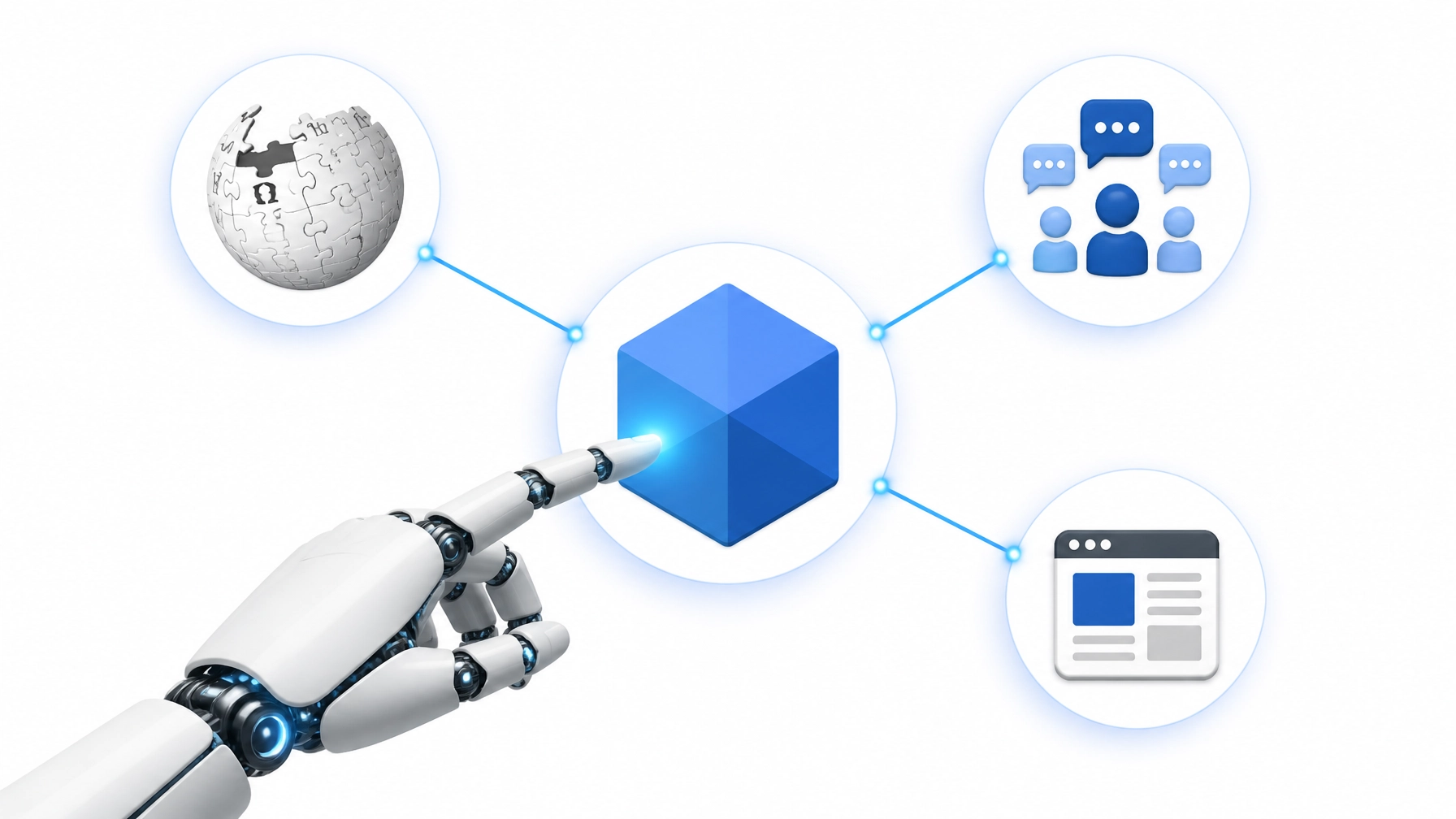
| Authority Signal | Backlink quantity and domain rating | External trust graph (Wikipedia, Reddit, News) |
| User Journey | Click → Land → Convert | Cite → Validate → Trust → Search Brand |
The Mechanics of AI Trust
AI systems don’t “choose” favorites based on a gut feeling. They follow a rigorous, data-driven trust graph. Research into AI search behavior in 2026 has shown that these engines prioritize sources that are externally validated and structured for quick extraction.
“A Seer Interactive study found that while AI Overviews can drive traditional organic CTR down by over 60% for some queries, brands cited inside the AI panel see a 35% higher organic CTR. Essentially, the citation acts as a massive endorsement that transfers trust directly to the brand.”
This means that your off-page presence, where your brand is mentioned across the web, now dictates your on-page performance. If Reddit, Wikipedia, and major industry publications aren’t talking about you, the AI has no reason to cite you as an authority.
Practical Strategies for the Citation Economy
So, how do you actually win these citations? It starts with changing how you present information to the world. Here are three tactical shifts you can implement today.
1. The “Answer-First” Content Structure
Most business blogs are written with a long lead-in. You might spend 300 words “setting the stage” before answering the reader’s question. In the Citation Economy, this is a death sentence.
AI crawlers look for the most concise, accurate answer to a query. We recommend leading your most important pages with a “TL;DR” or a direct 40–60 word summary. This makes it incredibly easy for an AI to scrape your content, quote you, and provide a citation link back to your site. This is a core component of strategic content depth that builds long-term authority.
2. Leveraging Advanced Schema and Entity Clarity
Technical SEO in 2026 is less about “fixing broken links” and more about “defining entities.” By using FAQ schema, Product schema, and Local Business schema, you are essentially providing a map for the AI.
For example, a local service business that uses consistent Name, Address, and Phone (NAP) data across the web, paired with clear FAQ schema on their service pages, is significantly more likely to be cited in a “near me” AI overview. The AI isn’t guessing if you’re open; it’s reading the structured data you provided.
3. Building an External Trust Graph
Since AI engines like Perplexity and ChatGPT pull heavily from platforms like Reddit and industry-specific forums, your brand needs to be present in those conversations. This isn’t about spamming links. It’s about being the source of helpful, cited information in those communities.
If your brand is mentioned as a solution in a highly-upvoted Reddit thread, that thread becomes a “trust signal” for the AI. When the AI is asked for a recommendation, it sees the community validation and cites your brand as a result.
Case Study: The Local Service Win
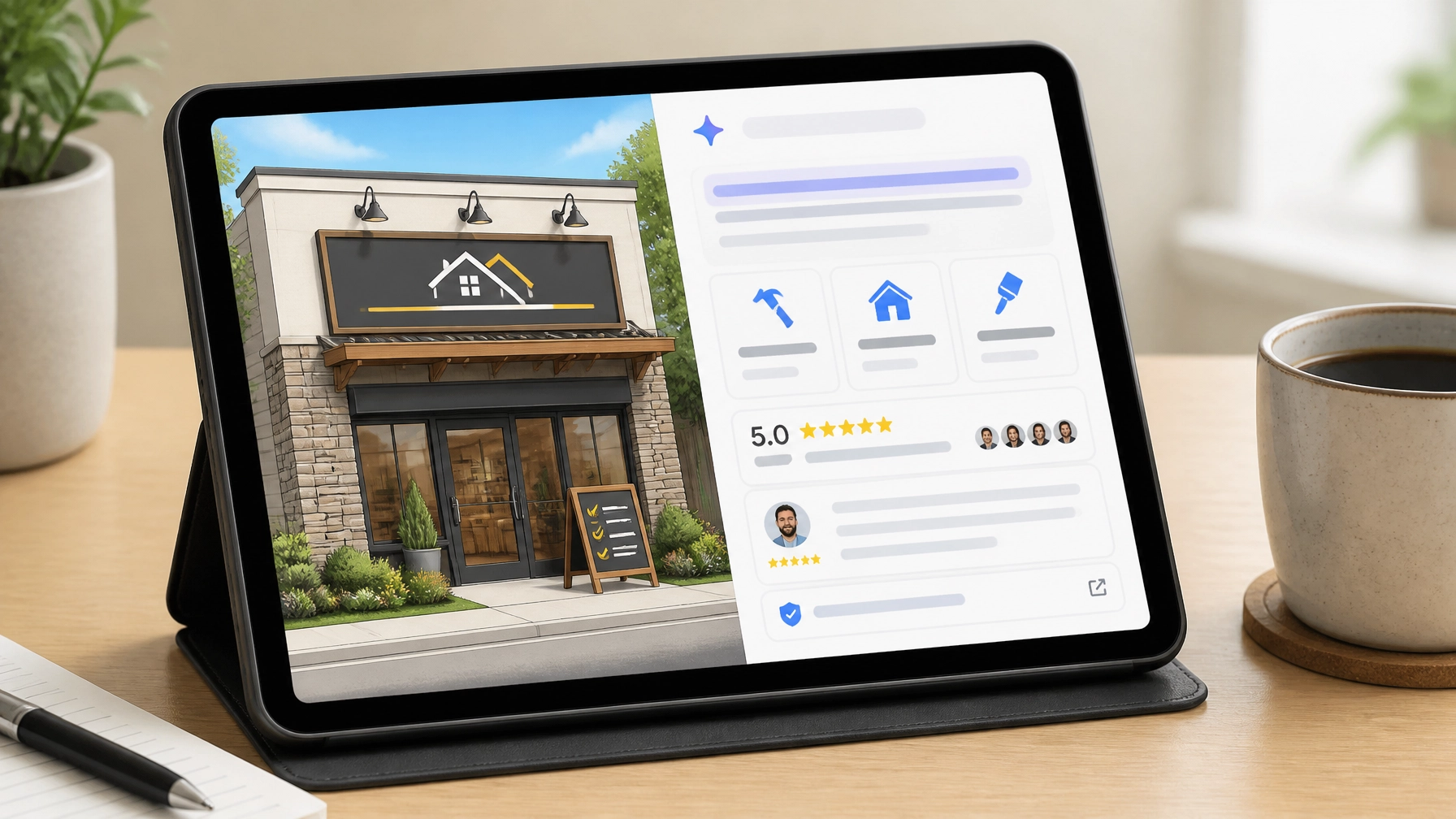
Consider a neighborhood roofing contractor. Traditionally, they fought for “Roofing Chicago” rankings. In 2026, they shifted their focus to “Answer Engineering.” They created a page specifically answering “How much does a roof replacement cost in Chicago in 2026?” with a clear table of costs and a list of variables.
Because their information was structured, clear, and cited local permit data, Google’s AI Overview began using their table as the primary answer for that query. Even though they weren’t the #1 organic link, they were the only source cited in the AI summary. This resulted in a massive surge of “brand-direct” searches, people looking for them by name after seeing the AI citation.
Measuring What Matters
As we move deeper into this era, your analytics and reporting must evolve. Tracking “rankings” is no longer enough. You need to track “Share of Answer.”
How often does your brand appear in the AI summary for your top 50 keywords? What is the sentiment of those AI summaries? These are the “decision signals” that will determine your growth in the coming years.

The Path Forward: From Keywords to Clarity
The Citation Economy can feel overwhelming because it requires you to give up the illusion of control. You can’t “force” an AI to cite you. You can only make yourself so clear, so authoritative, and so well-referenced that it would be a mistake for the AI not to cite you.
Focus on clarity. Focus on structure. Focus on being the most helpful source in your niche. When you stop chasing the algorithm and start building a trust graph, the citations, and the revenue, will follow.
The shift from rankings to citations doesn’t replace strong SEO fundamentals. It raises the standard for how clearly, credibly, and consistently your business shows up across the web. If you build content that answers real questions, structure it so machines can understand it, and strengthen the signals that validate your expertise, you’ll be in a far better position to earn visibility in the search experiences that matter now. With that foundation in place, let’s answer a few common questions.
How has AI changed the way I should write blog posts?
You should lead with direct answers, use clear headings (H2s and H3s), and include structured data like FAQs. AI search engines prefer content that is easy to summarize and cite.
Do backlinks still matter in 2026?
Yes, but their role has shifted. Instead of just “passing juice,” they now act as trust signals in an “external trust graph.” AI engines use backlinks to verify that other authoritative sites trust your information.
What is “Share of Answer”?
Share of Answer is a metric that measures how often your brand is cited in AI-generated responses (like Google AI Overviews or Perplexity) compared to your competitors for a specific set of keywords.
Can a small local business compete with big brands for AI citations?
Absolutely. AI systems often prefer local, specific, and fresh data. By using Local Business schema and providing highly specific local insights, a small business can often be cited over a generic national competitor.
Does “brand mention” without a link help my SEO?
In the Citation Economy, yes. AI systems can associate your brand name with specific expertise even without a direct hyperlink. These “unlinked mentions” help build your brand’s authority in the AI’s knowledge base.