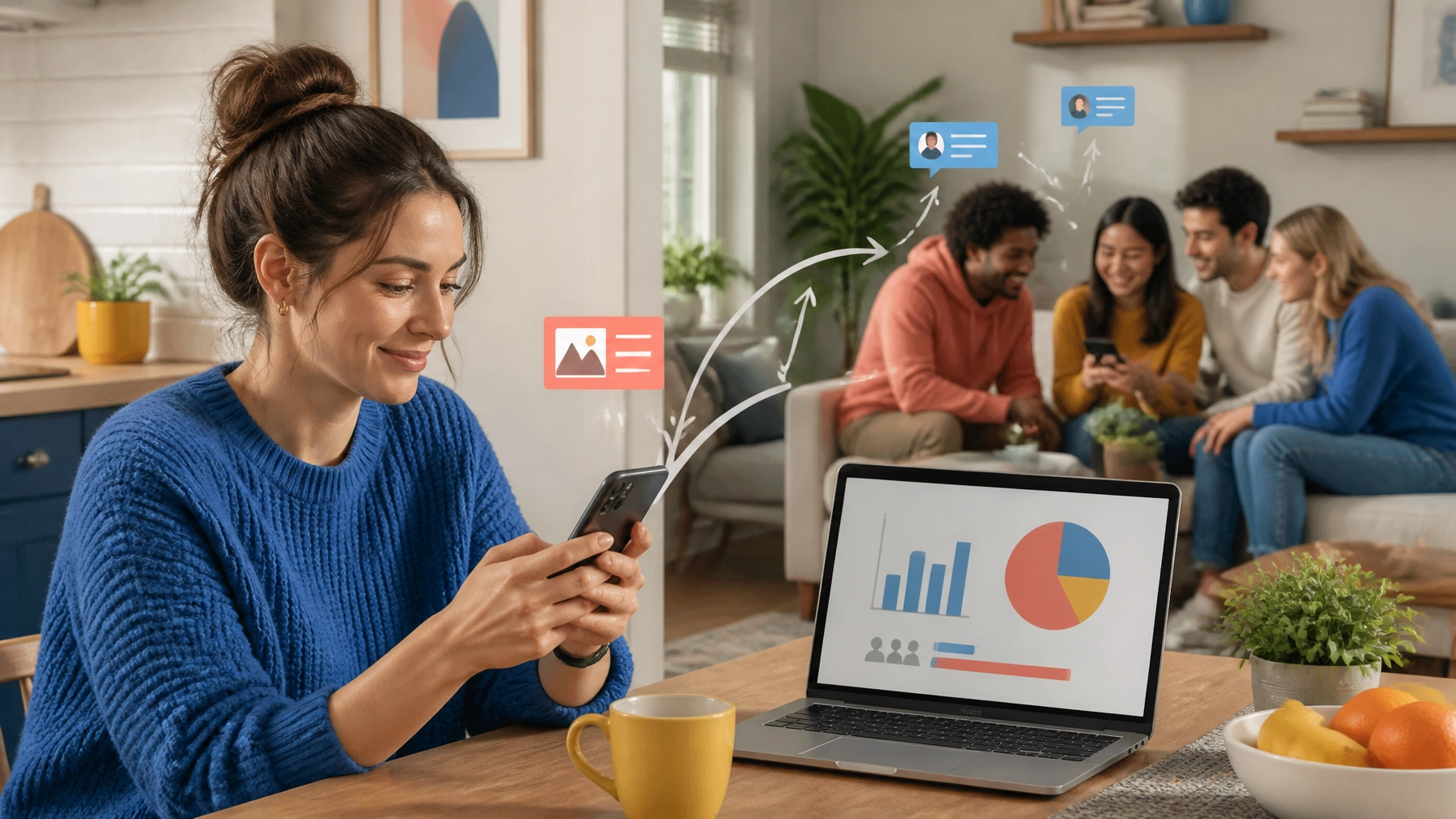
You’ve likely felt it yourself: that glazed-over sensation where you’ve been scrolling for twenty minutes and couldn’t recall a single thing you saw. This isn’t just “scrolling”, it’s the numb scroll. In 2026, the digital landscape has shifted from a place of active connection to a battleground of cognitive overload. Your audience isn’t just busy; they are strategically ignoring you to protect their own mental energy.
For brands, the old mantra of “post more to stay relevant” has officially backfired. When everyone is shouting into the same digital void, the loudest person isn’t the one who gets heard; it’s the one who provides a reason for the listener to stop walking. To win in this environment, you have to move past the metrics of visibility and start understanding the psychology of presence.
The Content Fatigue Crisis: Why They Are Tuning Out
The data is clear: we have reached a point of diminishing returns on content volume. Recent studies show that approximately 32% of social media users report significant fatigue, leading to burnout and a conscious decision to disengage. For the younger demographic, specifically Gen Z, the attention window for a single social post has collapsed to a staggering 6.5 seconds.
| Metric | 2024 Benchmark | 2026 Reality |
|---|---|---|
| Gen Z Attention Span | 8.2 seconds | 6.5 seconds |
| User Burnout Rate | 21% | 32% |
| Short-Form Completion (Sub-15s) | 68% | 76% |
| Daily Media Time Growth | Increasing | Stagnant/Fixed |
This stagnation in “total media time” means that for you to gain a minute of your customer’s attention, you have to steal it from someone else. It is a zero-sum game where the currency isn’t just time, but emotional capacity.
“Social media is increasingly described by users as ‘exhausting,’ with feeds saturated with optimization, branding, and visibility plays.” , Pulsar Platform, 2026 Research Report.
Decoding the “Platform-Hopper” Mentality
Audiences are no longer loyal to a single platform; they are loyal to their own needs. We see a behavior called “platform-hopping,” where users switch between 6 or 7 different apps per month, not because they love the apps, but to manage their own exposure.
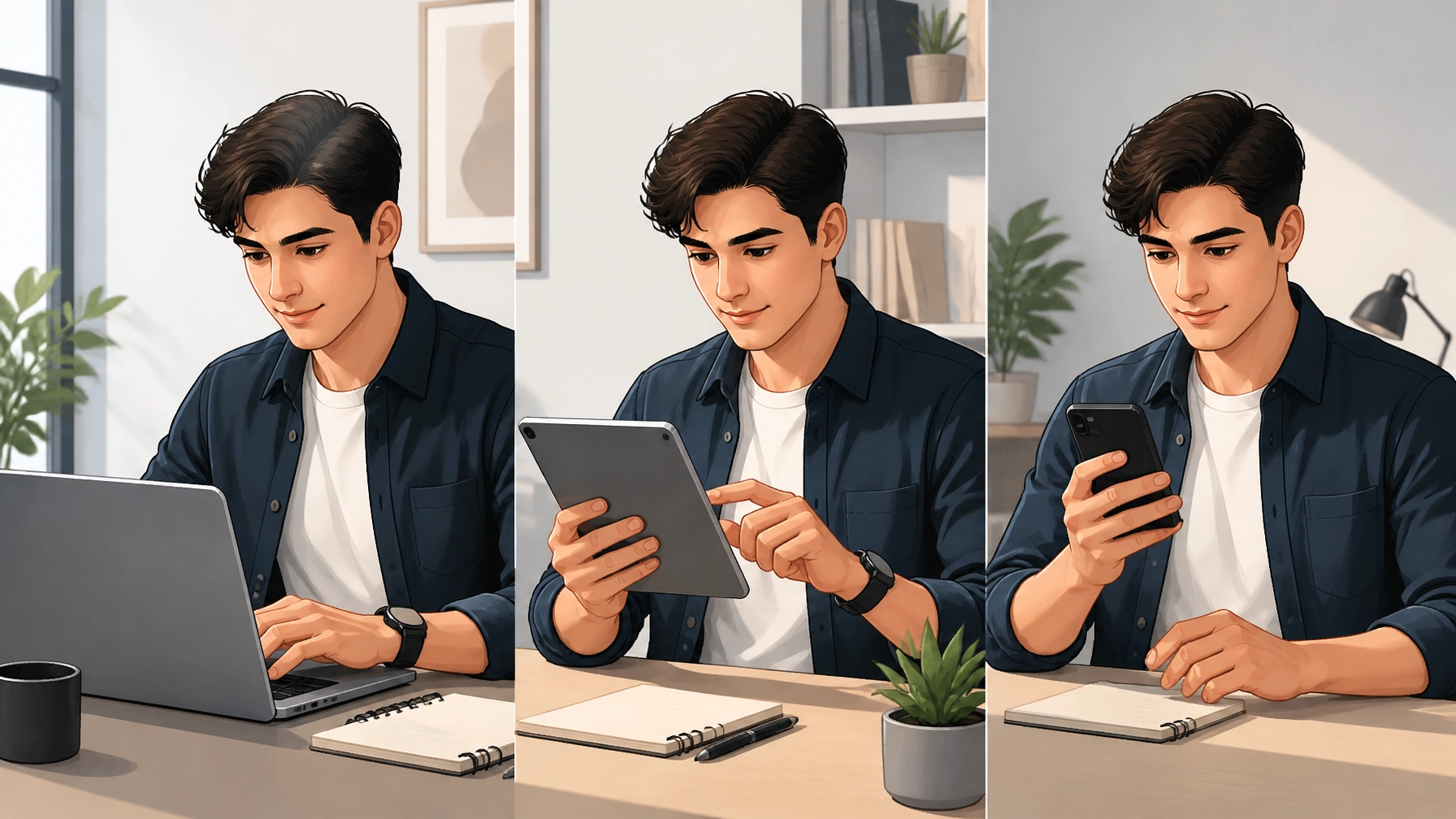
That said, these shifts are highly intentional. Here’s how the psychology differs across the modern landscape:
- Learning & Intent: On platforms like LinkedIn or YouTube, users “lean in.” They are there to solve a problem or grow a skill.
- Discovery & Search: TikTok has morphed into a search engine. Users go there for recommendations, what to buy, where to eat, and how to fix things.
- Presence & Calm: Many users are migrating toward spaces that feel low-pressure, prioritizing “cozy” vibes over high-intensity stimulation.
When a brand treats every platform the same, they fail to align with the user’s why. If you’re pushing a high-energy, “limited time offer” ad in a space where someone is looking for “calm,” you aren’t just ignored, you’re resented.
The Rise of “Dark Social” and Private Conversations
One of the most significant shifts we’ve observed at TrustMedia is the migration of real decision-making into the shadows. We call this “Dark Social.” This includes DMs, private Discord servers, WhatsApp groups, and closed Facebook communities.

Public likes and comments are no longer the primary indicators of a brand’s health. In fact, a post with zero comments might be driving dozens of screenshots shared in private family chats. This is where the actual purchase intent lives. If your content marketing strategy only optimizes for public-facing metrics, you are missing the heartbeat of your business.
Why Brand Content Fails: The “Sameness” Trap
Most brands are suffering from a “rising tide of sameness.” AI-generated scripts, identical trending audio, and the same “day in the life” formats have numbed the audience. In practice, the human brain is wired to filter out repetitive patterns to save energy.
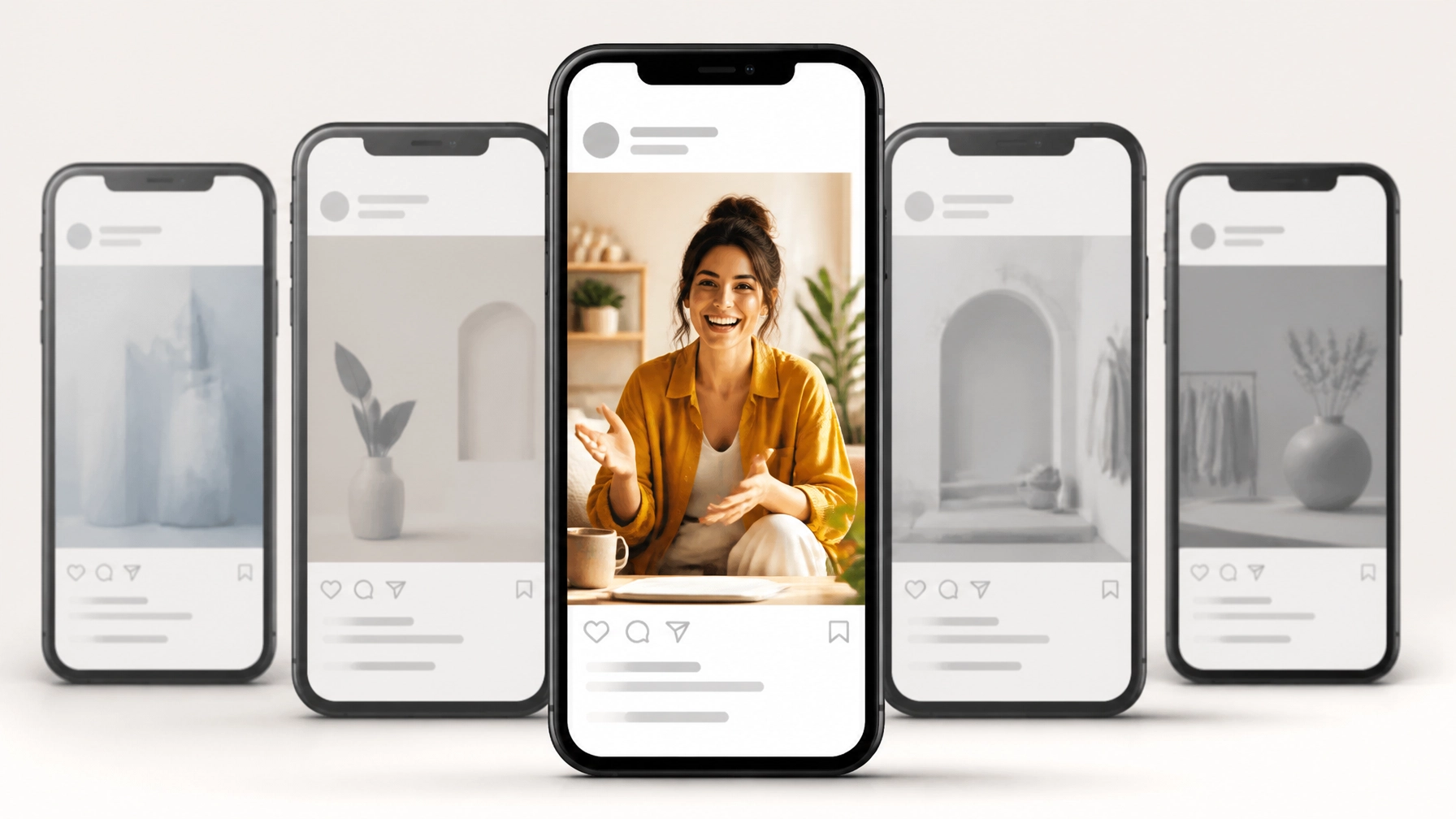
When your social media management looks exactly like your competitor’s, you aren’t building a brand; you’re just adding to the noise. Authenticity in 2026 isn’t about being perfect; it’s about being recognizable. This is why creator-led content is currently outperforming traditional ads by such a massive margin, humans trust other humans more than they trust logos.
Strategizing for Resonance, Not Just Reach
To break through the fatigue, you must pivot from “broadcasting” to “resonating.” Here is how you can practically apply these insights:
- Prioritize Meaning Over Hook: While a “hook” gets the first 2 seconds, “meaning” gets the next 60. If you don’t deliver value immediately, you lose them.
- Align with the Platform Intent: Stop cross-posting identical videos. A “cozy” tutorial belongs on TikTok; a high-level strategic insight belongs on LinkedIn.
- Encourage “Shareability” Over “Likeability”: Ask yourself: Is this worth a screenshot? If someone wants to send your content to a friend in a DM, you’ve won.
- Invest in Human Voices: Whether it’s your CEO or a local creator, put a face to the brand. People connect with the struggle and the story, not the product spec sheet.
- Audit Your Digital Advertising: If your ads feel like interruptions, they are. They should feel like solutions or native entertainment.
At the end of the day, social media is a reflection of human behavior. People aren’t checking out; they are just getting better at choosing where to lean in. By understanding the psychology of modern engagement, you move beyond the scroll and into the actual lives of your customers.
Does posting more frequently help overcome content fatigue?
No, in fact, it often worsens it. High-frequency posting of low-value content trains your audience to ignore you. In the current landscape, quality and relevance far outweigh volume. One deeply resonant post per week is more effective than five generic ones.
How do we measure success if everyone is moving to private DMs?
You should look at “shares” and “saves” as leading indicators over “likes.” Additionally, use click-through rates and direct attribution to see if social traffic is converting on your site. If people are talking about you in private, you’ll see it in your referral traffic and direct search volume.
What is the best way to keep a brand “human” on social media?
Use your own team and real-world scenarios. Avoid overly polished studio shoots for every post. Show the process, the mistakes, and the people behind the service. If you can make your audience feel like they know the person behind the screen, the fatigue disappears.
Is short-form video still the best format for engagement?
It is the best for attention capture, but not always for conversion. Short-form video under 15 seconds is great for visibility, but longer-form content or community-based interaction is where the actual trust and loyalty are built.
How can local businesses compete with national brands on social?
By leaning into the “local” advantage. A national brand cannot talk about the local high school football game or the new park down the street. Use your specific community context to create relevance that a massive corporation can never replicate.