You’ve likely felt it yourself: the involuntary thumb-swipe the moment a video feels “too much like an ad.” In 2026, the digital landscape has reached a saturation point where the traditional “one-off” influencer shoutout doesn’t just underperform; it often actively erodes the trust you’ve worked so hard to build. As audiences become increasingly sophisticated at sniffing out transactional relationships, the most successful brands are shifting their strategy from individual campaigns to long-term “creator equity.”
The era of chasing viral spikes through hundred-person “seeding” lists is being replaced by a more surgical, relationship-driven approach. To win today, you have to move beyond the transaction and start engineering long-term trust. This isn’t just about finding people with high follower counts; it’s about navigating the complex psychology of modern attention and the rising “Authenticity Paradox.”
The Authenticity Paradox: Why Polished is the New “Fake”
We are currently living through a strange shift in consumer behavior. On one hand, data shows that users demand high-quality, high-value content. On the other, there is a visceral rejection of anything that looks “too perfect.” This is the Authenticity Paradox: the more a brand tries to appear authentic by using high-end production to mimic “relatability,” the more artificial it feels to the audience.

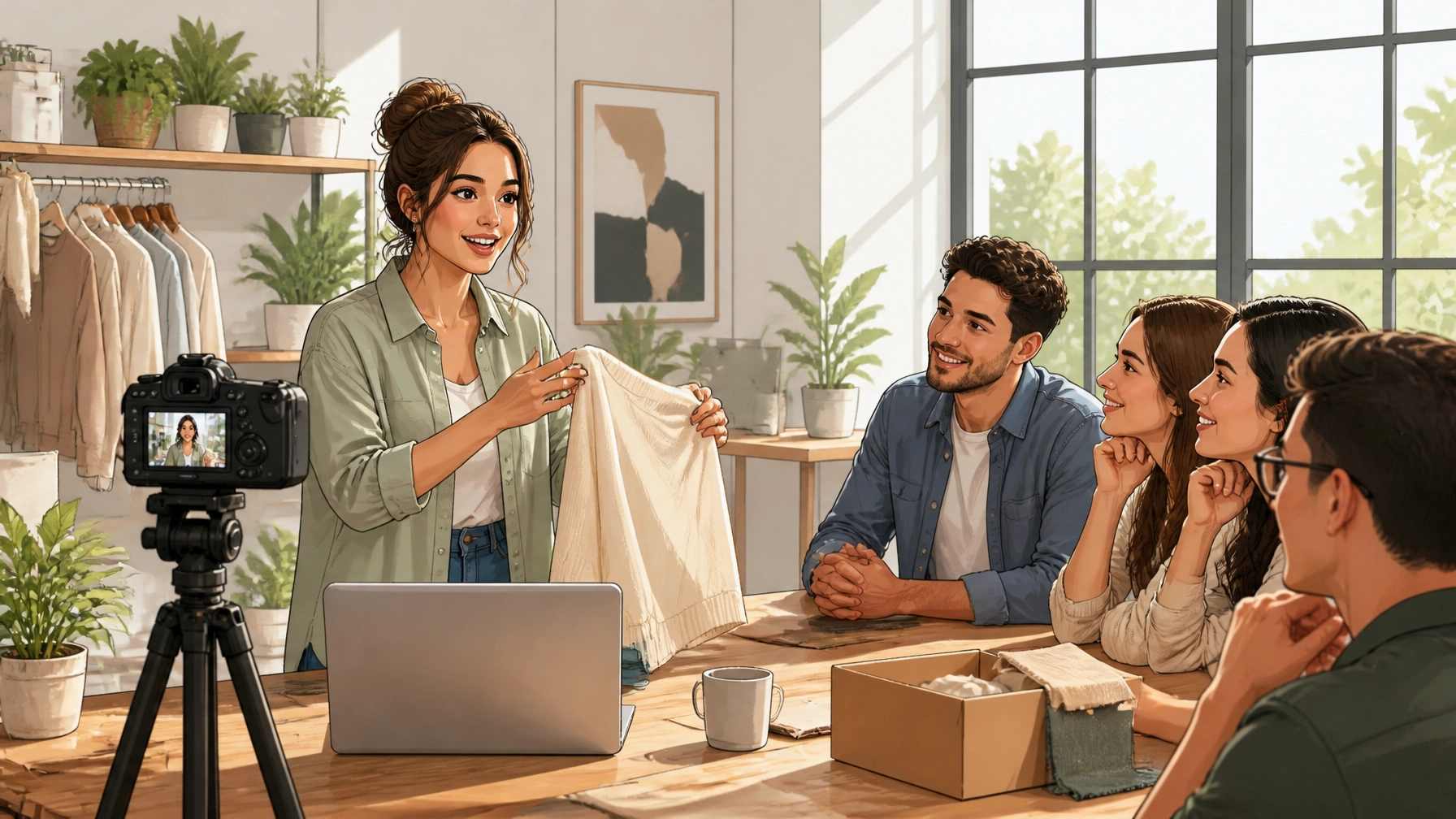
In practice, this means your social media management strategy needs to embrace the “unpolished” reality of how people actually use your products. When a creator shows your service or product in a slightly messy kitchen or a busy office, it signals to the viewer that the product actually fits into a real life: not just a curated set.
“By 2026, creator-led commerce is expected to grow by 28% annually, but the lion’s share of that revenue is shifting toward creators who prioritize ‘visible trade-offs’, honestly discussing what a product doesn’t do as much as what it does.” : Creator Economy Insights Report 2026
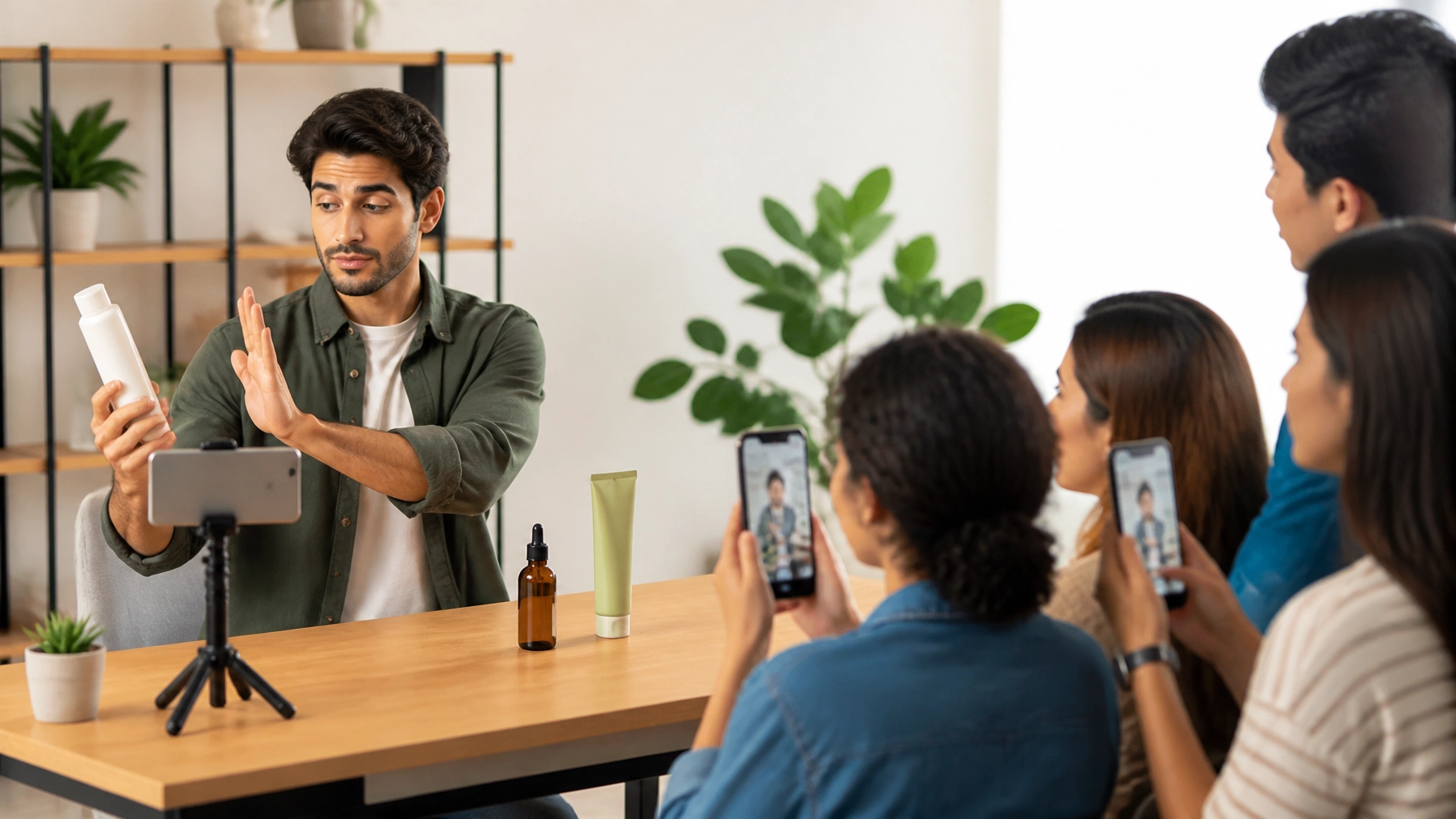
When you allow your partners to be honest, you unlock a level of credibility that a scripted testimonial can never reach. This shift is essential because content fatigue has made “ad blindness” a default state for most users.
Fighting Content Fatigue with Serialized Storytelling
Struggling to stand out in a feed that is constantly refreshed by AI-assisted content is a common pain point for modern businesses. The solution isn’t to post more often; it’s to post more meaningfully. Content fatigue happens when a user sees a brand mentioned by ten different creators in the same week, only for that brand to disappear from their feeds a week later. It feels like a “hit and run” marketing tactic.
By contrast, long-term ambassador programs create a “narrative arc.” When a creator mentions your brand once a month for a year, it moves from being an “ad” to being part of that creator’s lifestyle. This consistency signals to the audience that the partnership is genuine. It transforms your influencer marketing from a series of interruptions into a recurring guest appearance in the audience’s daily digital life.
| Feature | One-Off Transactional Deals | Long-Term Ambassador Programs |
|---|---|---|
| Trust Factor | Low (Perceived as “Paid for”) | High (Perceived as “Partnered with”) |
| Audience Reach | Wide but shallow | Targeted and deep |
| Conversion Path | Single-touch (Low conversion) | Multi-touch (High conversion) |
| Content Quality | Scripted and generic | Nuanced and lifestyle-integrated |
| ROI Measurement | Hard to track beyond the spike | Clearer LTV and attribution |
| Cost Efficiency | High CPM, high churn | Lower long-term CPA, higher retention |
The Dark Social Revolution: Influence Where You Can’t See It
While public metrics like likes and comments are easy to track, they often tell only half the story. In 2026, the most valuable brand conversations are happening in “Dark Social”: private DMs, WhatsApp groups, Discord servers, and “Close Friends” stories. This is where the real “buy” decisions are made.
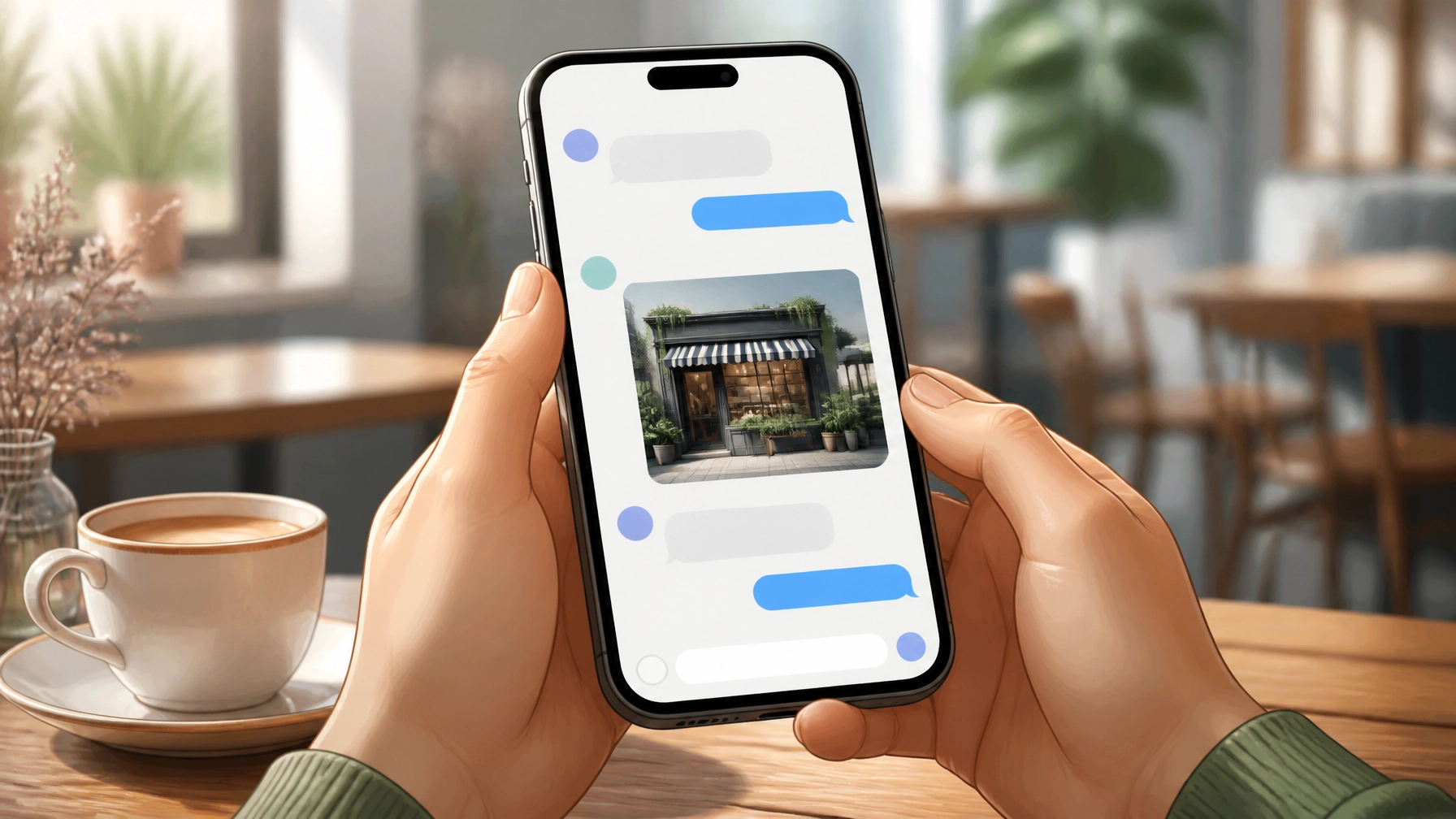
When a friend sends a TikTok clip of a creator they trust to a group chat, that recommendation carries ten times the weight of a sponsored post appearing in the main feed. To tap into this, you need to create “sendable” content. This means moving away from broad brand manifestos and toward highly specific, helpful, or entertaining micro-moments.
If you are running digital marketing campaigns, ensure your creators are encouraged to build “micro-assets”: short, high-impact clips that are designed to be shared in private chats. These assets often drive the highest quality leads because they arrive with a personal endorsement from a peer.
Building Creator Equity and Long-Term Partnerships
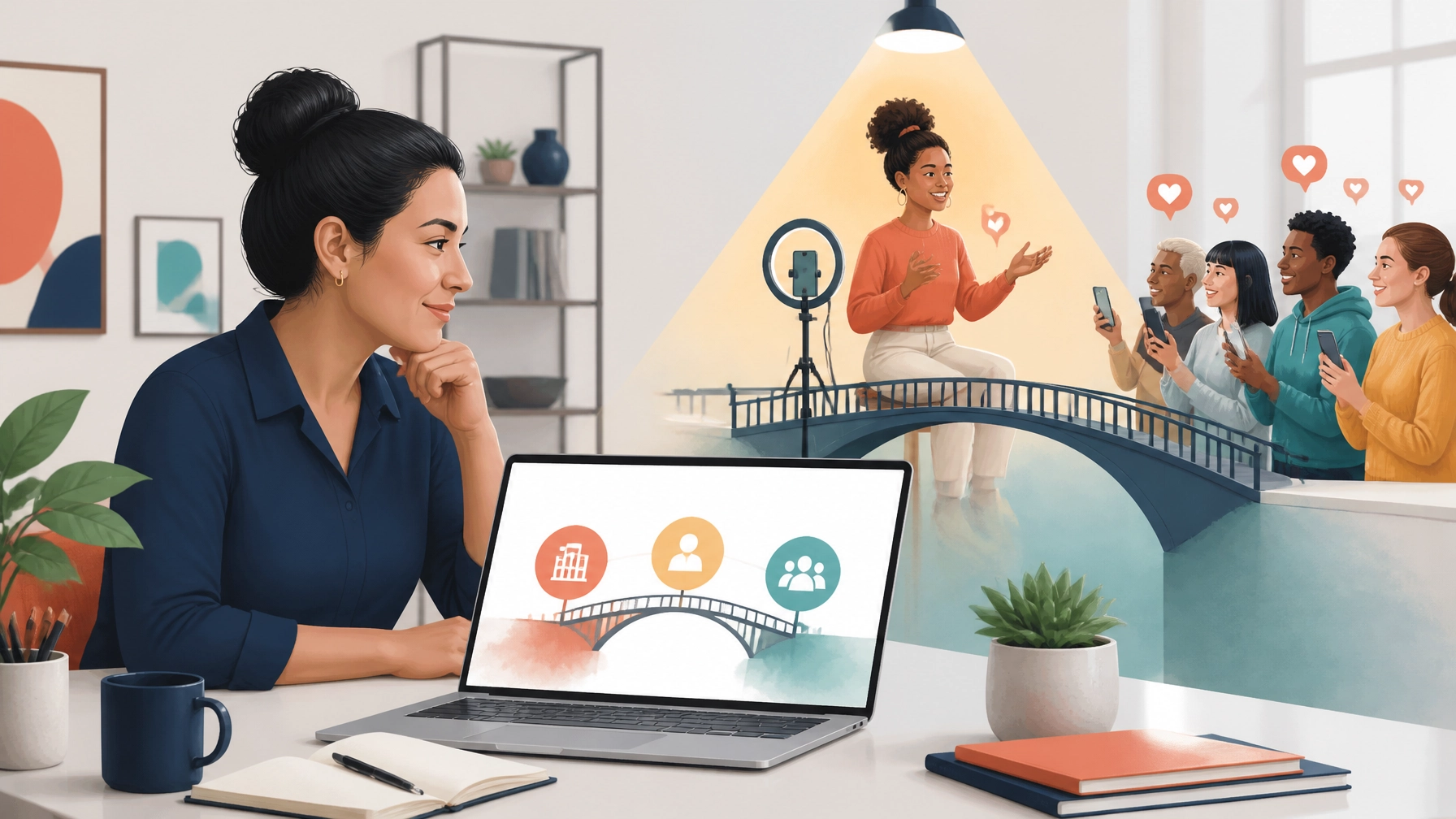
The goal for any forward-thinking brand should be “Creator Equity.” This is the cumulative value of your brand’s reputation within a creator’s community over time. You don’t build this by sending a one-time payment for a 30-second shoutout. You build it by treating creators as strategic consultants.

Instead of handing over a rigid script, try inviting your top-performing partners into your product development or marketing strategy sessions. Ask them: “How would your audience actually use this?” or “What is the biggest objection your followers have about our industry?” This level of collaboration ensures the content they produce is naturally aligned with their voice, which effectively solves the authenticity paradox mentioned earlier.
That said, long-term partnerships also require better backend infrastructure. You’ll need robust tracking: not just for the first click, but for the lifetime value of the customers brought in by that creator. This is where integrating your social efforts with your broader ecommerce marketing strategy becomes vital.
The Rise of Micro-Communities
As the “big” social feeds become more crowded and commercialized, audiences are retreating into smaller, niche-focused micro-communities. These are the Subreddits, the specialized Facebook groups, and the niche Discord servers where enthusiasts gather to discuss specific topics: from local home renovation to specialized medical tech.

For local service-based businesses, this is where the real gold is. A recommendation in a “Local Moms” group or a “Contractor Referral” thread is worth more than a thousand generic impressions. Modern influencer marketing in 2026 isn’t just about the “big” names; it’s about finding the “connectors” within these micro-communities. These are people who may only have 2,000 followers, but those 2,000 people take their word as gospel.
By identifying and nurturing relationships with these community pillars, you can dominate your local market without needing a massive advertising budget. It’s about depth of influence, not breadth of reach.
Navigating the Future of Digital Attention
Ultimately, winning in the current landscape requires a mindset shift. You are no longer just “buying ads”; you are participating in a culture. Whether you are focusing on content marketing or heavy-hitting paid social, the core principle remains the same: respect the audience’s time and intelligence.
If your strategy feels like a series of disjointed one-offs, you will always be fighting content fatigue. But if you build a foundation of long-term partnerships, prioritize dark social shareability, and lean into the messy reality of authentic content, you will build a brand that doesn’t just get seen: it gets trusted.
How do I know if my content is suffering from content fatigue?
If you notice a steady decline in your engagement rate despite keeping your posting frequency the same, or if your “share” count is significantly lower than your “like” count, you are likely hitting a wall of fatigue. This often happens when content becomes predictable or follows a formula that your audience has already “decoded.”
Why should I prioritize long-term partners over new influencers?
Long-term partners understand your brand’s nuances and have already built a “pre-approved” trust with their audience regarding your products. Over time, the cost per acquisition (CPA) typically drops because the audience requires fewer “touches” to convert when they see the product used consistently over months rather than in a single, isolated post.
What exactly is “Dark Social” and how do I track it?
Dark Social refers to social sharing that happens through private channels like DMs, email, or messaging apps. You can track this by using unique, creator-specific discount codes or “vanity” URLs that aren’t indexed by search engines. Additionally, monitoring “Direct” traffic spikes during a creator campaign can give you a proxy for how much sharing is happening behind the scenes.
Does “unpolished” content mean it should look low-quality?
Not at all. “Unpolished” refers to the vibe and setting, not the technical quality. The lighting should still be clear and the audio must be excellent, but the scenario should feel lived-in and real. It’s the difference between a high-definition video of a real person using a product in their actual home versus a commercial filmed on a sterile white background.
How do I find the right micro-communities for my business?
Start by looking at where your existing best customers “hang out” online. Check local community groups, specialized forums, and niche hashtags on platforms like Instagram or TikTok. Look for the individuals who are consistently answering questions and providing value in those spaces( they are your ideal micro-influencers.)