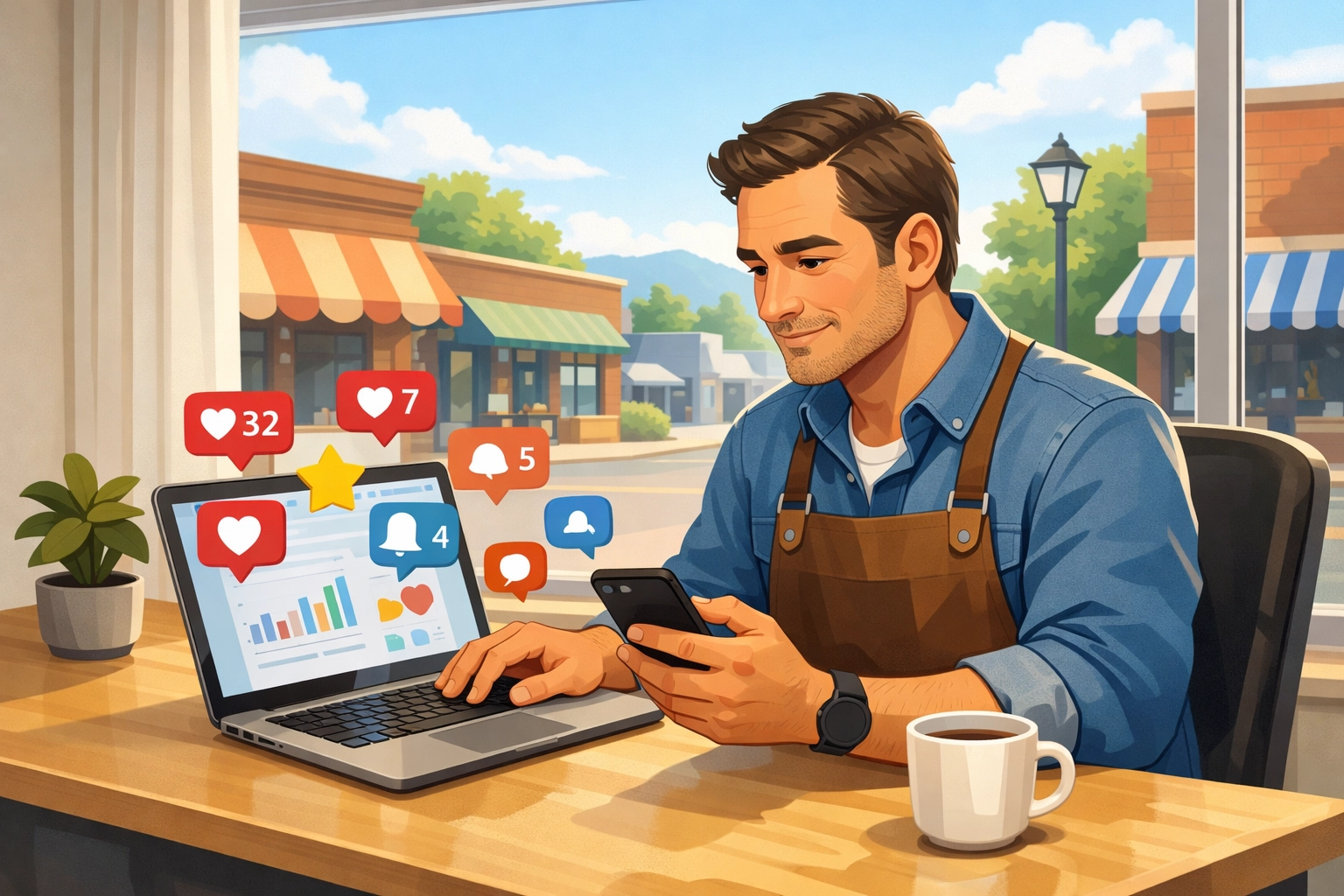
If you have spent any amount of time managing a business page on Facebook or Instagram, you know the dopamine hit that comes with a high-performing post. You see the “likes” climbing, a few fire emojis in the comments, and maybe even a couple of shares. It feels like success. However, when you check your CRM or your appointment book at the end of the week, those numbers haven’t budged.
This is the vanity metric trap. For a local dental practice, an HVAC contractor, or a law firm, a “like” from someone three states away is essentially worthless. To survive in 2026, your social media presence needs to do more than just look pretty; it needs to function as a lead-generation engine.
We need to shift the focus from global reach to local relevance. In this guide, we will explore how to stop chasing hearts and start capturing high-intent leads in your own backyard.
Why Vanity Metrics are the Silent Killer of Local ROI
Many business owners treat social media like a broadcast medium, similar to a digital billboard. They post generic tips or high-gloss stock photos and hope for the best. The problem is that social algorithms prioritize engagement, but not all engagement leads to revenue. If your content is too broad, you might attract a massive audience that has zero intention of ever hiring you.
For local businesses, the goal is “Social Signal” conversion. This means turning a digital interaction into a physical or scheduled action. Whether you are looking for local seo services to bolster your search presence or managing your own socials, the strategy must be rooted in your specific service area.
“Social media for local business is no longer about building a fan base; it’s about building a customer base. The algorithms in 2026 heavily favor ‘local intent,’ meaning businesses that interact within their geographical niche see a 40% higher conversion rate than those targeting broad demographics.” , Digital Marketing Institute, 2025 Local Trends Report.
The High-Intent Platforms: Nextdoor and Facebook Local Groups
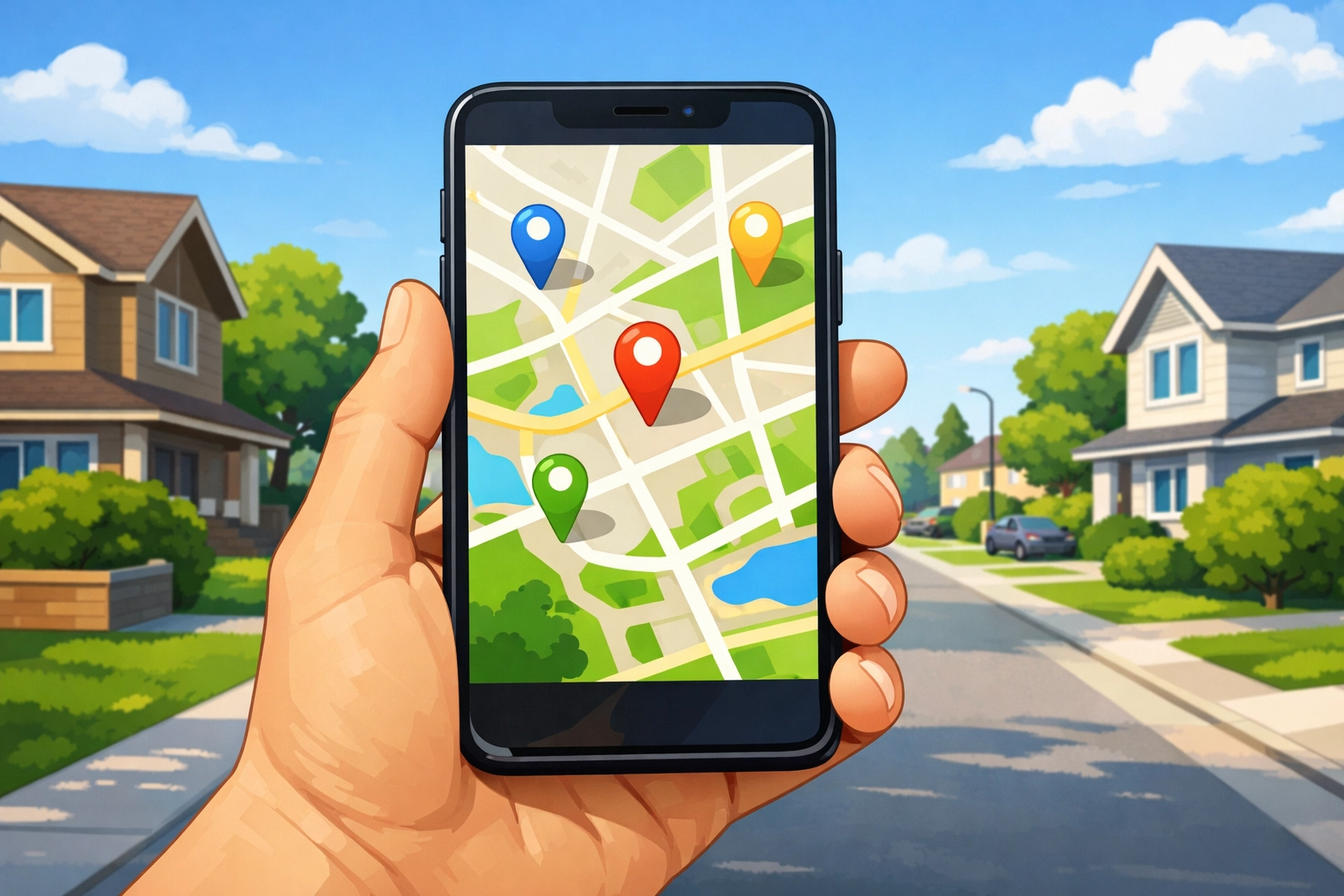
If Facebook is the “town square,” then Facebook Groups and Nextdoor are the “neighborhood kitchen tables.” This is where the real conversations happen. When a homeowner has a pipe burst at 2:00 AM, they don’t go to a brand’s main Facebook page to see their latest “Top 5 Summer Tips” post. They go to their local community group and ask, “Who is an honest plumber near me?”
Dominating Nextdoor
Nextdoor is built on proximity. Unlike Instagram, where your feed is a mix of global influencers, Nextdoor is strictly about what is happening three blocks away.
- Claim your business page: This is the first step in any digital marketing agency for small business strategy. Ensure your NAP (Name, Address, Phone) data is consistent.
- Run Local Deals: Nextdoor allows you to post specific offers to residents within a specific radius. This is a direct-response tactic that bypasses the “fluff” of social media.
- Participate, Don’t Just Pitch: If someone asks for a recommendation for a service you provide, don’t just drop a link. Offer a helpful tip first, then mention you’re nearby and happy to help.
Winning in Facebook Local Groups
Local groups are often heavily moderated. If you spam them with ads, you’ll be kicked out. Instead, position yourself as the neighborhood expert. For a dental practice, this might mean answering a question about emergency tooth repair on a Sunday. By providing value first, you build the “Social Signals” that eventually lead to mastering social signals for long-term growth.
The Currency of Trust: Reviews as Social Content
One of the most powerful things you can do on social media is stop talking about yourself and let your customers do it for you. We often think of reviews as something that lives exclusively on Google Maps or Yelp, but they are highly effective social media content.
The statistics are clear on this. Trust is the primary barrier to conversion for local services.
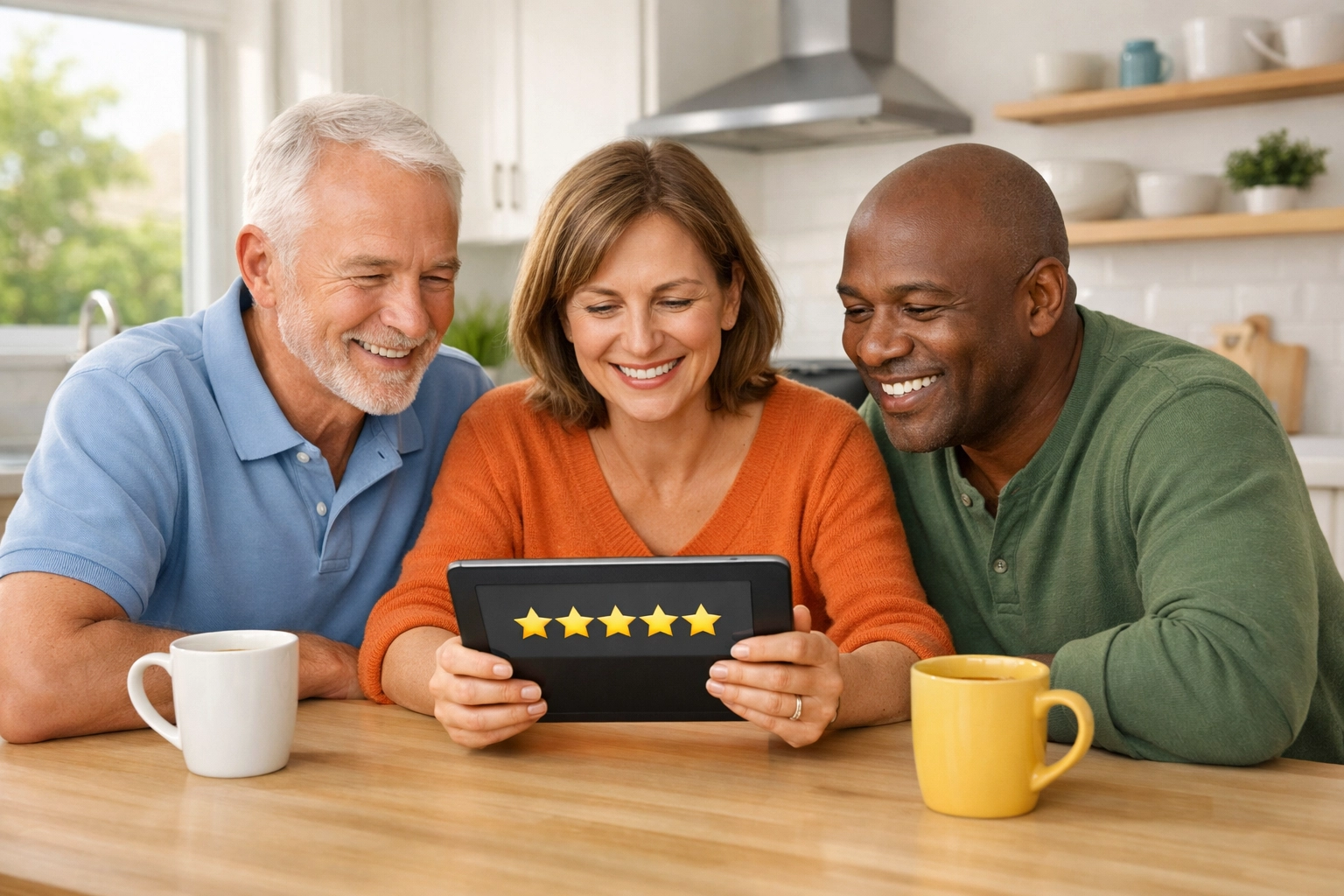
“76% of consumers trust online reviews as much as personal recommendations from friends and family.” , BrightLocal Consumer Review Survey.
This trust is the bedrock of your online presence. You can leverage this by creating “Review Spotlights.” Take a screenshot of a glowing 5-star review, place it over a photo of your team in action, and share it. This bridges the gap between a cold lead and a scheduled appointment. If you’re wondering why Google My Business is essential for local visibility, it’s because those reviews provide the social proof necessary to win on every other platform.
Shifting Your Metrics: What to Track Instead
To move the needle, you need to change your dashboard. Stop looking at followers and start looking at intent-based actions. The following table outlines the difference between vanity metrics and value metrics for a local business.
| Vanity Metric | Why it Fails | Value Metric (The “Needle Mover”) | Why it Wins |
|---|---|---|---|
| Total Followers | Includes bots and people outside your service area. | Service Area Reach | Shows how many local residents actually saw your post. |
| Post Likes | A low-effort click that rarely signals intent. | Direct Messages (DMs) | A high-intent inquiry asking about pricing or availability. |
| Video Views | Can be triggered by 3 seconds of accidental scrolling. | Click-to-Call / Book Now | Direct conversion actions that lead to revenue. |
| General Comments | Often just emojis or “Nice post!” | Referral Tags | When a local tags a friend saying, “You should call them.” |
Tactical Social Strategies for Different Sectors
Each local business sector requires a slightly different flavor of social engagement. Here is how to apply these concepts in practice.
For Construction & Contracting
Contractors live and die by visual proof. However, a “finished” photo isn’t enough anymore. People want to see the process. Use Instagram Stories or Facebook Live to show the “behind the scenes” of a job site. This humanizes the brand and proves you actually do the work. Highlighting your presence in specific neighborhoods can also boost your local backlinking and online presence through tagged locations.
For Dental & Medical Practices
Trust and comfort are the primary drivers here. Use social media to introduce your staff. A video of a dental hygienist explaining how they make “anxious patients feel at ease” is worth a hundred “New Patient Special” graphics. This approach helps in turning social signals into sales by lowering the barrier of fear.
For Professional Services (Lawyers, Accountants)
For these businesses, social media is a platform for authority. Use it to answer “Frequently Asked Questions” in short-form video format. If you can answer a complex legal question in 60 seconds, you have proven your value before the client even walks through the door. This is part of a conversion-first blueprint that focuses on expertise over flashiness.
Leveraging Local Partnerships
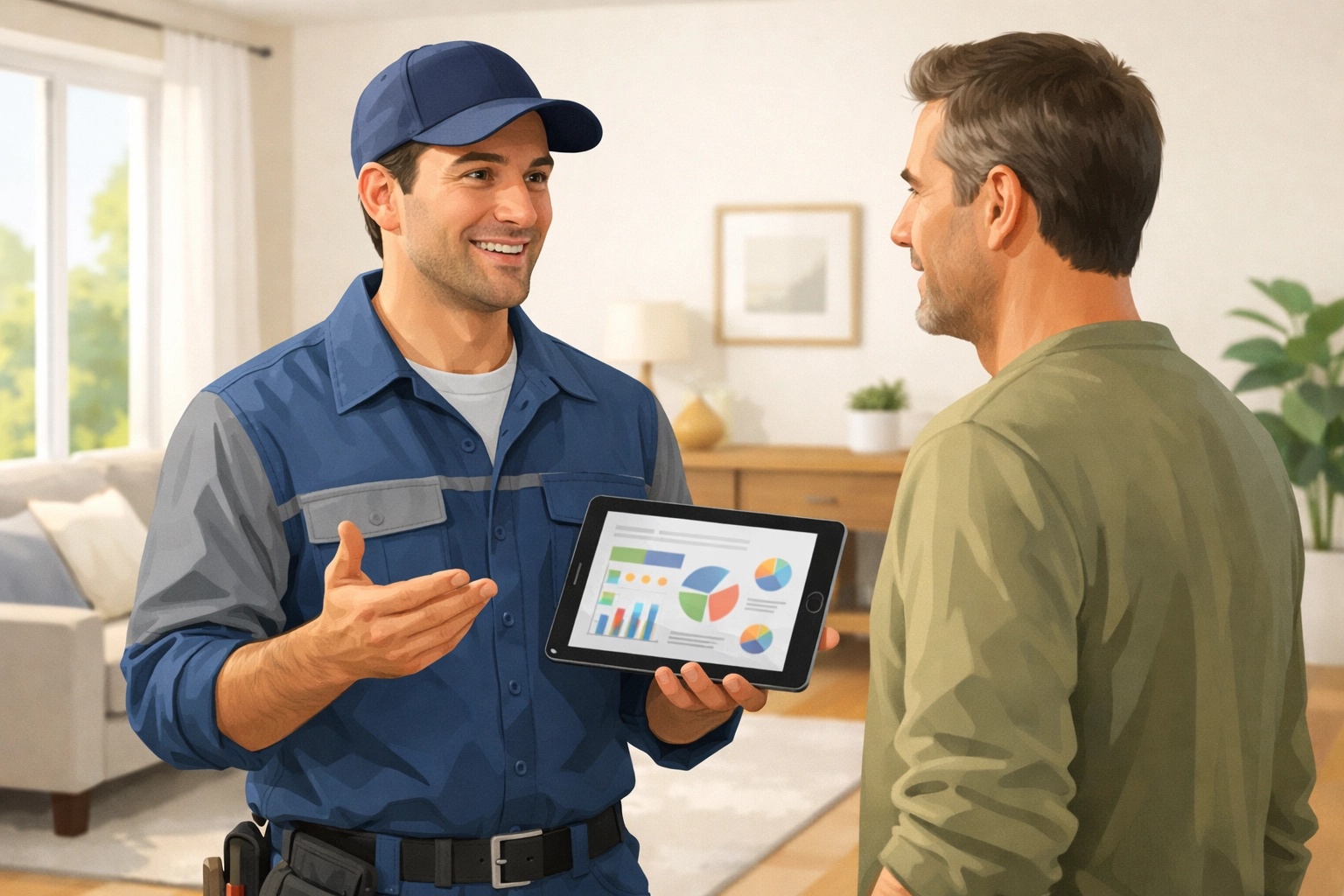
You don’t have to build your audience from scratch. Every town has “Micro-Influencers” who aren’t necessarily Instagram models. They are the local PTA president, the head of the youth soccer league, or the owner of the popular downtown coffee shop.
Partnering with these local figures creates an immediate halo effect of trust. For instance, an HVAC company could partner with a local realtor to provide “New Homeowner Comfort Kits.” Sharing this partnership on social media allows you to tap into the realtor’s established local audience. This is the core of the neighborhood hero strategy, where micro-influencers provide the social proof needed to dominate a service area.
Final Thoughts: The Path to Conversion
Social media in 2026 is about depth, not breadth. By focusing on high-intent platforms like Nextdoor, leveraging the immense power of reviews, and tracking metrics that actually link to your bank account, you can stop shouting into the void.
In practice, this means spending less time worrying about the “perfect grid” and more time engaging with the people who live within a 10-mile radius of your office. That is how you move the needle.
Does my local business really need to be on TikTok?
Not necessarily. If your target audience is homeowners over 40, your time is likely better spent in Facebook Groups or on Nextdoor. However, if you can show “satisfying” videos of your work (like power washing or carpet cleaning), TikTok can help with brand awareness, but it should never replace your local intent platforms.
How often should I post to see results?
Consistency matters more than frequency. Posting three times a week with high-quality, local-centric content is far better than posting every day with generic stock images. Focus on quality interactions over quantity of posts.
How do I handle a negative review shared on social media?
Publicly and professionally. Acknowledge the issue, apologize for the experience, and move the conversation to a private channel (DM or phone call). Seeing a business handle a mistake with grace often builds more trust than a perfect record of 5-star reviews.
Is paid social advertising worth it for local businesses?
Yes, but only if it is hyper-targeted. Use geo-fencing to ensure your ads only appear to people within your service area. Combine this with a strong “Lead Magnet” or a direct booking link to ensure you are getting a return on your ad spend.
Can I automate my social media?
You can automate the scheduling of posts, but you cannot automate the “social” part. You still need a human to respond to comments, answer DMs, and engage in local groups. Automation is a tool for efficiency, not a replacement for community connection.