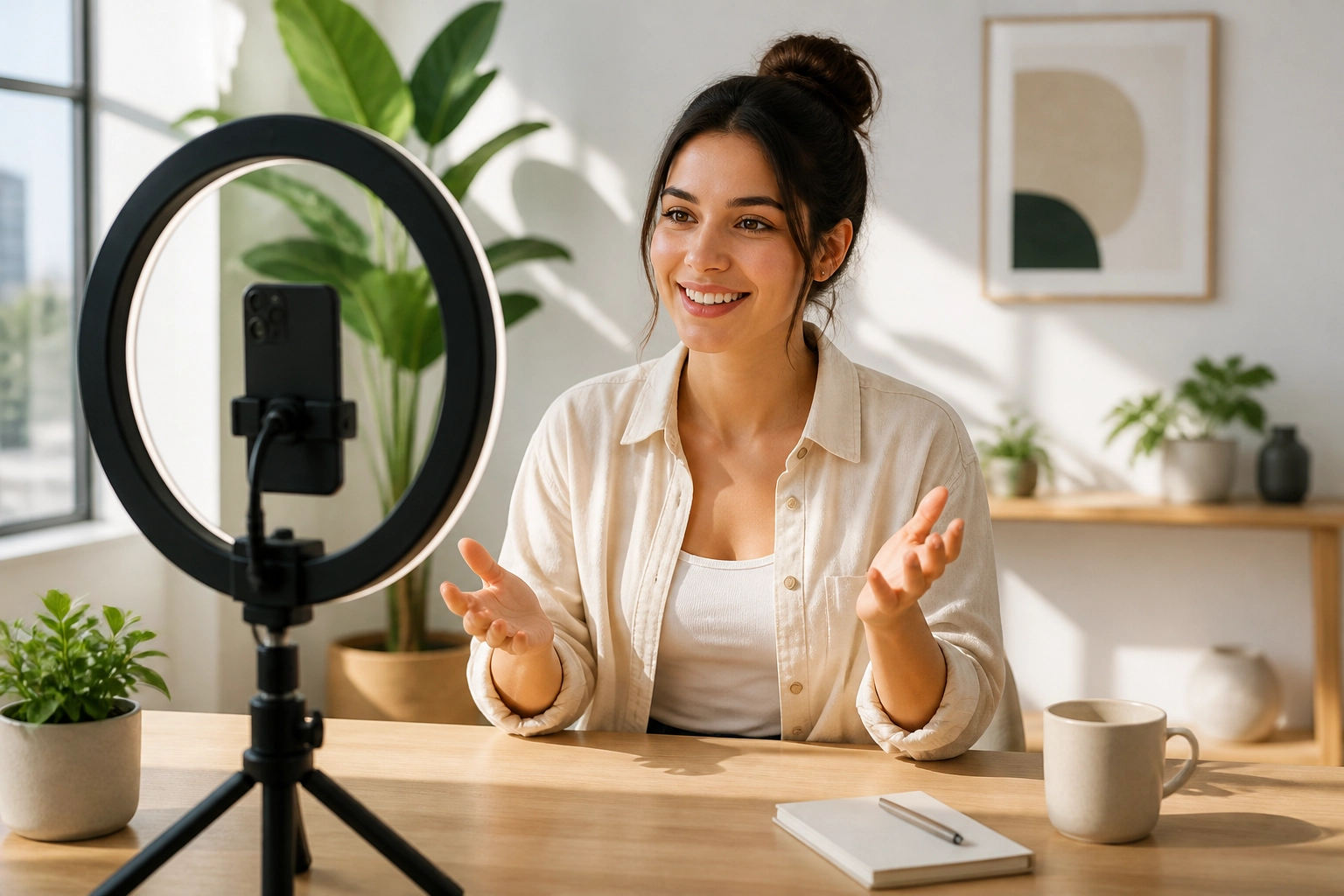
Struggling to stand out in a feed full of “sponsored” banners that everyone scrolls past? You aren’t alone. For years, the standard approach to influencer marketing involved handing a creator a rigid brief, a set of talking points, and a specific “look and feel” that mirrored a television commercial. By the time 2026 arrived, that model didn’t just stop working: it became a liability.
The digital landscape has shifted toward “platform-native” influence. This is a world where the creator’s voice is protected, the platform’s unique algorithm is respected, and the content feels like a natural extension of the user’s feed rather than an interruption. For local businesses and national brands alike, mastering this shift is the difference between a high-ROI campaign and a wasted budget.
What Does “Platform-Native” Influence Really Mean?
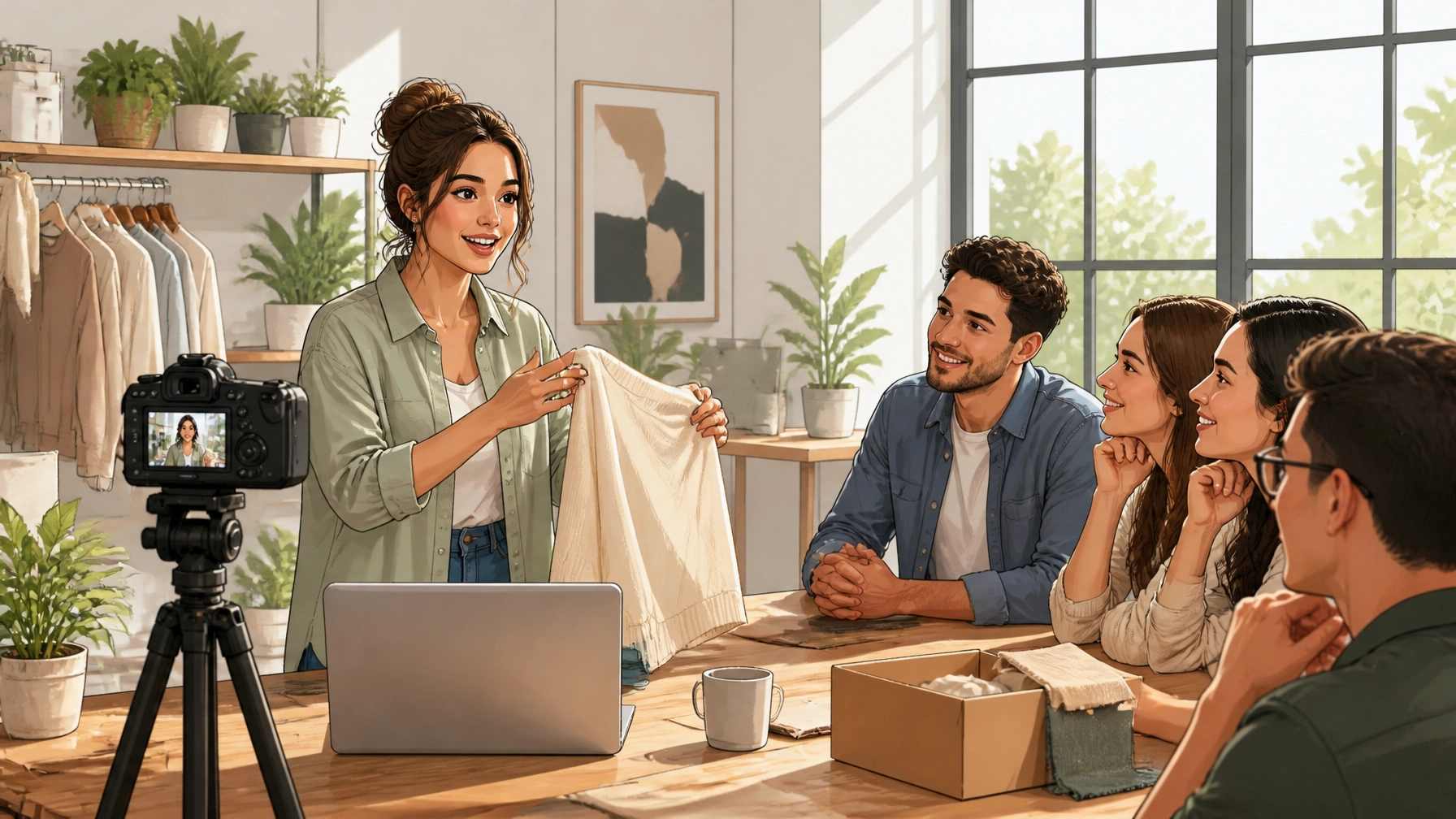
At its core, platform-native content is material created specifically for the culture and mechanics of a specific digital space. It isn’t a horizontal video chopped up to fit a vertical screen; it’s a story told using the language of the platform.
When we talk about the future of influence, we’re moving away from “interruption marketing” and toward “integrated storytelling.” A platform-native post uses the trending audio, the specific editing transitions, and the informal tone that the audience already trusts. If a viewer can’t tell the difference between your brand’s sponsored post and a creator’s organic content until they see the small “Paid Partnership” tag, you’ve succeeded.
This approach acknowledges a simple truth: creators understand their audience better than your internal marketing team does. By leaning into their native style, you tap into the hard-earned trust they’ve built with their community.
Why the Traditional Campaign Brief is Failing Your Brand
In the past, brands used “the brief” to control every variable. You wanted specific lighting, a specific background, and a script that sounded like a brochure. In practice, this level of control kills the very thing you’re paying for: the creator’s authenticity.
Digital attention in 2026 is a finite resource. Users have developed a “sixth sense” for staged, overly polished content. When a creator sounds like they are reading from a script, the audience’s brain immediately switches to “skip” mode. That said, the move toward native content doesn’t mean you lose all control. Instead, it shifts the focus from dictating the message to collaborating on the delivery.
| Feature | Traditional Influencer Marketing | Platform-Native Influence |
|---|---|---|
| Content Origin | Brand-led script and visual requirements | Creator-led narrative and native editing |
| Visual Style | Highly polished, studio-quality, generic | Raw, “Lo-fi,” platform-specific aesthetics |
| Primary Goal | Direct sales pitch or awareness | Community trust and long-term affinity |
| Algorithm Fit | Often ignored (standardized across platforms) | Optimized for specific platform signals |
| Longevity | One-off “spike” in visibility | Sustained engagement through native reach |
The Power of the “Relatability” Metric
As we move deeper into the 2026 landscape, the most valuable currency isn’t follower count: it’s relatability. This is especially true for local service-based businesses. Whether you are a chiropractor or a home remodeling contractor, your customers want to know that you are a real person who understands their community.
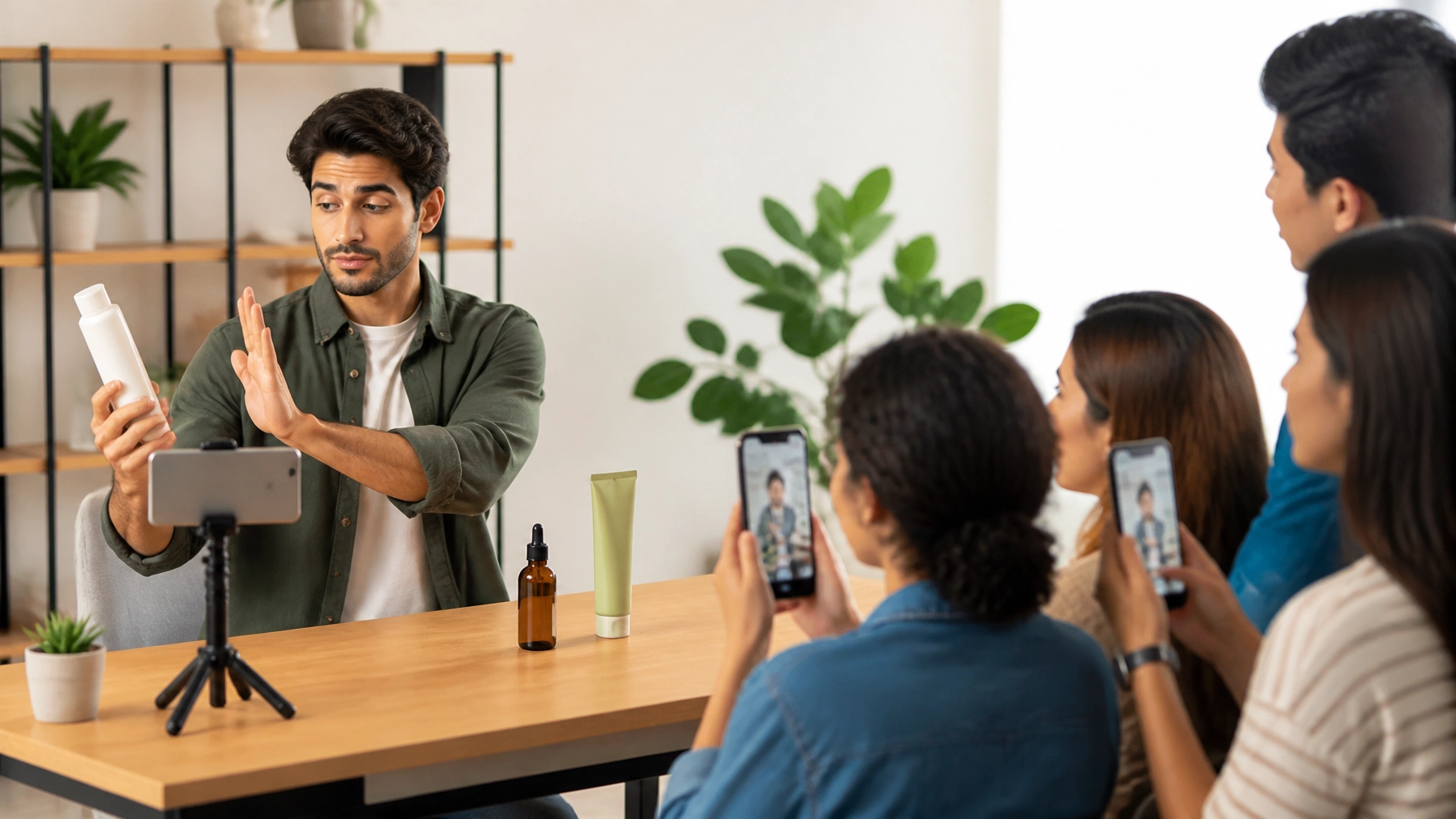
“The shift from ‘influence’ to ‘impact’ is driven by the audience’s demand for raw transparency. In 2025, we saw a 40% increase in conversion rates for campaigns that allowed creators to critique or ‘stress test’ a product in their own voice, compared to standard lifestyle placements.” : Digital Marketing Insights Report 2025
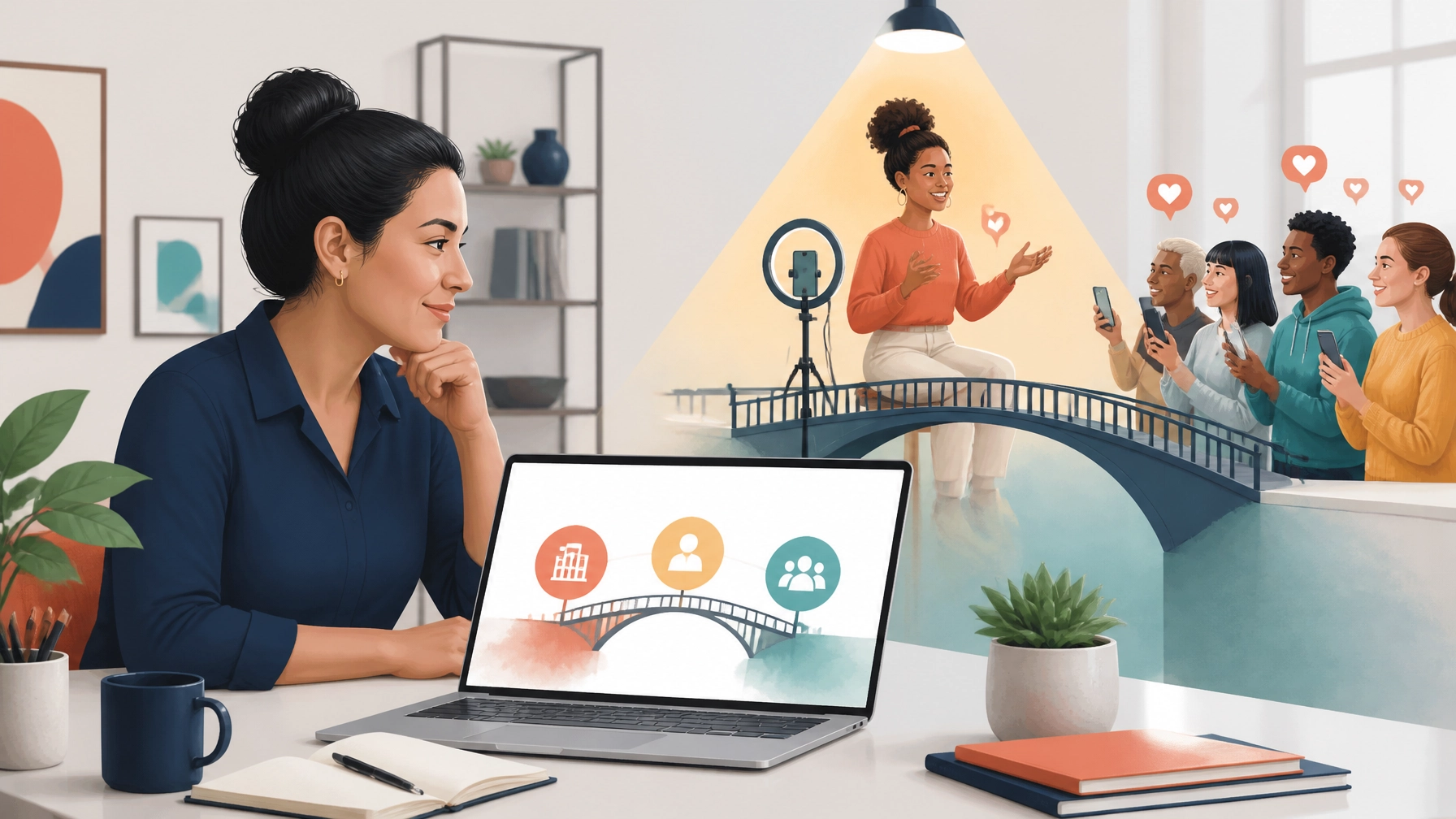
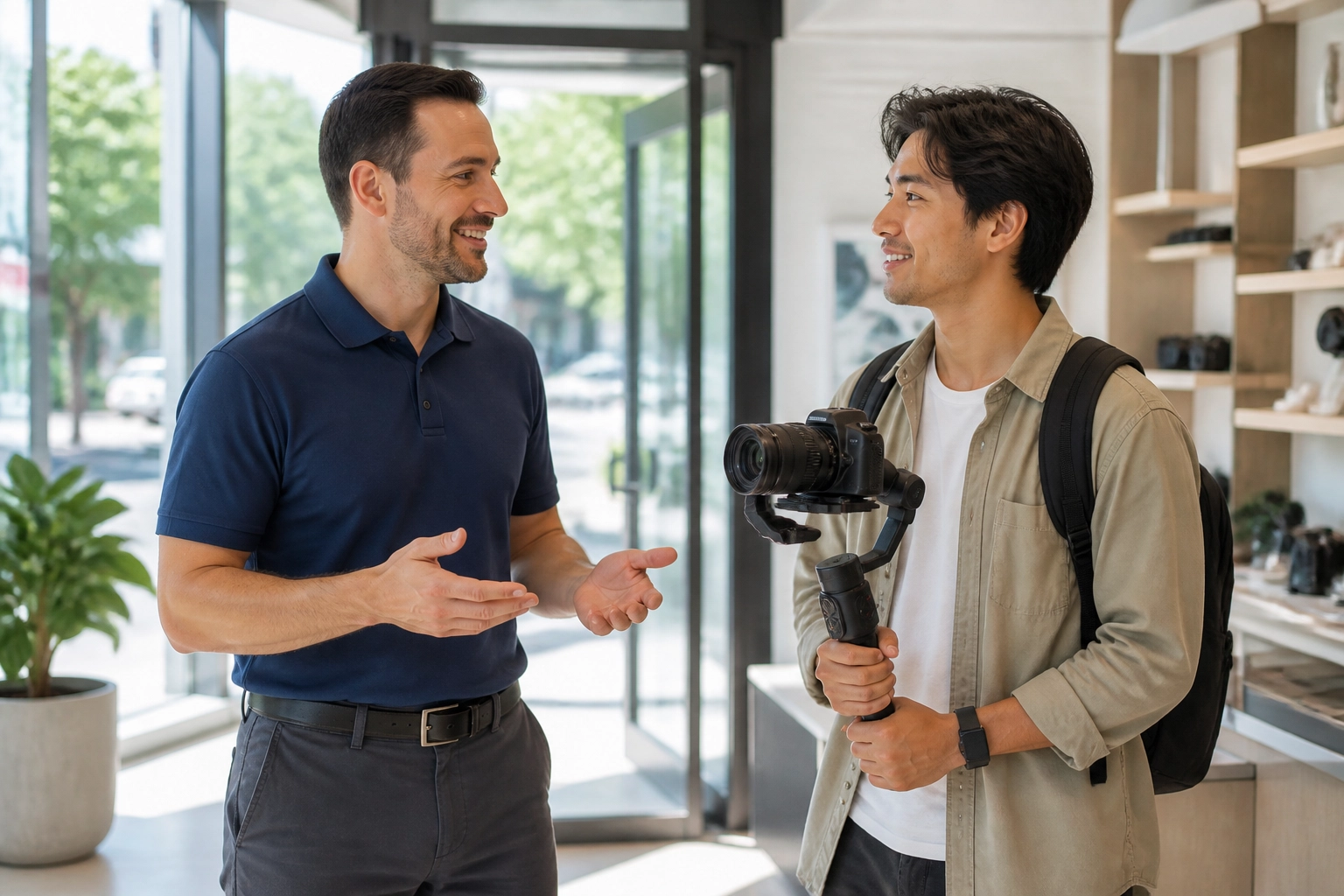
This level of transparency builds a bridge of trust. When a local influencer tours your clinic or shows a “day in the life” at your job site, they aren’t just showing your services. They are providing a social proof signal that is far more powerful than a five-star review on its own. They are making your business a part of the local digital conversation.
How Local Service Businesses Can Leverage Native Influence
You might think influencer marketing is only for eCommerce brands or fashion labels, but the micro-influencer revolution has made it a powerhouse for local services. Imagine a local home-decor influencer documenting their experience with your painting company.
Because their audience is geographically concentrated, every view is a potential lead. Instead of a generic ad, the influencer can use platform-native tools: like TikTok’s “Reply with Video” or Instagram’s “Add Yours” stickers: to engage directly with neighbors who have questions about your service. This is where social search becomes the new SEO, as these native interactions help you rank higher when locals search for services in their area.
Social Commerce: Turning Views into Service Bookings
One of the biggest shifts in the last year is the integration of platform-native booking and shopping tools. In 2026, a user doesn’t need to leave the app to interact with your business. For a dentist or a lawyer, this might mean a “Book Now” button integrated directly into an influencer’s video about their recent visit.
Here is why this matters: every click you remove from the customer journey increases your conversion rate. When a creator shares a native “transformation” story about your work, and the viewer can instantly tap to see your availability, you capture the peak of their interest. You aren’t just building a brand; you are building a high-velocity sales engine.
Measuring Success Beyond the Like Button
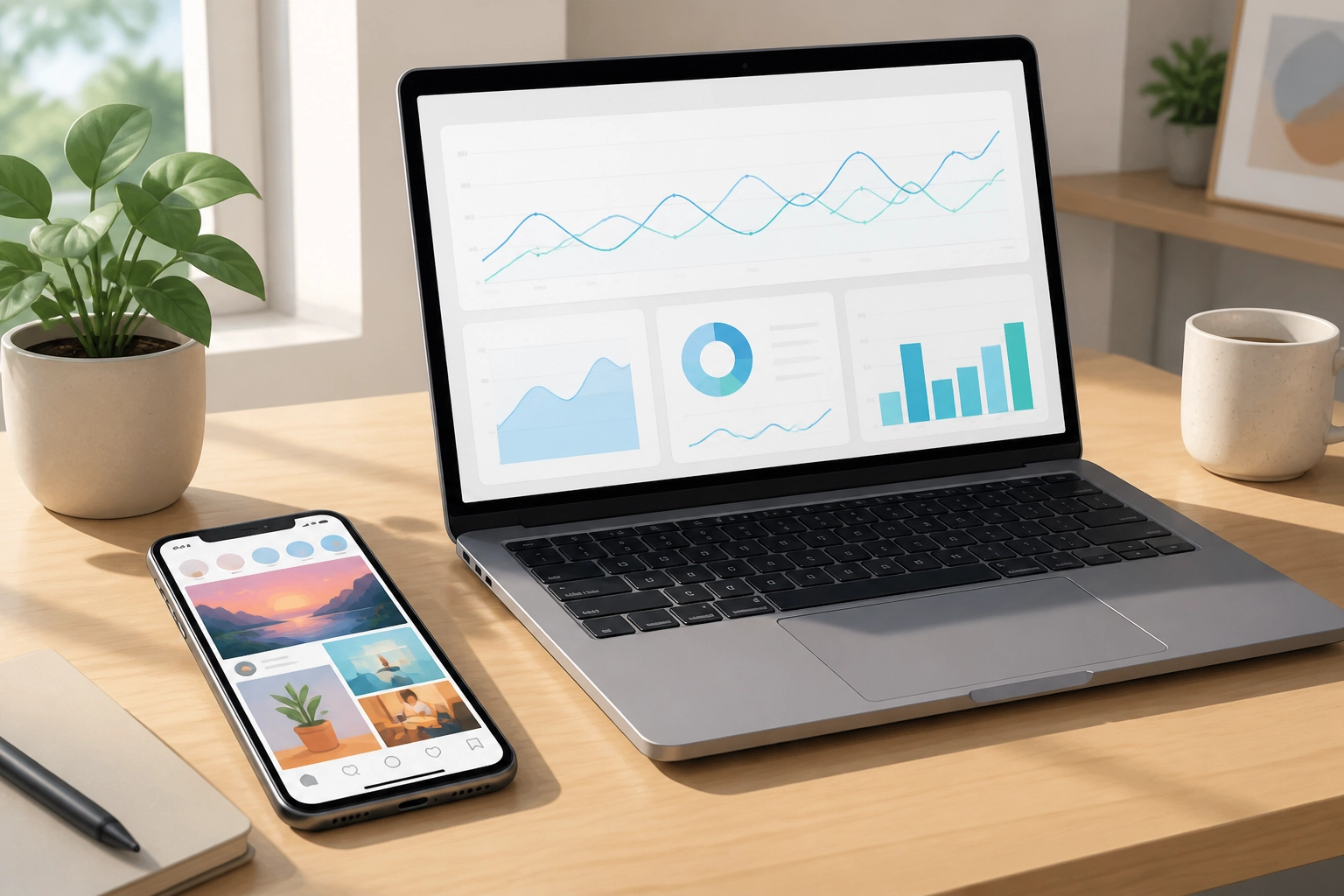
If you are still measuring your influencer campaigns by “likes” and “comments,” you are missing the bigger picture. Platform-native campaigns require a more sophisticated approach to predictive insights and analytics.
Modern success metrics focus on:
- Save Rate: How many users saved the content for future reference? (High for service businesses).
- Share-to-DM: Is the content being shared privately between friends and family?
- Search Lift: Did searches for your business name increase on the platform and Google during the campaign?
- Local Intent Signals: Are users interacting with the “Location” tag in the creator’s post?
By focusing on these deeper signals, you can ensure that your marketing spend is actually moving the needle for your revenue, not just your ego.
Preparing for the 2026 Influence Landscape
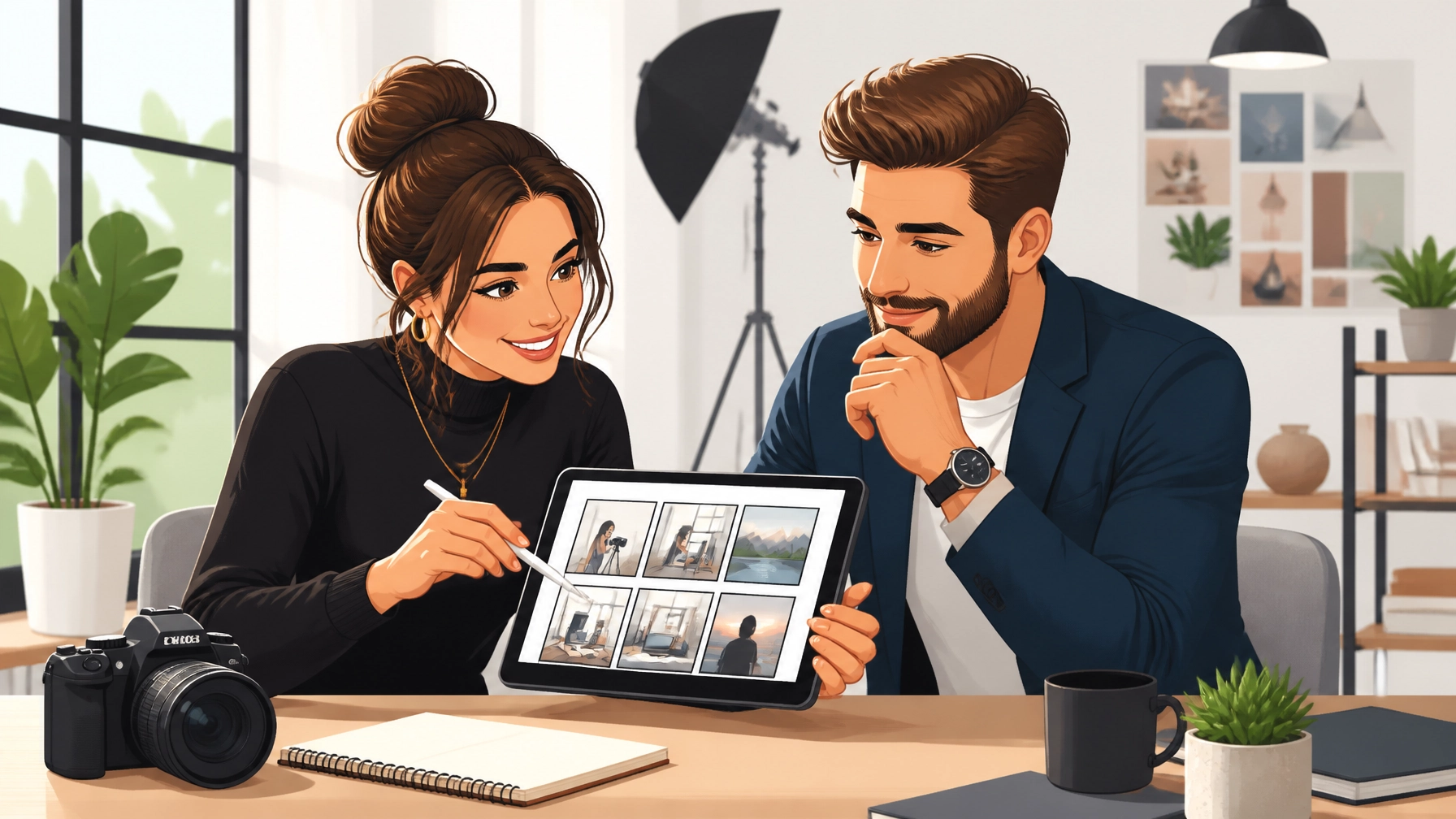
As we look toward the future, the “brief” will likely evolve into a “partnership guide.” Instead of a list of “do’s and don’ts,” it will be a set of goals and brand values that the creator is invited to interpret.
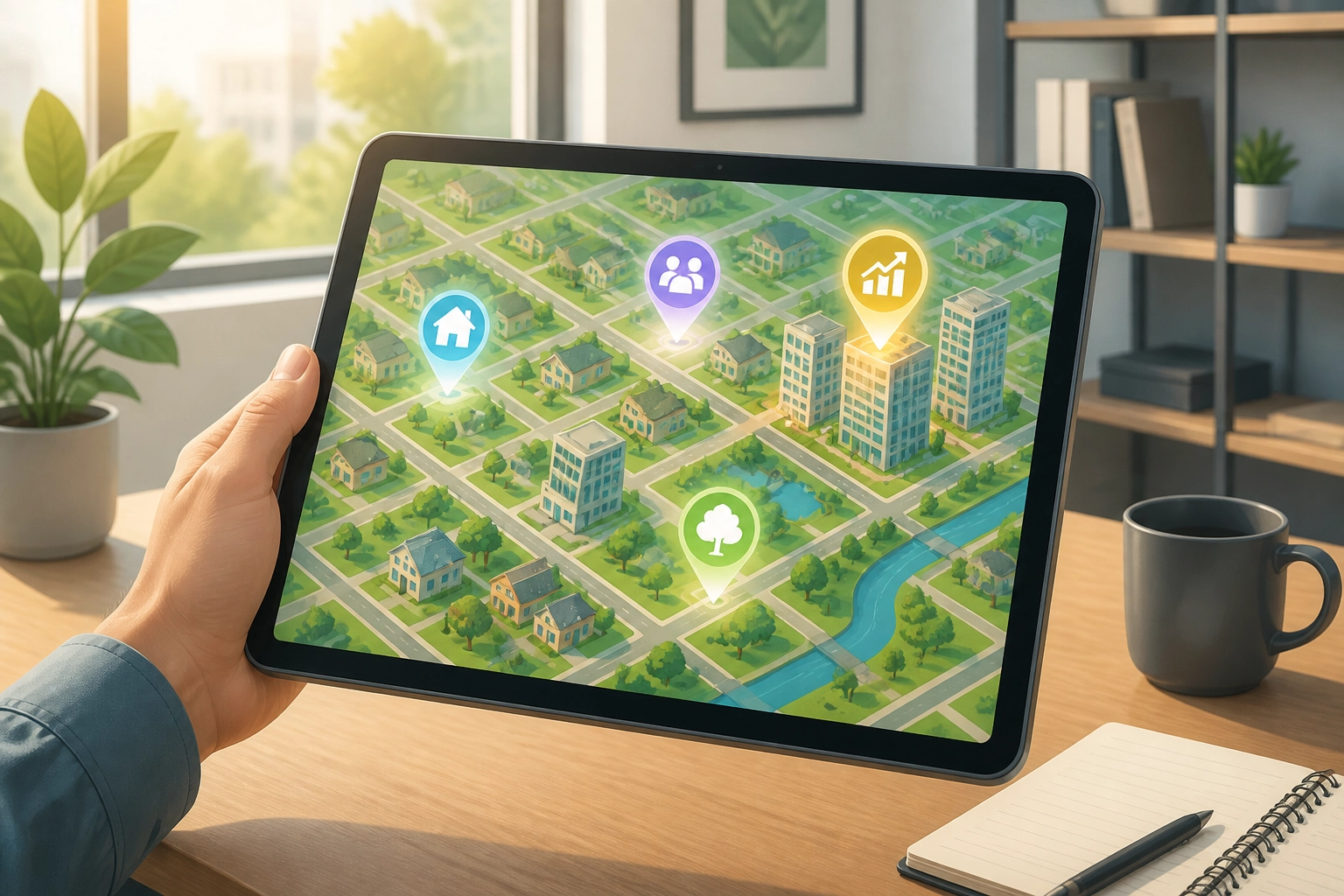
To stay ahead, you’ll need to move your focus from national celebrities to local community leaders. These are the people who own the digital attention of your specific neighborhood. By partnering with them to create native, authentic content, you’ll ensure that your business remains the first choice for your community.
The era of the “unskippable ad” is over. The era of the “native partner” has begun. Are you ready to stop interrupting the conversation and start being a part of it?
Does my local business really need to hire an influencer?
It depends on your goals. While “hiring an influencer” sounds like a big-ticket item, for many local businesses, it simply means partnering with a local community leader or a micro-influencer whose followers live in your service area. This can often be done for a fraction of the cost of traditional advertising while yielding higher trust and better lead quality.
How do I find creators who are “platform-native” in my area?
Look at who is already talking about local businesses in your city. Check local hashtags and geotags on platforms like TikTok and Instagram. Pay attention to creators whose content feels like a natural part of the local feed rather than a series of advertisements. You want someone who has high engagement (comments and shares) rather than just a high follower count.
What is the most important thing to include in a modern campaign guide?
Focus on your “Non-Negotiables” rather than your “How-To’s.” Tell the creator what your brand stands for and what the main goal of the campaign is (e.g., “We want to show how easy it is to book a consultation”). Then, give them the creative freedom to show that in a way that resonates with their specific audience.
How long does it take to see results from native influencer marketing?
Unlike a “pay-per-click” ad that can drive traffic instantly, native influencer marketing is about building sustained authority. While you may see a spike in leads immediately after a post, the real value comes from the long-term trust and the “evergreen” nature of social content. Often, a post can continue to show up in social search results months after it was originally posted.